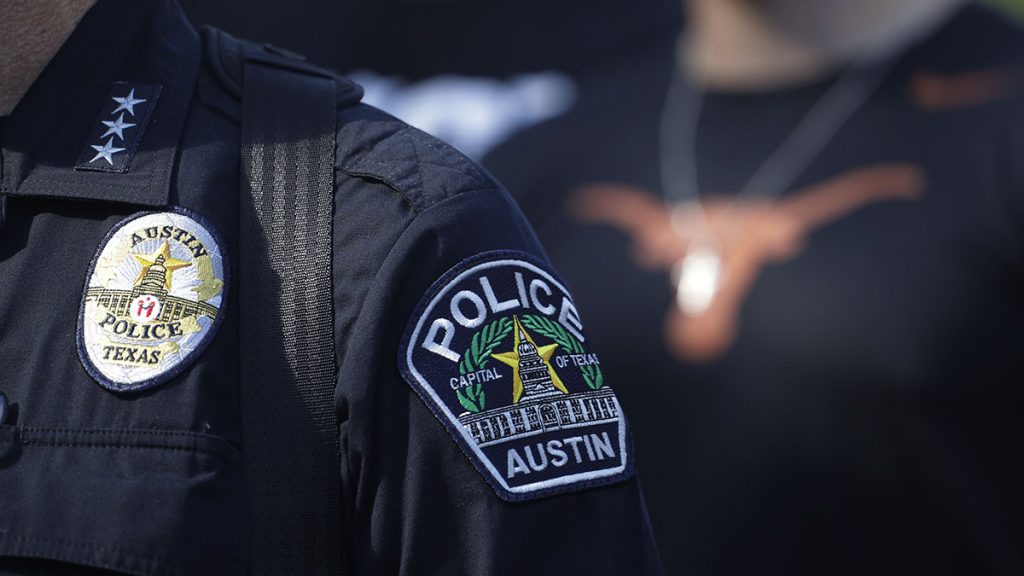
Two people were in custody and a third suspect was being sought after at least 10 random weekend shootings in Austin, Texas, including attacks on fire stations that left four people injured, city officials said Sunday. The incidents unfolded across multiple neighborhoods and prompted a large, ongoing law enforcement response. This article lays out what is known about the arrests, the search for the remaining suspect, and the immediate impact on emergency services and the community.
The initial details are stark and unsettling: multiple shootings over a single weekend, several of them aimed at or occurring near fire stations. That pattern raised fresh worries about public safety and the protection of first responders, and it forced city agencies to coordinate quickly. Officials confirmed the count of at least 10 separate shootings and the report of four people hurt, keeping the situation active and evolving.
Two individuals were taken into custody as part of the response, while authorities continued looking for a third person they believe may still be involved. Arrests in cases involving multiple scenes usually lead to a careful piece-by-piece reconstruction of events, with investigators poring over surveillance, witness accounts, and physical evidence. That kind of methodical work can take time, and the public often has to wait for formal charges and details to be released.
The fact that fire stations were among the locations struck adds a painful twist to these events. Hitting buildings tied to emergency response not only endangers workers and visitors but can also strain response capacity for unrelated calls. For communities that rely on quick EMS and fire service, any attack on those facilities triggers operational concerns long after the headlines fade.
Emergency responders and city officials scrambled to assess any damage and to make sure personnel and equipment were safe and available. In incidents like this, departments typically review shift coverage, radios, and station security to minimize disruptions. That sort of internal review isn’t glamorous but it’s the practical, necessary follow-up when infrastructure and staff safety are implicated.
For residents of the neighborhoods affected, the immediate reaction was a mix of alarm and frustration. People do not expect to be caught in a wave of violence that feels random and wide-ranging, and the aftermath can leave lasting unease. Community leaders and neighbors often respond with increased communication, neighborhood watches, and calls for clear information from law enforcement so people know how to protect themselves without panicking.
Investigators tend to rely on a combination of forensic work and community tips to tie together incidents that happen across a city. Ballistics comparison, timestamps from cameras, and statements from witnesses all feed into a bigger picture. Even when arrests are made quickly, proving who did what at which scene is a separate and careful legal process that follows evidence, not speculation.
The weekend’s violence also puts pressure on city leaders to explain how they will prevent a repeat and to reassure people that public safety is a priority. That conversation usually involves short-term operational changes and longer-term discussions about resources, intelligence sharing, and community policing strategies. For now, the immediate concern remains finding the person still at large and making sure anyone harmed gets the care they need.
As the probe continues, officials and residents alike will be watching how charges are filed and whether the evidence supports moving any arrests from custody to prosecution. Until then, authorities encourage anyone with information to come forward to assist in closing this chapter. The focus is on bringing the investigation to a clear conclusion while stabilizing services and restoring calm to the neighborhoods affected.