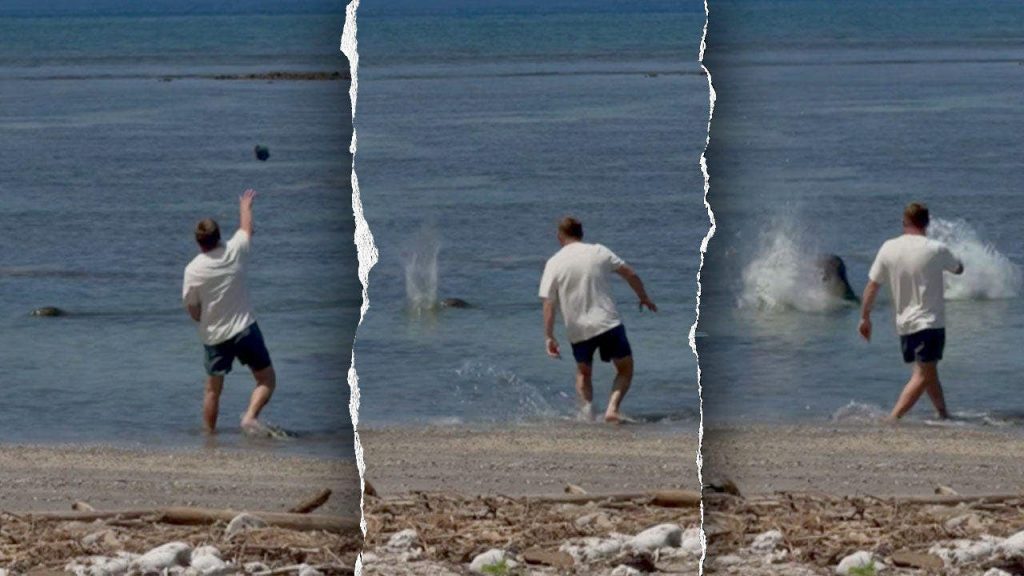
An incident in Maui involving Igor Mykhaylovych Lytvynchuk and an endangered Hawaiian monk seal has drawn national attention after bystanders filmed a man throwing a rock at the marine mammal on a shoreline. Lytvynchuk, who lives in Covington, Washington and runs a logistics company in Kent, was arrested near Seattle and is now facing charges under the Endangered Species Act and the Marine Mammal Protection Act. His attorney, Myles Breiner, says Lytvynchuk did not intend to hurt the animal and offers a different account of what happened on that Maui beach.
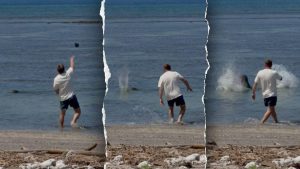
Video of the encounter shows a man in a white shirt and swim trunks on a Maui shoreline tossing a rock in the direction of a resting monk seal as witnesses shout questions and protests. One bystander’s voice captured on the clip asks, “What are you doing? Why would you throw a rock at it? Hello?” The footage and statements from people who saw the scene helped prompt a federal response.
Federal prosecutors have charged Lytvynchuk with harassing and attempting to harass an endangered animal, violations that fall under both the Endangered Species Act and the Marine Mammal Protection Act. Those statutes carry potential penalties that include up to one year in prison for each charge, plus fines that can reach $50,000 under the Endangered Species Act and up to $20,000 under the Marine Mammal Protection Act. The charges reflect the seriousness with which authorities treat harm or attempted harm to protected species.
The arrest took place near Seattle, where agents detained Lytvynchuk last week and lodged the federal complaint. Law enforcement officials say the decision to charge him was supported by the video and by witness statements collected at the scene in Maui. The case now moves through the federal system, where prosecutors will present evidence and the defense will respond.
Myles Breiner, representing Lytvynchuk, has been public about his client’s version of events and his state of mind that day on the beach. “I want to be resoundingly clear to the public — he never intended to injure the monk seal,” Breiner said in a televised interview, asserting his client’s lack of malicious intent. The attorney told reporters his client believed he was protecting sea turtles, known locally as honu, that he thought were being threatened by the seal.
Breiner explained that Lytvynchuk saw turtles resting on rocks and thought the seal had already displaced one of them. “He wanted to scare the seal away from the honu he saw there,” he said. That explanation frames the act as misguided interference rather than intentional cruelty, and it is central to the defense’s argument about intent.
The attorney also offered context about Lytvynchuk’s experiences with marine animals while fishing in Washington state, drawing a distinction between monk seals and more aggressive species like sea lions. “Sea lions are very aggressive,” Breiner said. “They’ll take your bait, they’ll take your fish — that’s been his experience.”
Witnesses at the scene reported that Lytvynchuk told them he was “rich enough to pay the fines,” a remark cited in the complaint and widely reported afterward. Breiner pushes back on that characterization and says the remark was misunderstood. “That was a misinterpretation,” Breiner said. “The statement was, ‘I can afford it.’”
Business records indicate Lytvynchuk is connected to a logistics and trucking firm based in Kent, Washington, which explains some of the attention the case has drawn beyond Hawaii. The combination of a viral clip and a public figure with business ties outside the islands intensified scrutiny and media coverage. Still, the legal focus remains on the charged actions and whether they meet the standards for the federal offenses alleged.
Prosecutors will need to show beyond a reasonable doubt that Lytvynchuk intentionally harassed or attempted to harass an endangered animal, while the defense will emphasize a lack of intent to harm and competing interpretations of what the defendant saw and believed that day. If convicted, the statutory penalties are clear; if not, the case could highlight challenging questions about how visitors and locals interact with protected wildlife. Either way, the incident has sparked renewed discussion about how to balance human activity and wildlife protection on fragile shorelines.