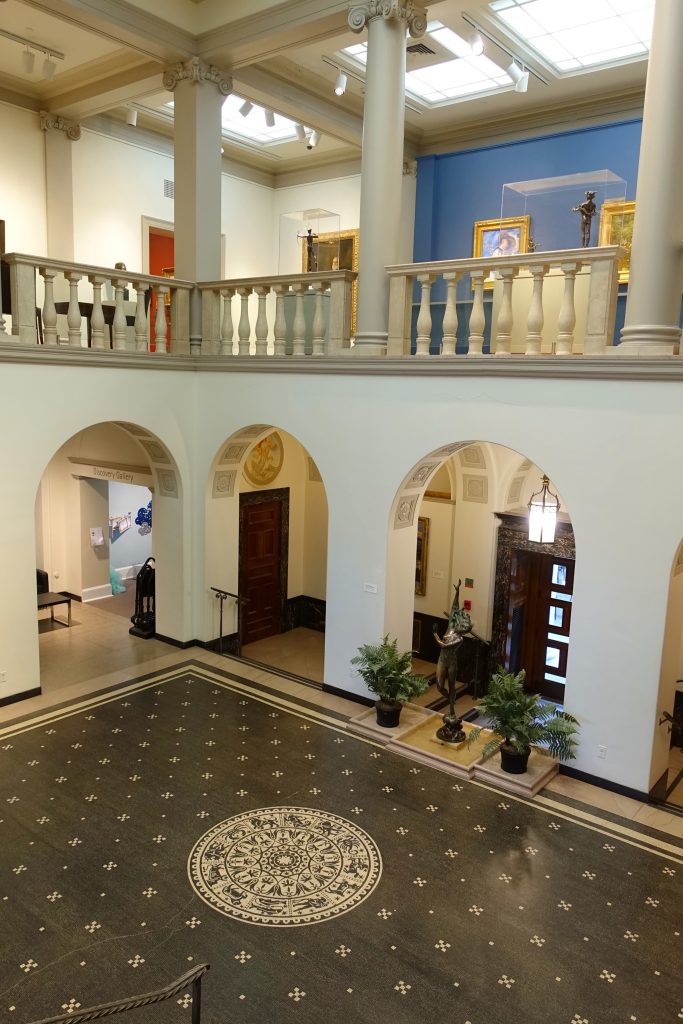
There is a moment, maybe thirty seconds after you walk through the front doors of the Currier Museum of Art on Tremont Street, when you realize this place is something genuinely special. The light is perfect. The galleries are unhurried. And somewhere in the back of your mind, you start doing the mental math on how long you can stay before anyone notices you have gone quiet and content.
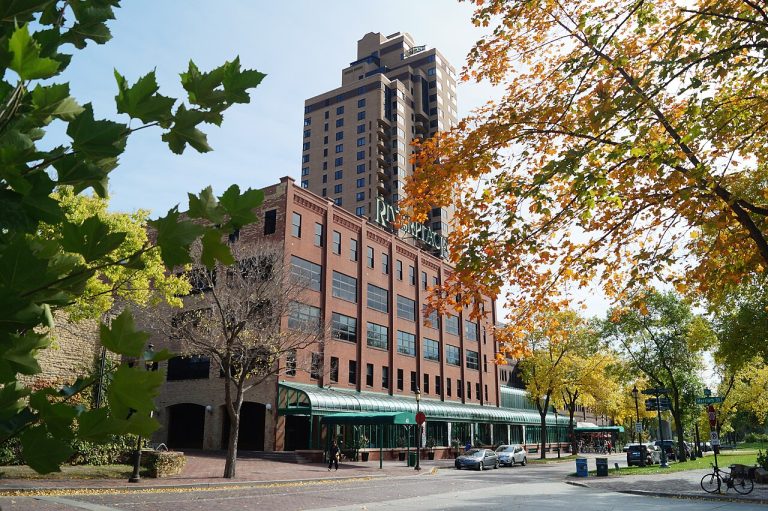
The Currier sits in Manchester’s residential West Side neighborhood, tucked behind a handsome facade that gives nothing away from the street. That understatement is part of its charm. Founded in 1929, this is not a museum that shouts. It doesn’t need to. Inside, the permanent collection spans more than thirteen thousand objects — European masters, American modernists, decorative arts, furniture, glass, and photography — all presented with a curatorial confidence that bigger institutions sometimes lose in the scramble for blockbuster traffic.
On any given weekday afternoon, you might linger in front of a Monet, then turn a corner and find yourself face to face with a striking Georgia O’Keeffe. The New Hampshire collection is genuinely moving — works by regional artists that document the landscape and working life of northern New England with an intimacy that feels earned rather than sentimental. You can spend an hour in these rooms and walk out feeling like you actually learned something about the place you’re visiting.
The Frank Lloyd Wright Zimmermann House is one of the museum’s crown jewels, and it deserves its own paragraph. Built in 1950 and donated to the Currier in 1988, it is one of only a handful of Wright-designed Usonian homes open to the public, and the only one in New England. Guided tours run regularly and book up fast, so reserve your spot online before you arrive. Walking through those low ceilings and organic built-ins, surrounded by the furniture and garden Wright designed specifically for this house, is about as close as you can get to stepping inside an architectural idea.
The café is relaxed and good, the kind of place where it feels entirely natural to linger over a sandwich and flip through the exhibition catalog you definitely just bought in the gift shop. Admission is reasonable — free for children under eighteen — and the museum regularly hosts evening events, family programs, and rotating temporary exhibitions that give you a reason to come back in every season.
Manchester doesn’t always get credit as a cultural destination, and that’s a shame. But the Currier is proof that serious, rewarding art doesn’t require a trip to Boston. Pack your comfortable shoes, give yourself two or three hours, and let this museum surprise you.