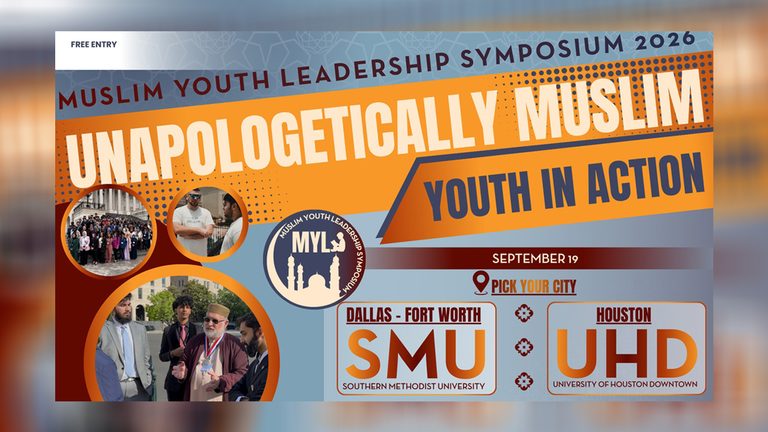
Southern Methodist University (SMU) in Dallas has officially barred a Muslim youth leadership symposium from taking place on its campus. The event, promoted by the Council on American‑Islamic Relations Texas chapter (CAIR‑Texas) and titled “Unapologetically Muslim: Youth in Action,” was slated for September 19 but will now be relocated after the university reviewed the state’s recent designation of the organizer.
University cites state designation
In a statement to The Dallas Express, SMU said the symposium was unaffiliated with the university and that allowing it on campus would conflict with SMU’s mission and policies. The university specifically referenced the “current designation of the symposium’s organizer” by the State of Texas, indicating that the designation made the event inconsistent with its values.
“SMU welcomes a wide range of organizations and perspectives as part of our commitment to open inquiry and the free exchange of ideas,” the statement read. “After reviewing plans for an upcoming unaffiliated youth leadership symposium advertised to take place at SMU, the University has determined that permitting the event to take place on campus, given the State of Texas’ current designation of the symposium’s organizer, is inconsistent with our mission and related University policies. As a result, the event will not take place on campus.”
What the symposium entailed
CAIR‑Texas describes the youth symposium as a program for high‑school students and rising college freshmen and sophomores focused on leadership and civic engagement. According to the organization, participants would hear from community leaders, engage in workshops, and learn how to become more involved in issues affecting their communities. Promotional material listed “mock testimony,” “interactive sessions,” and “powermapping” among the planned activities.
The graphic for the event prominently displayed SMU’s name as the Dallas‑Fort Worth location and also listed the University of Houston‑Downtown as a secondary venue. Neither university confirmed sponsorship or endorsement of the symposium.
State‑level actions provide context
The university’s decision follows Governor Greg Abbott’s November 18, 2025 proclamation designating the national Council on American‑Islamic Relations (CAIR) and the Muslim Brotherhood as foreign terrorist organizations under the Texas Penal Code and as transnational criminal organizations under the Texas Property Code. While the proclamation names the national CAIR organization, it also applies to affiliates and members, creating legal ambiguity for state chapters such as CAIR‑Texas.
Attorney General Ken Paxton has pursued related litigation, arguing that the CAIR entities named in the governor’s proclamation are distinct legal entities from the Texas chapters challenging the designation. Paxton’s February 5, 2026 lawsuit seeks to halt operations of the Muslim Brotherhood, CAIR, and related entities in Austin, Houston, and Dallas‑Fort Worth.
Local impact and response
SMU’s action underscores the heightened scrutiny Texas officials have placed on CAIR‑linked events. Earlier in 2026, Paxton demanded records from Cypress‑Fairbanks ISD and Grapevine‑Colleyville ISD while investigating proposed Islamic Games events that referenced CAIR chapters. Grapevine‑Colleyville ISD subsequently halted negotiations for an Islamic Games event after learning of a CAIR connection.
CAIR‑Texas has not responded to requests for comment on SMU’s decision. The organization labeled Paxton’s lawsuit a “frivolous, politically motivated anti‑Muslim publicity stunt” and affirmed its intent to continue its work in Texas.
What’s next?
With the campus venue no longer available, CAIR‑Texas will need to identify an alternative location for the youth symposium. The university’s statement makes clear that the decision was based on policy consistency rather than a judgment of the event’s content.
SMU’s stance reflects a broader trend of institutions weighing state designations against commitments to open inquiry. As the legal battles over CAIR’s status continue, local organizations and universities may face similar decisions in the months ahead.
Original reporting: WBAP News/Talk (Dallas-Fort Worth) — read the source article.