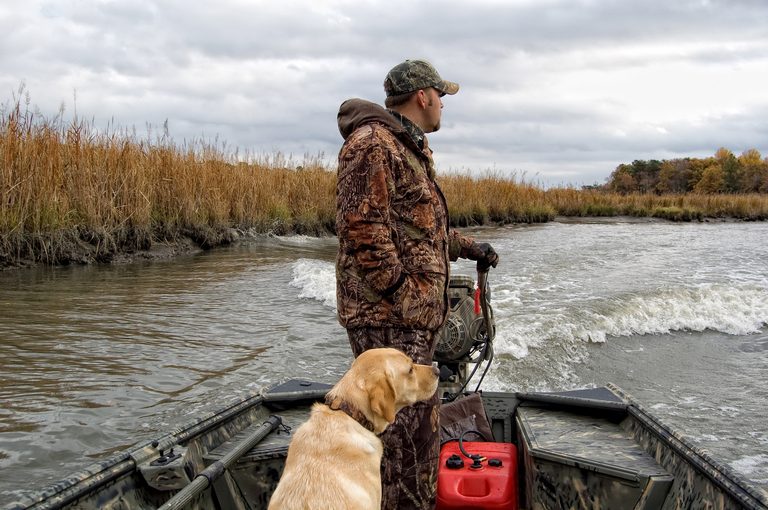
While Colorado voters turned down Proposition 83 on Nov. 3, which would have enshrined hunting and fishing as constitutional rights, Montana residents have enjoyed that protection for nearly two decades. In 2004, more than 80 percent of Montanans voted to amend the state constitution, creating Article IX, Section 7, which affirms the right to harvest wild fish and game as part of the state’s natural heritage.
What Montana’s Amendment Guarantees
The Montana provision does not eliminate existing regulations. Hunters and anglers still must obtain licenses, follow season dates, respect private property, and abide by designated harvest limits. What the amendment does is embed the tradition of harvesting wild animals into the state’s highest legal document, ensuring future generations can continue the practice.
Why Colorado Considered a Similar Amendment
The Colorado proposal emerged after a 2019 controversy in which animal‑welfare groups pushed to restrict hunting and trapping of mountain lions and bobcats. Some hunters feared that such restrictions could lead to broader limits on hunting throughout the state. Supporters of Proposition 83 argued that a constitutional guarantee would lock in hunting and fishing rights, while opponents warned it could hamper wildlife managers’ ability to adjust policies for ecological balance.
When Colorado voters went to the polls, the measure was rejected, leaving the state without a constitutional safeguard for these activities.
Could Montana Expand Its Language?
Montana’s amendment already protects the right to harvest fish and game, but it does not explicitly label hunting and fishing as the preferred methods for managing wildlife populations—a point Colorado’s proposal emphasized. Some observers wonder whether Montana might consider adding similar language in the future. At present, there is no indication that a ballot measure is being prepared.
Why the Issue Matters to Montanan Families
For many Montanans, hunting and fishing are more than hobbies; they are family traditions that provide food, teach responsibility, and foster a connection to the outdoors. The constitutional amendment reflects a community‑wide recognition of those values and offers a legal bulwark against potential future attempts to limit these practices.
Readers are invited to share their thoughts: Should Montana strengthen its existing constitutional protections, or was the 2004 amendment sufficient? The conversation underscores the importance of preserving outdoor heritage while balancing responsible wildlife management.
Original reporting: NewsTalk KGVO 1290 (Townsquare) — read the source article.