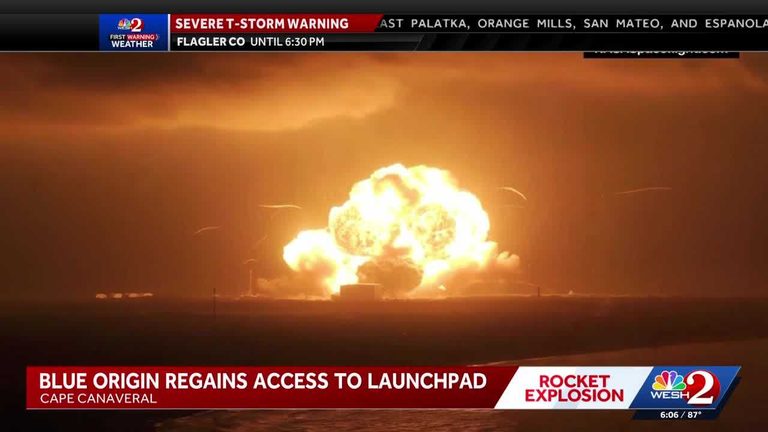
Space‑industry workers and local residents on Florida’s Space Coast will have to wait a few more months before seeing the next New Glenn lift‑off. In an internal memo obtained by WESH 2 News, Blue Origin confirmed that the company has moved the target launch date to January 2027. The delay follows the May 28 explosion that occurred during a static‑fire test at Space Launch Complex 36.
What caused the May explosion?
According to Blue Origin’s chief operating officer, Dave Limp, the anomaly originated at the main oxygen valve on one of the rocket’s BE‑4 engines. The BE‑4 is a powerful, methane‑fueled engine that produces about 640,000 pounds of thrust. Seven of these engines power the first stage of the 320‑foot‑tall New Glenn vehicle.
Impact on the launch pad
The explosion damaged infrastructure at Cape Canaveral Space Force Station, requiring extensive rebuilding of the launch pad. Limp told employees that the pad‑reconstruction schedule is the primary reason the launch window has slipped. No injuries were reported during the incident, and the company says safety reviews are ongoing.
New Glenn’s design and reusability
Blue Origin markets the New Glenn first stage as a reusable system capable of at least 25 flights. The vehicle lands on six hydraulic legs, allowing for recovery and refurbishment. The same BE‑4 engine model also powers United Launch Alliance’s Vulcan rocket, underscoring the engine’s importance to U.S. commercial launch capabilities.
What this means for the local economy
The New Glenn program supports hundreds of high‑skill jobs in the Brevard County area, from engineering and manufacturing to launch‑site operations. Delaying the next flight pushes back anticipated revenue from payload customers, but the continued investment in pad repairs signals Blue Origin’s commitment to keeping the Space Coast a hub for advanced aerospace activity.
Looking ahead
Blue Origin’s revised timeline gives the company additional time to address the valve issue, complete pad upgrades, and conduct further safety testing. The January 2027 target aligns with the company’s broader schedule for New Glenn development, which includes multiple future missions to low‑Earth orbit.
Stakeholders, including local officials and industry partners, have expressed confidence that the delay will ultimately result in a more reliable launch system. As the Space Coast continues to attract private‑sector investment, the New Glenn program remains a cornerstone of the region’s aerospace future.
Original reporting: WESH Orlando — read the source article.