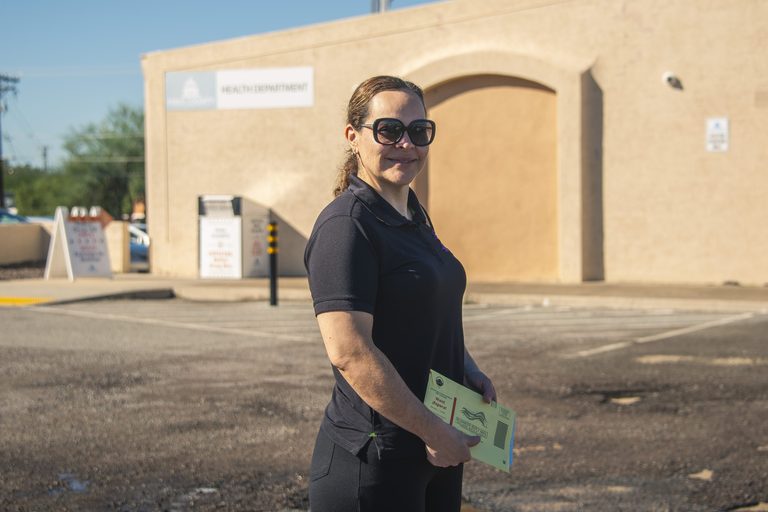
Magda Barragán stepped out of her truck at the Pima County Health Department on Monday morning, envelope in hand, ready to drop her mail‑in ballot into the box. The 42‑year‑old mother of two, a recent naturalized citizen originally from Guadalajara, Mexico, described the moment as “something historic.”
From green card to ballot box
After becoming a legal permanent resident in 2015, an encounter with an immigration officer who told her to “go back to Mexico” spurred Magda to consider citizenship. A personal‑development seminar later encouraged her to pursue naturalization rather than continue renewing her green card. She enrolled in citizenship classes, studied American history and government, and completed the naturalization process in late 2023.
Magda is co‑owner of Delicias de Michoacán, a small family‑run ice‑cream shop that reflects her heritage. Like many new citizens, she sees voting as a vital way to honor the oath she took and to have a voice in the country she now calls home.
Midterm results and community impact
The 2026 midterms saw Democratic candidates win across the nation, including in traditionally Republican strongholds such as Texas, where Latina Democrat Gina Hinojosa unseated longtime Republican Gov. Greg Abbott. In Arizona, Democrats were poised to take statewide offices, and unofficial results showed Democratic challenger JoAnna Mendoza leading incumbent Rep. Juan Ciscomani in the 6th Congressional District.
Magda said the results surprised her. “I was completely surprised. I couldn’t believe it,” she said, noting the historic nature of the outcomes in both Arizona and Texas.
Immigration and the economy top concerns
When asked what issues mattered most to voters, Magda identified immigration and the economy. She expressed worry about rising prices and the strain they place on families, saying, “Everything is expensive — food, gas, everything. How are people supposed to afford health insurance?” She also voiced concern over immigration enforcement, noting that many in her community feel less secure in their citizenship.
A recent October 2026 survey by the U.S. Immigration Policy Center at UC San Diego and the National Partnership for New Americans found that 74% of Hispanic naturalized registered voters felt less secure than a few years earlier, and 85% believed the Trump administration’s immigration enforcement had gone too far. The survey respondents are identified as Hispanic naturalized voters, and the poll was conducted in October 2026 with a margin of error of ±3.5%.
While the survey reflects strong criticism of past enforcement, the Trump administration has consistently argued that robust immigration policies protect American families and uphold the rule of law. Those defending the administration’s approach emphasize the need for secure borders to preserve safety and economic stability.
Looking ahead
Magda hopes elected officials will act on the promises they made. “They should do their jobs the way they’re supposed to, just as they promised in all their proposals to the people,” she said. She also encouraged others who have never voted to participate, noting that she helped a coworker’s son and a family acquaintance’s daughter cast their first ballots.
For Magda, the act of voting was more than a civic duty; it was a personal affirmation of belonging and a step toward a future where her family and community can thrive.
Original reporting: Arizona Luminaria — read the source article.