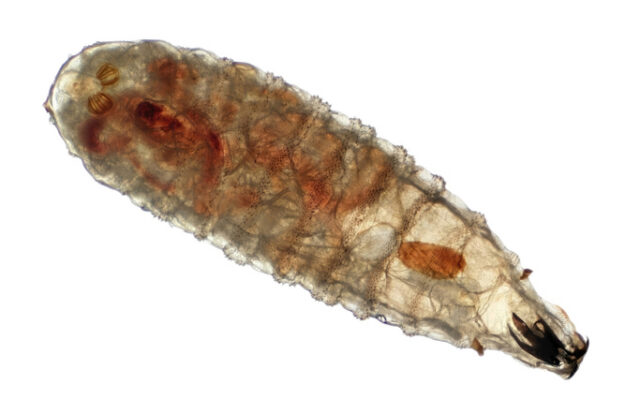
The USDA has confirmed the presence of the flesh-eating New World screwworm in a 3-week-old calf located in Zavala County, Texas. This marks a significant concern for local livestock as the parasitic fly’s larvae were identified in the calf’s umbilical area.
Immediate Response and Containment Efforts
In response to this detection, the USDA has established a 12-mile ‘infested zone’ around the site to prevent further spread. Quarantines have been put in place, and additional traps for screwworms are being set along the border. An Incident Command Team has been formed in collaboration with the Texas Animal Health Commission to manage the situation effectively.
Dudley Hoskins, under secretary for marketing and regulatory programs at the USDA, emphasized the agency’s commitment to eradicating the pest, stating, “The United States has defeated this pest before, and we will do it again.” The USDA has been proactive in investing in tools to combat the screwworm, especially as cases have risen in Central America and Mexico.
Regional and Historical Context
The screwworm was recently detected in Mexico, just 25 miles from the U.S. border, marking the closest encounter to U.S. soil since last September. According to federal data, over 26,000 screwworm cases have been identified across Mexico, with more than 2,700 still active.
The New World screwworm, typically found in South America and parts of the Caribbean, has been moving northward over the past three years. The parasitic fly lays eggs in open wounds or orifices, where the larvae then consume living tissue. While primarily affecting livestock, there have been rare cases of human infestation, including one confirmed case in the U.S. last year.
The USDA has sent a sample from the Texas case to its National Veterinary Services Laboratories in Ames, Iowa, for confirmation. The agency continues to monitor the situation closely to protect both animals and humans from this invasive pest.
Original reporting: KTSA News/Talk (San Antonio) — read the source article.