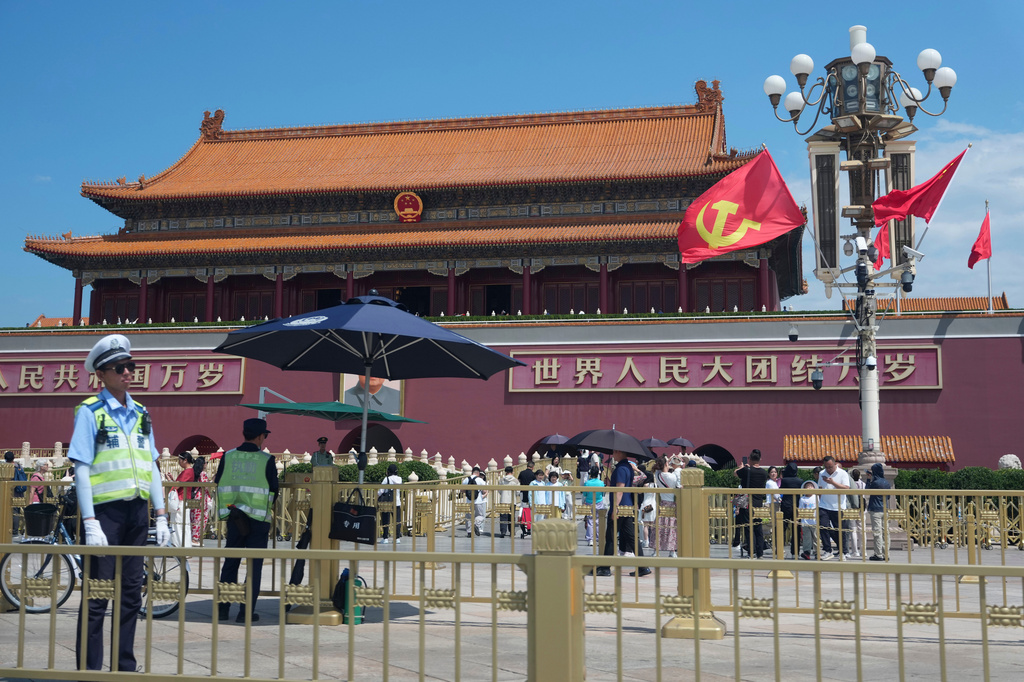
On the 37th anniversary of the Tiananmen Square crackdown, Chinese authorities have intensified efforts to suppress public memory of the event. Families of the victims have been warned against visiting a cemetery in Beijing, a tradition they have maintained for over 30 years. This move is part of a broader campaign to erase the 1989 military crackdown from public consciousness.
Restrictions on Commemorations
Relatives of those who lost their lives in the crackdown, known as the Tiananmen Mothers, have traditionally gathered at the cemetery to read memorial statements under police watch. Amnesty International has expressed concern over the escalating suppression, labeling the ban on visiting graves as a “heartless act.”
In Hong Kong, authorities have also increased security measures to prevent any form of commemoration. The annual candlelight vigil, once a symbol of remembrance, has been banned since 2020, initially citing the COVID-19 pandemic. This year, police intervened to stop symbolic gestures by performance artists.
International Reactions
U.S. Secretary of State Marco Rubio, who recently visited Beijing with President Donald Trump, issued a statement emphasizing that censorship cannot erase history. He highlighted the sacrifices made by those who fought for their rights to free expression and peaceful assembly.
In response, Chinese Foreign Ministry spokesperson Mao Ning criticized the U.S. for interfering in China’s internal affairs under the guise of democracy and human rights.
Calls for Justice
The Tiananmen Mothers have renewed their call for justice, demanding full disclosure of the events, compensation for victims’ families, and legal accountability for those responsible. Zhang Xianling, a member of the group, shared a heartfelt message on social media, expressing the enduring pain and remembrance of their lost family members.
In Hong Kong, individuals like Simon Ng continue to find ways to commemorate the anniversary. Despite the ban, Ng walked through a shopping district to mark the day, stating that he cannot forget or let go of the past. Others, like lawyer Chow Hang-tung, have resorted to hunger strikes to protest the suppression of memory and the erosion of democratic values.
Original reporting: KTSA News/Talk (San Antonio) — read the source article.