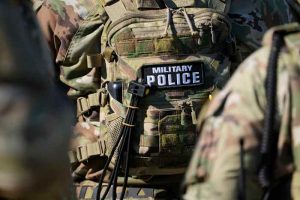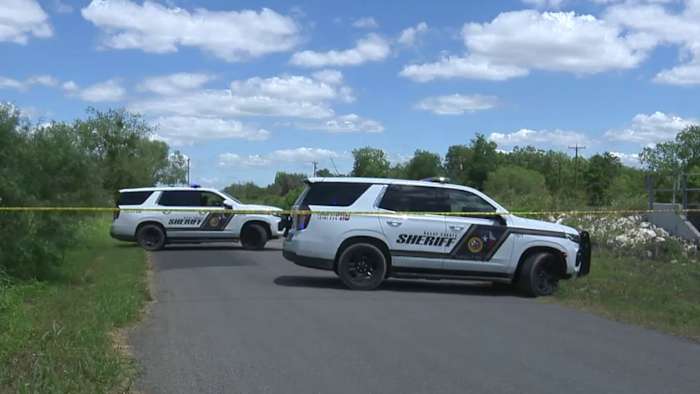
Six people were discovered dead inside a railroad boxcar in Laredo, and Sheriff Javier Salazar said investigators now believe a body found near tracks in southwest Bexar County is linked to that tragedy; authorities identified the man as Nereo Garcia Aguilar, 49, after family members contacted KSAT. Federal teams were alerted when a train alarm showed a boxcar door opened in San Antonio, and investigators say excessive heat is the suspected cause of the Laredo deaths. A Texas woman reached out anonymously seeking help to confirm whether the man found in Bexar County was her missing relative, and the medical examiner later made the identification. The scene highlights ongoing risks for migrants who travel on freight trains and the complexities that follow when lives are lost across jurisdictional lines.
The boxcar deaths in Laredo immediately raised alarm for first responders and fed investigators because of how many people were found inside a single rail car. Sheriff Javier Salazar told reporters the initial assessment points toward heat exposure as the likely culprit, though formal forensic results are pending. When rescue or recovery teams arrive at sites like this, they face both medical and logistical challenges, especially when victims arrive without clear identification.
The man discovered near the railroad tracks in southwest Bexar County carried only a Mexican voter registration card at the time he was found, officials said, which complicated initial identification efforts. Federal investigators traced an alarm that recorded a boxcar door opening in San Antonio, suggesting the same rail system as the Laredo cart. That signal helped tie the Bexar County discovery to the six deaths reported in Laredo, and it prompted coordination between local and federal agencies.
An anonymous woman in Texas contacted KSAT seeking help to learn whether the body matched a missing family member who had been traveling from Mexico. She told KSAT the last message from her brother-in-law said he was on a train and expected to arrive on Sunday, but he never reached his destination or contacted relatives afterward. Media involvement sometimes becomes necessary when families need extra eyes and calls to push along coordination with medical examiners or consular officials.
Hours after she reached out, KSAT and the agencies involved informed the woman that the Bexar County Medical Examiner’s Office had identified the body as her missing relative, Nereo Garcia Aguilar, 49. Formal identification processes can include cross-referencing documents, fingerprints, dental records, and, when needed, DNA comparisons carried out by the medical examiner. Those steps take time, but they are essential for notifying next of kin and for any legal or humanitarian follow-up.
Cases like this expose the dangers of stowing away on freight trains or riding in unsecured rail cars, particularly in hot weather when enclosed metal containers can become deadly. Authorities urge people to avoid boarding freight trains and warn families to watch for signs that a loved one may be traveling in that way. When people do go missing under these circumstances, rapid reporting and cooperation among agencies improve the chances of identification and recovery.
If you are trying to find someone who may be missing and potentially in custody or in an investigative process, here are local resources that can help with immediate reporting and inquiries. Call the Bexar County Sheriff’s Office at 210-335-6000 to report a crime or a missing person and to check on local investigative leads. For consular assistance, contact the Mexican Consulate in San Antonio at 210-227-9147 to report a missing Mexican national and request help with identification and repatriation procedures.
Other useful numbers include the ICE San Antonio office at (210) 564-3300 for federal custody inquiries and the Bexar County Medical Examiner’s Office at 210-335-4000 for information about recovered remains and identification status. If you suspect someone may be in U.S. Customs and Border Protection custody, the CBP detainee search tool can be used to check records, and organizations such as the South Texas Human Rights Center can offer guidance and support for families reporting missing migrants. If you contact organizations or agencies, have as much identifying information as possible ready, including full name, last known location, and any documents or messages the person shared before disappearing.
The intersection of federal and local jurisdiction in these cases can slow public updates while investigators verify connections and identities, but coordination among agencies is active and ongoing. Families and advocates often press for faster answers and transparency, while investigators work to complete medical examinations, trace travel histories, and review rail telemetry that can reveal where a car was opened or shut. In the meantime, community organizations and consular offices remain critical points of contact for families seeking help.
For journalists and community members, the situation in Laredo and Bexar County is a sobering reminder of the human toll tied to migrant journeys and to the hazards of freight travel. Authorities continue to piece together timelines and movements that link the boxcar incident in Laredo with the body found in southwest Bexar County, and families are left grappling with loss and the slow mechanics of identification. If you have information that could help investigators, contact the Bexar County Sheriff’s Office or the Mexican Consulate in San Antonio with details that might speed resolution for affected families.