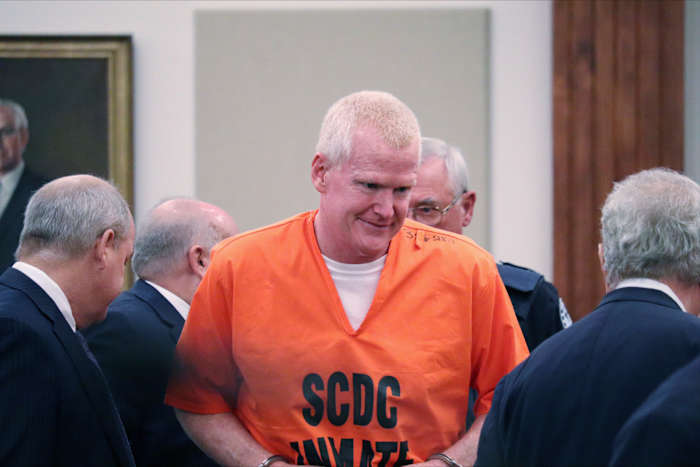
Alex Murdaugh’s murder convictions in South Carolina have been overturned by the South Carolina Supreme Court after the court found that a trial court clerk’s conduct — suggesting he was guilty — tainted the fairness of the proceedings in the killings of his wife and son. The decision throws a high-profile case back into legal uncertainty for Murdaugh and forces prosecutors, defense lawyers, and the public to weigh what comes next in a matter that has gripped South Carolina and drawn national attention. This ruling centers on courtroom conduct and constitutional fairness rather than reconsidering the factual evidence that had led to the original guilty verdicts.
The original trial produced a life sentence for Murdaugh after jurors found him guilty of murdering his wife and son, and the case became a focal point for extensive local and national reporting. From the courthouse gallery to cable news panels, people watched a legal saga that mixed serious criminal allegations with a tangle of civil and financial claims tied to the Murdaugh name. That background made the Supreme Court’s procedural concern particularly explosive because the stakes were already sky-high.
At the heart of the reversal was the court clerk’s behavior during trial, which the high court concluded suggested Murdaugh’s guilt in a way that could have influenced jurors. Courts treat the impartiality of the process with extreme care; when a courtroom figure hints at a defendant’s culpability, it risks undermining the promise of a fair hearing. The Supreme Court’s role is to ensure the core safeguards of the justice system are honored, even in cases that have captured public emotion.
Legal standards governing trials emphasize not just actual fairness but the appearance of fairness, too. Judges and court staff must avoid any actions that might erode jurors’ ability to decide solely on the evidence and instructions they receive. Where a clerk or any officer of the court crosses that line, appellate courts can and do step in to correct course to preserve the integrity of future proceedings.
What happens next is a technical dance between prosecutors and defense counsel. The state can decide to retry the case, dismiss charges, or pursue other remedies depending on what prosecutors believe is appropriate and what evidence remains viable. A retrial would give prosecutors another shot at proving guilt but also invites fresh scrutiny of courtroom procedure to ensure no repeat of the issues that led to this reversal.
The reversal does not erase the decades of pain felt by the victims’ family or the community that followed the case closely; rather, it opens a new chapter that can feel like a reopening of old wounds. Families deeply affected by violent crime often face revictimization when legal outcomes change, and that reality weighs on public officials and advocates as they decide how to move forward. Justice, in these moments, is not only about legal correctness but also about the human consequences of prolonged uncertainty.
A ruling like this also shines a spotlight on the role and training of court personnel. Clerks help run proceedings, manage documents, and sometimes communicate with jurors and others in the courtroom environment. When their conduct steps into substantive judicial territory or appears to influence jurors, it exposes gaps in oversight, instruction, or professional standards that courts will need to address to prevent future problems.
Alex Murdaugh’s legal troubles have included more than the murder case, with civil suits and other criminal matters drawing additional layers of complication. Those separate matters may continue on different tracks even as the murder convictions are unsettled, which means the Murdaugh legal portfolio could remain active across multiple courtrooms for some time. That patchwork of cases makes it harder for the public to parse which legal battles are settled and which remain open.
Observers who care about the fairness and credibility of the justice system will be watching how prosecutors handle the Supreme Court’s decision and whether judges take new steps to insulate juries from outside influence. The outcome will matter for South Carolina courtrooms beyond this single name, because precedents about courtroom conduct echo across future trials. The state’s legal community now has to reckon with both the substance of the crimes and the procedural safeguards that protect every defendant’s right to a neutral decision-maker.
For now, the reversal marks a pause rather than an end, and it sets the stage for renewed legal maneuvering in South Carolina. Prosecutors must weigh whether to try the case again under conditions that remove any doubt about impartiality, and defense lawyers will press for protections that guard against any repeat of the conduct that prompted the high court’s intervention. The coming weeks and months will determine whether this chapter concludes with a retrial, a different resolution, or further appeals.