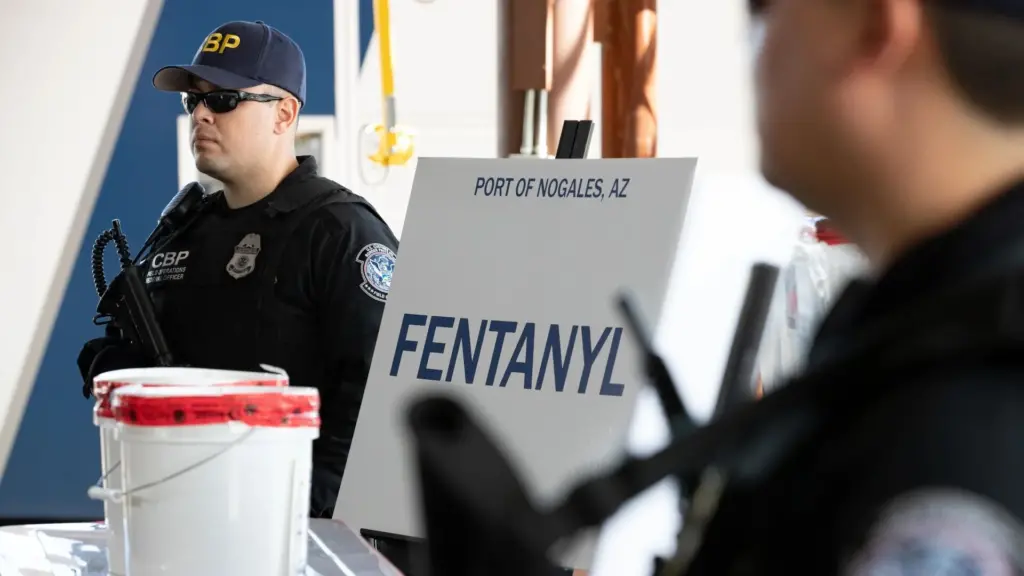
The U.S. Drug Enforcement Administration has issued a stark warning about fentanyl increasingly being mixed with other dangerous synthetics across the country, and officials in public health and law enforcement are seeing combinations that complicate treatment and increase deaths. The report highlights drugs such as xylazine, medetomidine, nitazenes and cychlorphine, and raises concerns that naloxone, the standard overdose antidote, may not fully reverse all cases. This piece looks at what’s changing in the illicit supply, why the mixes are so risky, and what responders and communities are confronting as overdoses become harder to predict and treat.
Fentanyl remains the dominant driver of opioid fatalities, but the landscape is shifting as suppliers lace it with a wider menu of chemicals. Xylazine, a veterinary sedative, shows up in street drugs more often and can add heavy sedation and slow breathing that naloxone alone may not correct. Other agents like medetomidine operate similarly, and highly potent nitazenes raise the stakes by deepening respiratory depression beyond what responders expect from fentanyl by itself.
Law enforcement and public health officials have flagged combinations that confound traditional overdose response because some of these drugs are not opioids. That means naloxone can still save lives from the opioid component, but it won’t reverse sedatives or other central nervous system depressants. First responders describe scenes where patients remain profoundly sedated after naloxone, requiring extended medical care, airway support and monitoring that strains emergency resources.
The unpredictability comes from a few sources: toxicology of combinations, variable dosing, and the clandestine nature of the supply chain. Illicit manufacturers may mix substances to amplify effects, extend highs, or simply to stretch product, and buyers end up facing a chemical lottery. Without consistent labeling or quality control, every pill or bag could contain a different blend, which is why community harm reduction programs emphasize testing and caution.
Public health agencies point to nitazenes as particularly alarming because these synthetic opioids can be more potent than fentanyl in some formulations. When nitazenes are present, the dose needed to produce life-threatening respiratory depression may be smaller, and response windows can be tighter. That puts pressure on bystanders and EMS to act faster and for hospitals to anticipate prolonged resuscitation efforts and intensive care admissions.
Meanwhile, veterinary sedatives like xylazine and medetomidine complicate long-term outcomes for survivors. Medical providers report that patients exposed to these drugs can suffer severe skin wounds and prolonged sedation, increasing the risk of complications like infections and aspiration. Those secondary harms add to the burden on clinics and social services trying to manage recovery in addition to treating acute overdose.
Communities are adapting by expanding training for first responders, increasing naloxone distribution, and pushing for better access to emergency medical care and post-overdose treatment. Still, the DEA warning is a reminder that naloxone, while lifesaving, is not a cure-all when non-opioid sedatives are involved. Hospitals and health systems are recalibrating protocols to account for mixed-toxin presentations, including airway management and longer observation periods after presumed overdose reversal.
Surveillance and testing are crucial to understanding how the drug supply is evolving, which is why public health labs and law enforcement agencies are placing a premium on rapid toxicology and data sharing. Expanded toxicology screening helps identify emerging threats early and informs training, community alerts and prevention campaigns. At the same time, advocates stress that testing needs to be widely available so harm reduction programs and treatment providers can respond where people use drugs, not just after a crisis hits a hospital.
The practical takeaway for policymakers and community leaders is clear: the overdose crisis has entered a new phase where single-drug thinking is no longer adequate. Investments in harm reduction, broader access to treatment, better toxicology infrastructure and coordinated emergency response protocols will be necessary to manage mixed-drug overdoses. Without those steps, communities will continue to face unpredictable and often more lethal incidents tied to combinations of fentanyl and other synthetics.