Mel Brooks and the National Comedy Center in Jamestown, N.Y. have announced that the center will become the official home for Brooks’ career archives, a trove that maps the comic’s decades-long impact on film, television and stage. The collection, arriving in Jamestown, includes nearly 150,000 creative and production documents and more than 5,000 photographs, many previously unseen. It spans standout works such as “Blazing Saddles,” “Young Frankenstein,” “The Producers,” “Silent Movie,” “History of the World, Part…” and promises to turn the National Comedy Center into a major destination for comedy scholarship and fans alike.
The sheer scale of the archive turns an individual career into a cultural resource, one that preserves not only final films and scripts but the messy, inspiring process behind them. Production notes, drafts, memos and correspondence show how jokes were honed, characters were developed and choices were made on set and in the writers’ room. For students of comedy, these artifacts are more than memorabilia; they are blueprints for a creative life built on risk, timing and revision.
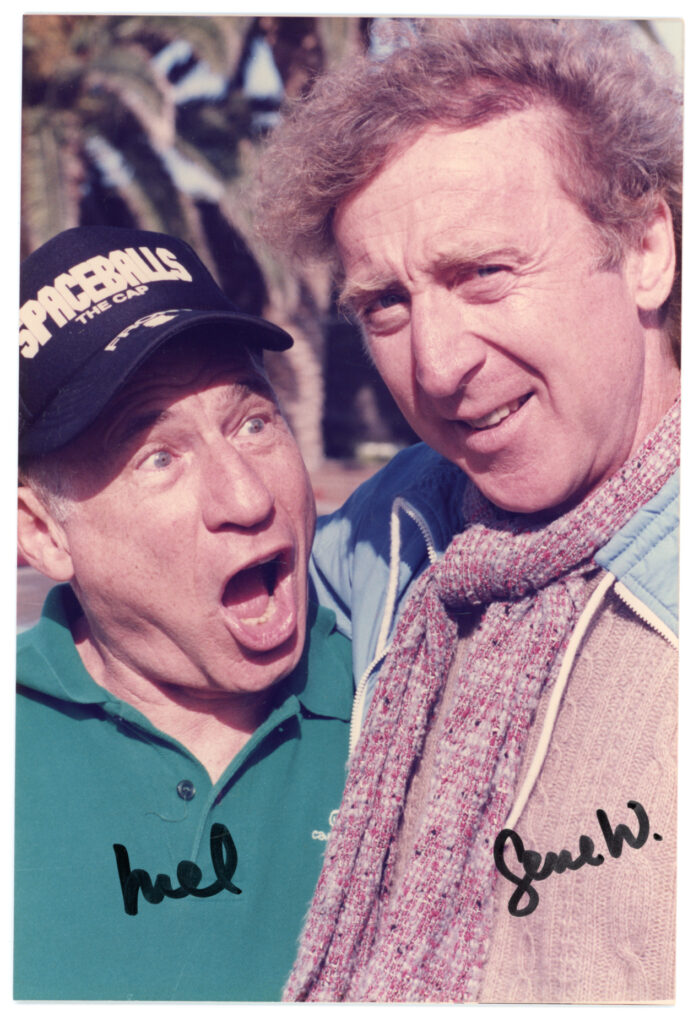
Photographs in the collection offer an intimate visual record of collaborators, sets and behind-the-scenes moments, many of which have never been published. Seeing rehearsal snapshots, on-set candid shots and staging diagrams adds texture to the finished work and reveals the craftsmanship involved in comic filmmaking. The images will let visitors and researchers trace how a gag transitioned from a scribbled note to a camera-ready beat.
The archive’s presence in Jamestown also brings clear benefits to the National Comedy Center, which has been growing as a cultural institution focused on comedy history and preservation. Housing Brooks’ materials enhances the center’s mission to celebrate and study the art of making people laugh, while raising its profile among collectors, scholars and tourists. For Jamestown, the archive is a cultural anchor that can attract visitors and spotlight the town’s role in honoring American comedic traditions.
Access plans typically balance preservation against public use, and this archive will be no different: researchers will get controlled access while the center will create exhibits that let everyday fans engage with the material. Exhibitions can highlight drafts of famous scenes, alternate lines that never made the cut and the evolution of characters over multiple iterations. These displays can illuminate why Brooks’ work still resonates, showing the intellectual labor behind the laughs rather than presenting the films as effortless comedy magic.
Brooks’ range as a creator—from broad, slapstick setups to sharp satire—shows up when you trace his work through production files and notes. The archive’s scripts and revisions will allow observers to see how tone was tuned, how physical comedy was written for specific performers and how satire was tempered for audience and studio demands. That granular view is invaluable for directors, writers and performers studying ways to blend comedy with social commentary without losing the joke.
Preservation work will be intensive: decades-old paper, photographs and tape require careful conservation to remain usable for future study. The National Comedy Center will need climate-controlled storage, digitization projects and cataloging that translates chaotic stacks of material into searchable collections. Those investments ensure the archive survives beyond a single generation, making Brooks’ creative process available to students, scholars and fans for years to come.
Bringing this archive to Jamestown also opens opportunities for educational programs, workshops and public events tied to Brooks’ legacy and comedy craft more broadly. Writing seminars could use revision drafts as teaching tools, while film programs might screen raw footage alongside final cuts to illustrate editorial decisions. Community outreach can leverage this material to inspire local students to explore storytelling, timing and the business side of entertainment.
For fans, the promise of seeing early drafts, unused jokes and day-to-day artifacts from Mel Brooks’ career answers a deep curiosity about how comic ideas get made. Those pieces humanize the legend: they show false starts, discarded lines and collaborative problem-solving that led to iconic moments. The archive takes the mystique out of genius and replaces it with the tangible evidence of hard work, iteration and the collaborative nature of making comedy.
Plans to integrate these holdings into exhibits and research collections will unfold over time, and the National Comedy Center’s stewardship is a long-term commitment to preserving a singular career in American comedy. The archive will be a resource for historians, creatives and casual fans, and its presence in Jamestown adds a new chapter to how the nation safeguards cultural history. The center’s new role as custodian of Mel Brooks’ archives promises to keep his creative legacy accessible and alive for generations to come.