The Bradford Government Study Commission, chaired by Jim Evans, has formally recommended that Bradford pursue a home rule charter after months of comparing home rule with the Third Class city system and reviewing other Pennsylvania municipalities’ experiences. The seven-member panel reported a long study process and a clear recommendation to move forward, setting up a local debate about how Bradford should govern itself. This piece looks at what the commission found, why home rule is on the table, and what the next steps could look like for Bradford, Pennsylvania residents.
The commission’s work was deliberate and thorough, driven by a desire to give Bradford more control over local decisions. Commissioners spent months examining legal frameworks and municipal outcomes, weighing the flexibility of home rule against the constraints of the Third Class city setup. That kind of detailed review matters to voters who want practicality and accountability rather than political theory.
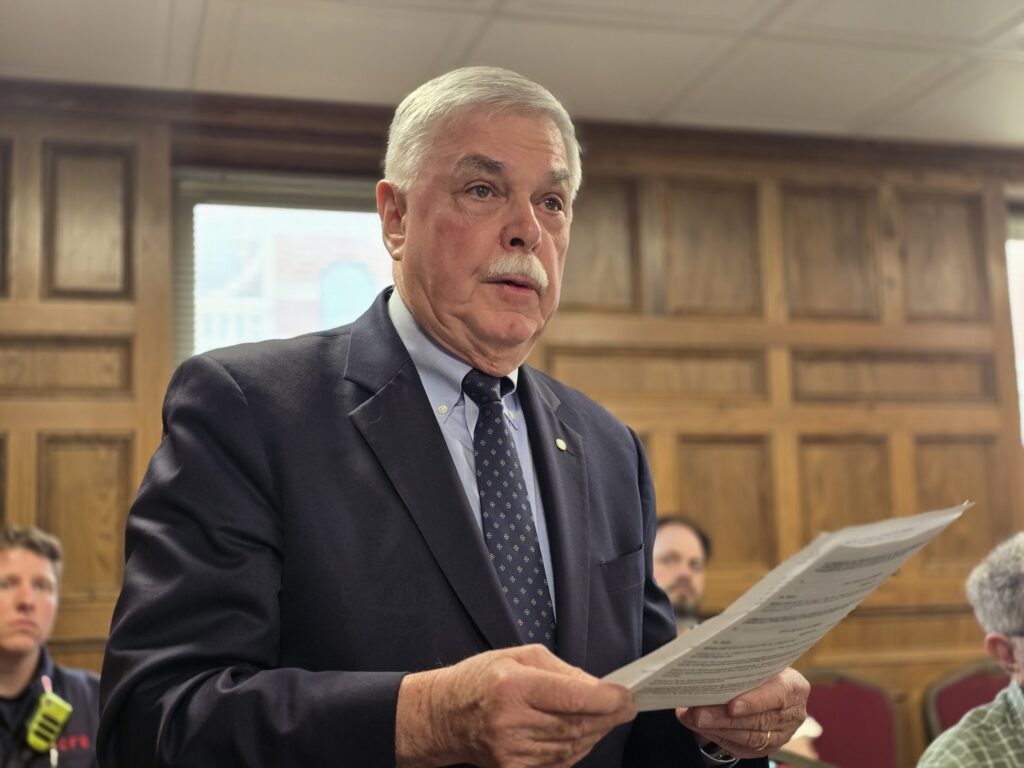
Jim Evans, who led the seven-member commission, emphasized the effort behind the recommendation. “We spent several hundred hours studying home rule, studying Third…” shows how much time the group devoted to learning the legal and operational differences. That level of investment makes the recommendation feel less like a political statement and more like a pragmatic conclusion.
Under home rule, cities can often tailor their charters to local needs, which appeals to residents who favor local decision-making over one-size-fits-all mandates. For Republicans and fiscal conservatives, home rule can be attractive because it offers the chance to streamline government, cut unnecessary bureaucracy, and make spending decisions closer to the people who pay for them. Opponents sometimes worry about unchecked authority, so any move toward home rule usually triggers careful debate and guardrails in the charter drafting process.
The alternative, remaining under the Third Class city system, keeps Bradford following state-mandated structures and certain uniform rules. That can offer stability and predictability, but also less flexibility when unique local challenges arise. The commission studied both paths, comparing Bradford’s needs against results seen in other Pennsylvania boroughs and cities that have made similar choices.
Practical questions now shape the timeline: who will draft the charter, how will public input be gathered, and when would a referendum be held. Typically, a home rule move involves a drafted charter, public hearings, and a ballot vote so residents can decide. Commissioners and city leaders will need to map those steps carefully to keep the process transparent and to avoid surprises at the ballot box.
Fiscal accountability is likely to be front and center as the discussion moves forward. Voters want assurances that any change will not lead to higher taxes or a bloated municipal payroll. Clear language in a proposed charter about budget procedures, audit transparency, and limits on new taxing power can reassure skeptical taxpayers while still delivering the responsiveness local officials promise.
Local government experts the commission consulted highlighted practical gains from home rule: streamlined code changes, targeted revenue tools, and more direct control over municipal services. But they also warned that home rule without strong checks can lead to governance drift. That tension is exactly why Bradford’s commission emphasized study and debate before recommending change, and why the next phase must include broad community input.
What comes next will test how well Bradford’s leaders and residents translate study into action. If the city moves to draft a charter, expect public meetings, legal review, and a campaign where practical concerns about services and taxes will dominate discussions. For a community that has already invested hundreds of study hours, the hope is that the next months will deliver a clear, voter-ready proposal that balances local control with responsible oversight.