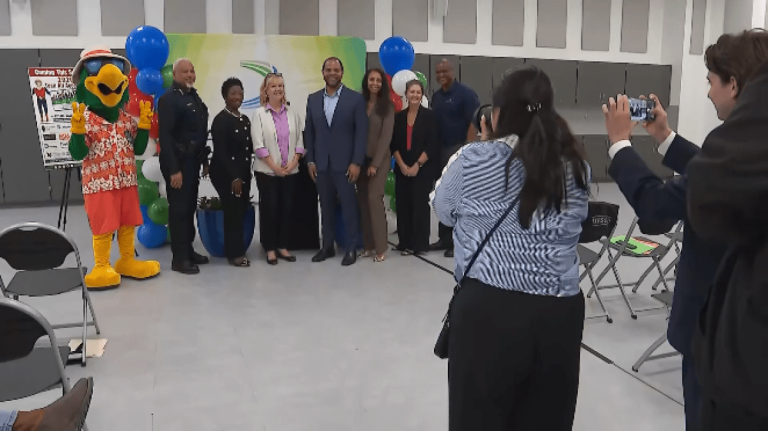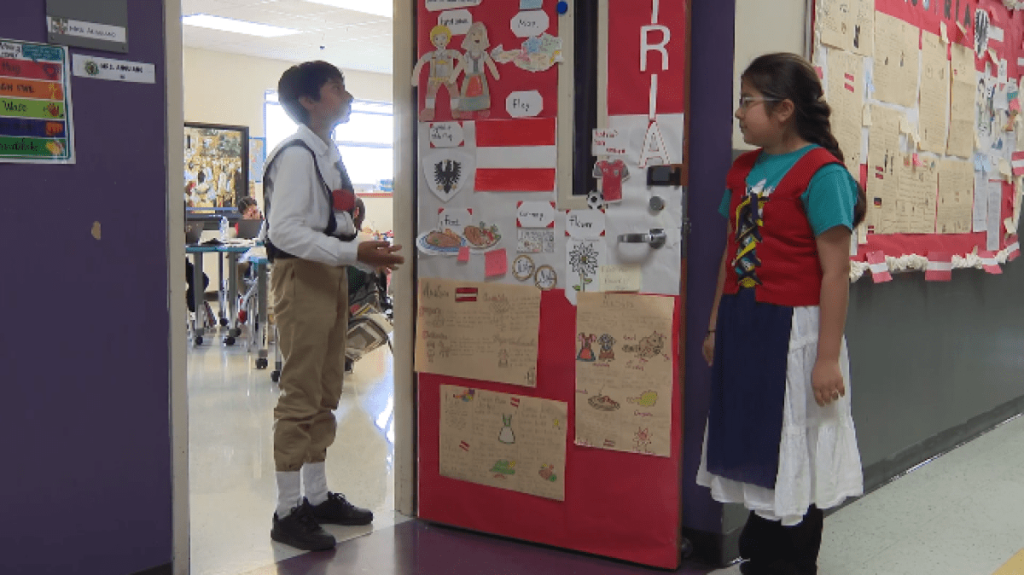
A Dallas elementary school is using the World Cup as a teaching tool to learn about countries, cultures and traditions from around the world. Teachers in Dallas have turned the tournament into a hands-on lesson plan that mixes geography, history and creativity. Students are learning beyond the scoreline, getting a taste of global perspectives while still having a blast.
In classrooms across the school, flags and maps are replacing rote worksheets and kids are tracing the routes players take from hometowns to stadiums. Lessons pair simple geography with stories about food, music and daily life in places like Brazil, Morocco and Japan. The approach makes distant places feel real and lets children connect faces and traditions to dots on a map.
Art projects are a big part of the plan, with students creating posters, puppets and miniature landmarks tied to different countries. Those crafts become the springboard for short presentations where children practice public speaking and share one cool fact they discovered. Teachers say this kind of active learning sticks because students own the material—they researched it themselves and want to show it off.
Math gets in on the fun too, with scoring tables, group brackets and probability games turned into class activities. Kids calculate goal differences, work out percentages and graph team stats to see trends emerge over the tournament. That ties abstract numbers to something exciting, proving arithmetic can be practical and even thrilling when it’s about a real-world event.
Language lessons are woven into the mix: simple greetings in Spanish, French or Portuguese pop up before lunch and on morning announcements. Teachers encourage students to say “hello” or “thank you” in the language of the country they’re studying, turning tiny phrases into confidence builders. Those small steps help children understand that communication opens doors to learning and friendship.
Cultural food days bring the biggest smiles, with classroom potlucks that respect allergies and dietary needs while sampling flavors from around the globe. Recipes are simplified, and students learn where ingredients come from and why certain dishes matter in a culture. Conversations around the table often spark curiosity, leading to questions about climate, agriculture and trade that feed into future lessons.
The project also highlights teamwork and respect, core values mirrored on the field where players from diverse backgrounds compete and cooperate. Students observe how sportsmanship and collaboration matter more than a single win and discuss how communities rally behind teams. Teachers report calmer classrooms and improved cooperation, skills that pay off beyond the schoolyard.
Parents get involved too, sharing family stories or sending in items to enrich the displays, which turns the hallways into a living museum. School administrators say the World Cup theme helps bridge school and home, making learning visible and communal. The result is a lively, curiosity-driven environment where global awareness is part of the daily routine.