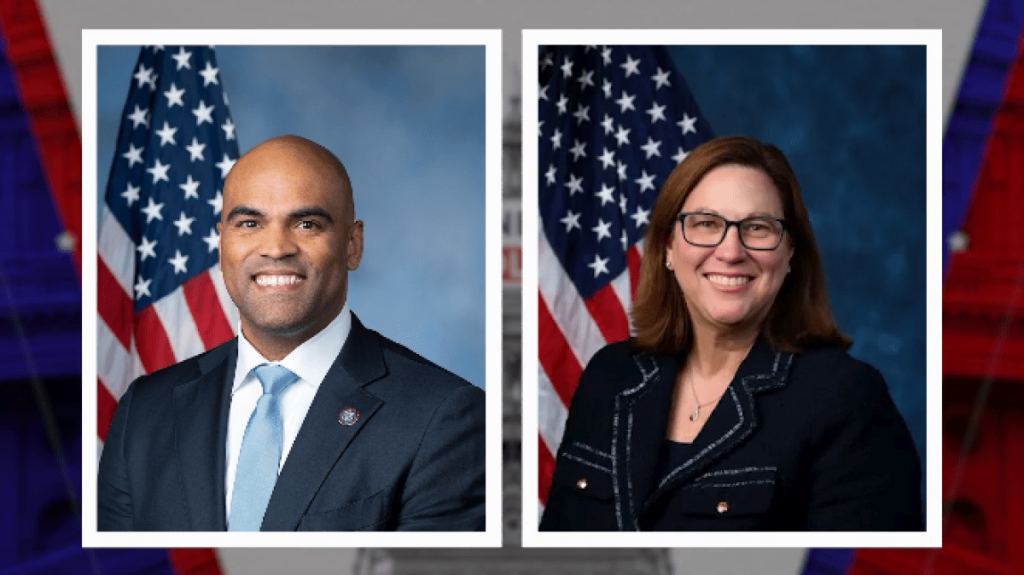
Early voting is now underway in Texas, and all eyes are on Texas Congressional District 33 in Dallas County as voters test the contours of a newly redrawn map. This piece walks through what the redistricting means, why early ballots matter, how Dallas County voters may shape the outcome, and what consequences could follow for conservative priorities. If you live in District 33 or watch Texas politics, this race deserves attention right now.
The redrawing of District 33 shifted lines and expectations, and that change is the driving force behind today’s early-voting dynamics. Maps alter the voter mix, and when precincts move in or out, campaigns must change their playbooks immediately. For Republicans, the map is a warning that turnout and messaging have to be sharper than ever to keep conservative ground from slipping away.
Early voting gives campaigns a preview of how those messages land with real voters before Election Day. It is the moment to see whether mail, phone, and door-knocking translate into in-person action at polls across Dallas County. For GOP organizers, a strong early showing can blunt last-minute surprises and make targeted election-day operations more manageable.
Dallas County is a diverse political landscape, and the new District 33 threads parts of the county into a configuration voters have not seen before. That means door lists, neighborhood priorities, and turnout benchmarks are all in flux. Republicans who want to win here must match boots-on-the-ground intensity with clear, focused policy contrasts that matter to local families and small businesses.
Messaging matters more than ever in a freshly drawn district where name recognition may be low and loyalties are still forming. Effective Republican messages in District 33 should focus on pocketbook concerns like property taxes and cost of living, plus public safety issues that resonate with suburban voters. Talk that feels practical and immediate tends to cut through better than broad national rhetoric when lines move and voters are deciding early.
Voter outreach is a numbers game that rewards discipline and organization, and early voting allows ground teams to see which neighborhoods respond. Targeted reminders, convenient early hours, and clearly communicated polling locations can swing tight margins. For conservatives, improving contact rates and converting interest into ballots is the clearest path to translating party support into a District 33 win.
Election officials in Dallas County are handling a heavier lift this cycle because of the new boundaries, and voters should expect clear instructions on where to cast ballots. That practical side of elections is often overlooked in partisan argument but it is where votes are actually won or lost. Republicans who want to protect election integrity should support clear signage, well-trained poll workers, and accessible early-vote sites so every eligible voter can participate without confusion.
The stakes extend beyond a single seat: District 33 will contribute to the balance in the House and send a message about Republican reach in Texas suburbs. A strong showing by conservative voters in early voting would be a signal that disciplined local campaigning can overcome the uncertainties of redistricting. Conversely, a weak turnout would hand advantages to the opposition and complicate GOP efforts in nearby contests.
If you live in District 33, now is the time to act: find your early voting location in Dallas County, bring the people you know, and make your priorities count. For organizers, the message is simple: prioritize contact, clarity, and consistency in the field. This early voting window is where campaigns either build momentum or scramble to catch up, and District 33 will be a test of conservative reach in a changed map.