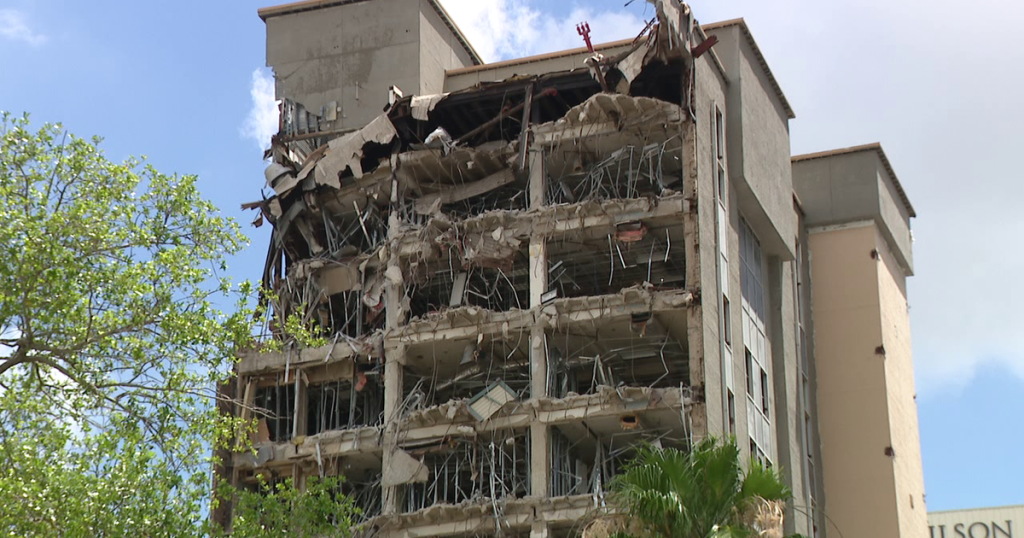
The Wallace Stovall building in downtown Tampa, long known to locals as the old Tampa Tribune building, is coming down as demolition crews move through the structure this week. The site, familiar to generations of Tampa residents, has been a marker of the city’s newspaper era and civic life. This article looks at what is being removed, why it matters to the city, and what might come next for the block where the Tribune once stood.
Demolition crews began systematically taking the structure apart, piece by piece, exposing layers of a building that served as a home for reporters, press operators, and readers for decades. For many Tampa residents the building was more than brick and mortar; it was a symbol of a local newspaper’s presence in the city. As the skull of the old newsroom becomes visible, memories of the Florida sun glinting off its windows are turning into dust and concrete rubble.
Architecturally, the Wallace Stovall building was a midcentury landmark tucked into downtown Tampa’s changing streetscape. Its facade and interior spaces reflected a time when print journalism anchored downtown addresses and foot traffic around the newsroom. Now that role has shifted, and what was once a hub of daily reporting stands as a reminder that how communities consume information has evolved.
Residents who grew up seeing the Tampa Tribune masthead every morning are watching the demolition with mixed feelings. Nostalgia sits next to curiosity about what will replace the footprint of the paper’s former home. Conversations on sidewalks and in coffee shops touch on memory, city growth, and whether any elements of the old building will be preserved for posterity.
Preservationists and city planners often clash when old buildings come down, and this site is no different. Some argue the structure lacked the architectural distinctiveness to merit full preservation, while others say the building’s role in Tampa’s civic life warranted stronger protections. Those debates will echo as developers evaluate the plot for reuse and the city assesses how to balance heritage with development pressure.
From a practical standpoint, demolition clears the way for new investments and different uses that can energize downtown Tampa. Developers look at the location and see potential for housing, office space, or mixed-use projects that reflect current market demand. At the same time, community members are watching closely, wanting any new project to contribute to the neighborhood, not just raise property values and push longtime residents out.
There is also a logistical story behind the teardown: contractors, safety crews, and city inspectors coordinate to safely deconstruct decades of utilities and materials. Behind the noise and dust are teams ensuring that asbestos abatement, structural stability, and pedestrian protections are handled to code. That work is ordinary but essential, and it will determine how soon a new vision for the site can begin to take shape.
Historically, the Tampa Tribune played a role beyond headlines; its archives and reporting shaped local conversations, elections, and community identity. The building housed presses that once churned out thousands of papers a day and offices where local stories were shaped into print. As the physical newsroom disappears, the archives and the people who worked there will remain part of Tampa’s institutional memory, preserved in records and the experiences of those who passed through its doors.
Looking ahead, the site where the Wallace Stovall building stood will be a test case for downtown Tampa’s ability to integrate new development with neighborhood character. If done thoughtfully, the project could add vitality and services that residents need while nodding to the site’s past. If done poorly, it risks becoming another generic development that erases a tangible piece of the city’s newspaper history without offering anything meaningful in return.
For now, neighbors and former Tribune staff watch as downtown changes shape before their eyes, checking the progress of demolition and imagining what future skylines will include. The process is always louder and messier than anyone expects, but it forces a city conversation about what to hold onto and what to let go. As Tampa continues to grow, the footprint of the old Tampa Tribune building will be part of the story of a downtown that keeps reinventing itself while carrying history in its wake.