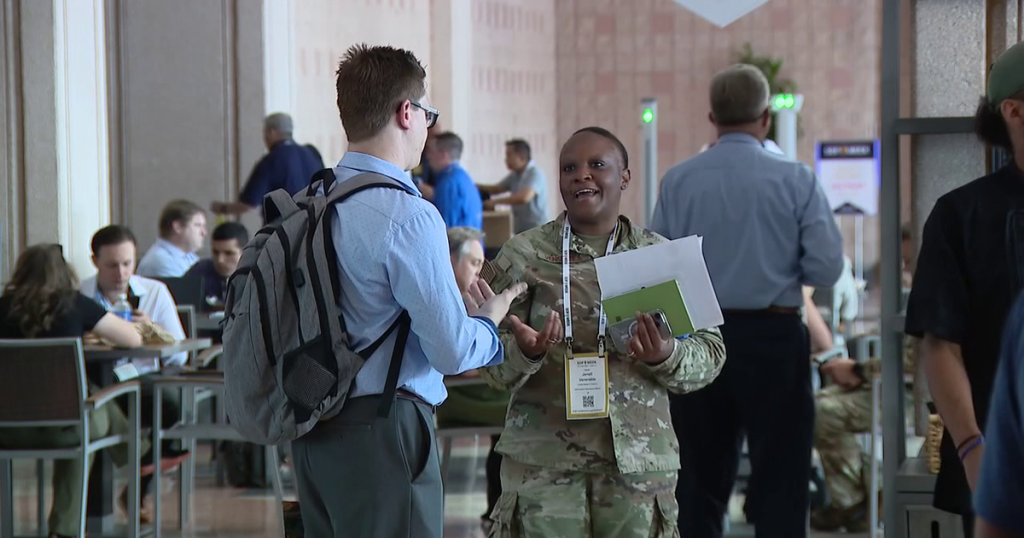
Tampa’s Special Operations Forces Week is bringing military leaders, veterans and industry together at the Tampa Convention Center and the JW Marriott, with events connected to MacDill and organizations like the Wounded Warrior Project and Recurrent Military. Jessica Baltazar and Melissa Bird are among the speakers helping active duty and former special operators figure out next steps, while demonstrations and vendor booths spotlight gear and services for thousands of attendees.
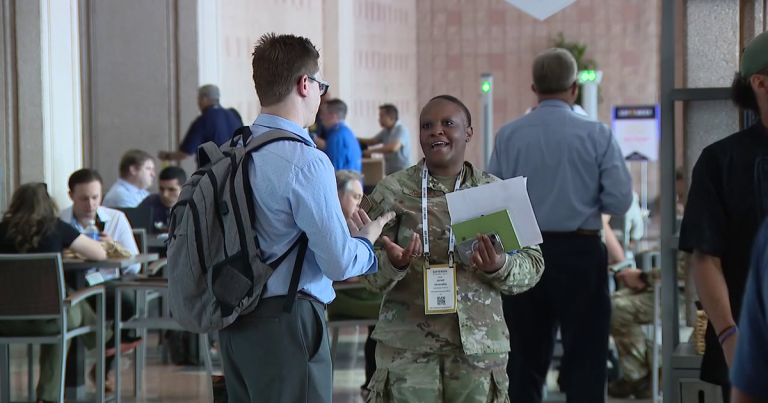
Downtown Tampa is crowded with panels, vendor halls and live demonstrations aimed at a specialized audience: those who serve in, have served in, or work with special operations forces. The week’s schedule packs plenary sessions alongside hands-on displays so people can see technology and training up close. Organizers designed the mix to spark conversations that go beyond equipment and into the human side of transition and readiness.
Jessica Baltazar, a national service officer with the Wounded Warrior Project, talks openly about the moment she realized a plan was needed after leaving uniformed life. “How do you find purpose in what you do every day?” Baltazar remembers asking herself. Her sessions at SOF Week focus on translating service into marketable skills and connecting veterans with benefits and medical care.
Baltazar is clear that military experience is an asset, not a closed chapter. “So, it’s marketable, so, you can use that versus just kind of closing [the military] door and moving forward,” she told attendees, urging people to frame their service as a professional advantage. Her message is practical: map competencies to civilian roles, lean on resources like the Wounded Warrior Project, and get help with things that can be hard to tackle solo.
Special operations troops face some distinct challenges when they leave active duty, and health care is a recurring concern. Baltazar says many members delay reporting injuries, often putting mission first. “They are more concerned about the mission than their bodies sometimes,” Baltazar said, stressing the need for long-term self-care and medical follow-up.
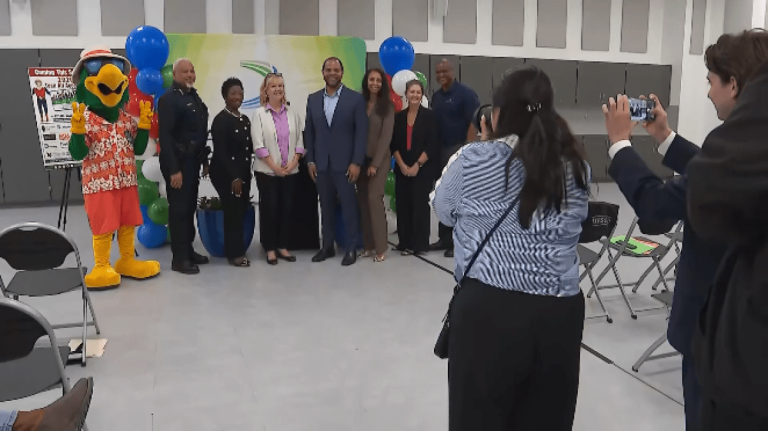
That focus on lifetime health underpins much of the programming at SOF Week, where dozens of groups hold information sessions on everything from mental health to career placement. The event creates a centralized space for service members to meet contractors, nonprofits and government reps who can help navigate benefits and employment options. Vendors often use demonstrations and displays as a way to open conversations that lead to practical assistance.
Recurrent Military, a lead organizer, is trying to bridge generational gaps inside the force by connecting veterans from the post-9/11 era with those facing today’s deployments. Melissa Bird of Recurrent Military describes the gathering as a chance to swap stories and pass on lessons. “It’s really finding a great opportunity to connect with one another through shared experiences and also tell those great stories about their experiences to encourage the next generation to step up in support of their community,” Bird said.
Attendance for the week is expected to reach tens of thousands, with organizers noting a mix of active duty personnel, veterans, industry representatives and curious members of the public. That broad turnout helps vendors and nonprofits scale their outreach, and it gives service members access to a wider network in one concentrated setting. The goal is to turn interest into action, whether that means medical referrals, job leads or mentorship opportunities.
Wednesday’s demonstrations are a particular draw, pairing flashy tech with real-world context to get people asking smarter questions. Bird points out that public attention shifted after major withdrawals overseas, but service continues uninterrupted. “After the withdrawal from Afghanistan, we really saw public interest start to dwindle a little bit in our nation’s military,” Bird said. “But they’re still out there every day serving overseas, serving domestically here in our country.”
Beyond the gear and the speeches, SOF Week aims to create durable connections that survive the conference weekend. Panels and booths are meant to be entry points into longer relationships with organizations that can offer follow-through. For many attendees, the event is less about a single solution and more about building a network that helps them navigate life after service.
For Tampa, the convention center and JW Marriott scenes have become a temporary hub for the special operations community, bringing economic activity and a spotlight on military issues that rarely make mainstream headlines. The mix of local venues, MacDill-affiliated units and national organizations creates an ecosystem where policy, procurement and personal recovery intersect in practical ways. Attendees leave with new contacts, fresh ideas and concrete next steps toward career, health and community reintegration.