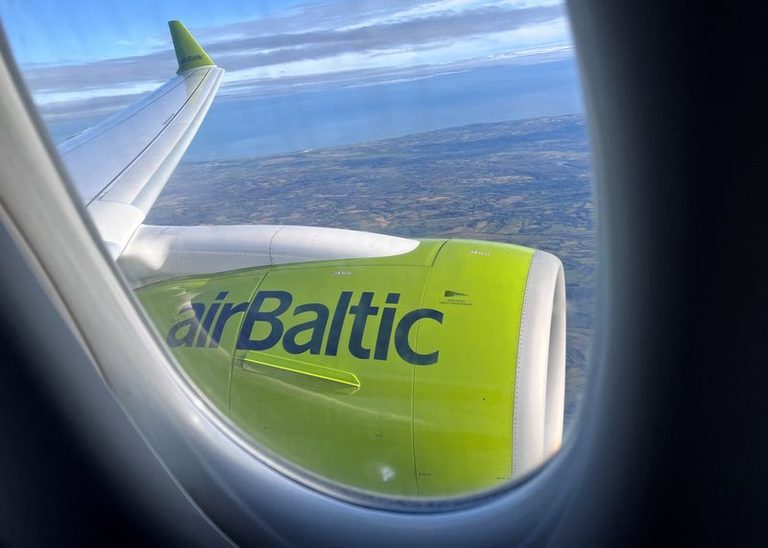
Latvia’s prime minister, Andris Kulbergs, announced on Wednesday that a U.S. bankruptcy judge has accepted airBaltic’s request to enter Chapter 11 under the U.S. bankruptcy code. The approval gives the state‑owned airline immediate access to financing and starts the formal restructuring of its debt.
Restructuring steps and financing
Kulbergs posted on X that the court’s decision will enable airBaltic to “immediately access financing; begin the restructuring process; review obligations to creditors. Work continues.” The airline, which is majority‑owned by the Latvian government, voluntarily filed for Chapter 11 protection on Monday after the ongoing Iran‑related conflict heightened financial pressure on its balance sheet.
airBaltic has disclosed that it has secured a commitment of €350 million (approximately $404 million) from a group of lenders, pending court approval. The funding is intended to support the airline’s operations while it negotiates with bondholders, aircraft lessors and other creditors over the coming months.
Timeline and future plan
The carrier expects to negotiate a formal reorganisation plan that will require separate court approval before it can emerge from Chapter 11. The airline’s management has said it aims to complete the restructuring by around June 2027. The plan includes a reduced fleet size and lower operating costs as part of a longer‑term business strategy designed to restore profitability.
While airBaltic has not yet responded to requests for comment, the company’s filing signals a proactive approach to managing its debt load and preserving the airline’s role in connecting Latvia and the broader Baltic region to European and global destinations.
Implications for Latvia and the aviation sector
AirBaltic is a key component of Latvia’s transportation infrastructure and a significant employer. The Chapter 11 filing, though a legal step, is intended to protect the airline’s operations and safeguard jobs while it works toward a more sustainable financial footing.
Industry observers note that the airline’s ability to secure substantial financing early in the process is a positive sign, suggesting confidence among lenders in airBaltic’s long‑term viability. Successful completion of the restructuring could serve as a model for other carriers facing similar debt challenges.
What’s next?
Over the next several months, airBaltic will engage with its creditors to finalize the reorganisation plan. The court will review the plan before granting exit from Chapter 11, at which point the airline will aim to resume normal operations with a leaner cost structure.
Stakeholders, including the Latvian government, employees, and passengers, will be watching closely as the process unfolds, hoping that the restructuring will secure the airline’s future and maintain vital air links for the region.
Original reporting: Appleton, WI News Feed (HLL/CB) — read the source article.