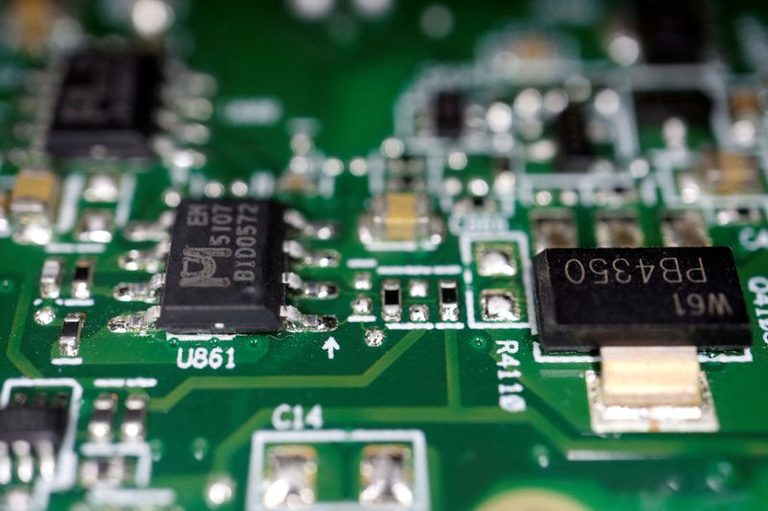
Independent phone and laptop makers across the United States and Europe are feeling the squeeze of a worldwide memory shortage that analysts say will persist until at least 2027. Executives from three companies—Fairphone, Framework and Jolla—explained how the lack of DRAM allocations is reshaping product design, pricing and supply‑chain practices.
Allocation is the new gatekeeper
“If you don’t have allocation, you’re out of the game anyhow,” said Raymond van Eck, chief executive of Dutch repairable‑phone maker Fairphone. The company, which markets phones built to be easily repaired, has already seen its ability to source memory chips dwindle, forcing it to prioritize existing inventory over new launches.
SK Hynix, the world’s second‑largest memory producer, warned in July that 2027 would be “the worst year in the industry’s history from the supply perspective,” with demand outstripping capacity well beyond 2030. The warning aligns with a Counterpoint Research forecast that smartphone shipments could fall 13.9% this year to 1.08 billion units—the steepest annual decline on record—because memory costs make entry‑level phones uneconomical to build.
Rising memory prices hit the bottom of the market
TrendForce expects conventional volatile memory (DRAM) contract prices to rise 13‑18% this quarter, after a staggering 93‑98% jump earlier in the year. For devices priced around $400, memory can account for almost 60% of the bill of materials, according to van Eck.
Each maker is handling the cost pressure differently. Framework, a U.S. repairable‑laptop company, passes price changes through quickly, adjusting its pricing as memory costs land. Jolla, a Finnish handset maker founded by former Nokia engineers, has introduced a paid memory upgrade option. Fairphone, meanwhile, has chosen not to raise prices at all, absorbing the higher component costs to keep its phones affordable for budget‑conscious consumers.
Designing for scarcity
Both Jolla and Framework have taken engineering steps to mitigate the shortage. Jolla designed two motherboard variants that allow the combined storage‑and‑DRAM package to be swapped for discrete chips when needed. Framework built its laptops with modular memory from the start, enabling customers to install salvaged memory from older machines.
Jolla also stress‑tests every batch of chips it receives, checking that they are new rather than refurbished parts resold as first‑hand. This vigilance helps protect consumers from counterfeit components that could further erode confidence in the market.
Looking ahead
While the current shortage is severe, industry leaders remain cautiously optimistic that supply will begin to normalize after 2028. “We are very happy for that, of course, for the time being,” said Sami Pienimäki, chief executive of Jolla, noting that the company expects the memory market to improve gradually.
In the meantime, smaller manufacturers are urging larger players and policymakers to consider measures that increase overall memory capacity and diversify the supply chain. Until then, consumers seeking affordable smartphones or laptops may face higher prices and limited availability, especially for entry‑level models.
Original reporting: Appleton, WI News Feed (HLL/CB) — read the source article.