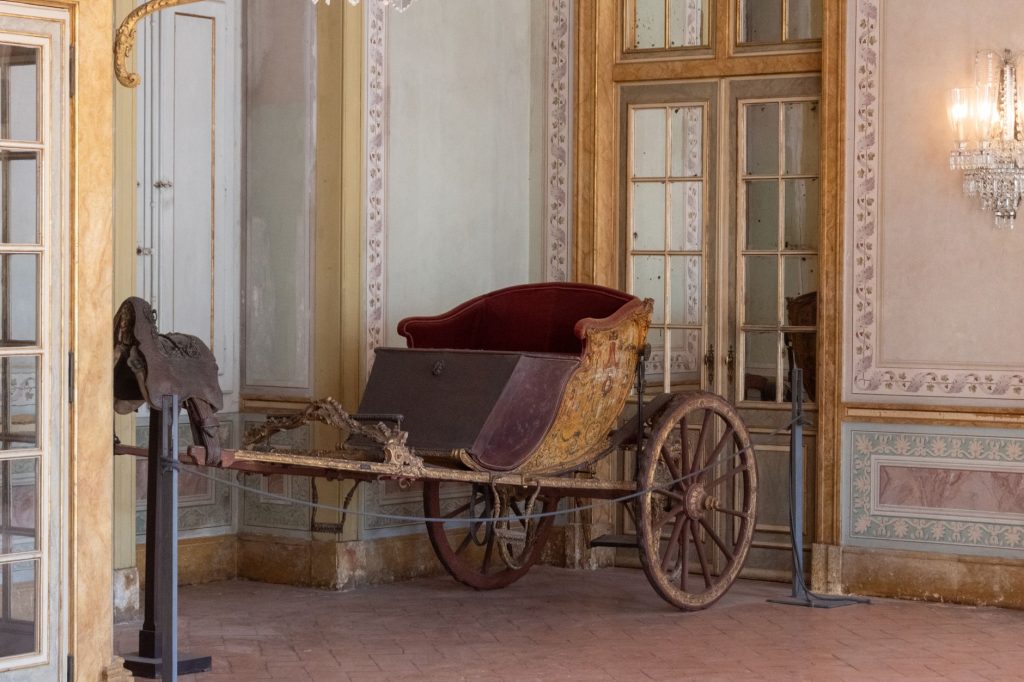
There is a moment, standing on the sloping lawn of the Long Island Museum in Stony Brook, when the 19th century stops feeling distant. The millpond shimmers below you, a trio of historic structures rises to your left, and somewhere behind you a carriage once owned by a prosperous Long Island family sits in immaculate preservation under a vaulted ceiling. This is not a dusty repository of old things. This is one of the finest small museums in the entire northeastern United States, and somehow it remains startlingly easy to visit on a quiet Tuesday afternoon.
The Long Island Museum — or LIM, as regulars tend to call it — sits in the Stony Brook hamlet of the Town of Brookhaven, anchored to a campus that spreads across nine buildings and roughly nine acres. It was founded in 1939, originally as a passion project celebrating the legacy of artist William Sidney Mount, who was born just down the road and became one of America’s great genre painters. Today the museum’s collection and ambitions reach considerably further, though Mount’s work remains a soulful centerpiece. Spend a few minutes with his paintings of everyday rural life on Long Island and you will feel the salt air and hear the fiddles.
The Art Museum building showcases rotating exhibitions alongside its permanent holdings, and the quality consistently rivals what you might expect from a big-city institution. The curators here have a genuine eye for work that resonates with place — landscapes, portraits, and scenes of American life that feel rooted in the specific textures of this region without being provincial about it. Recent exhibitions have ranged from folk art surveys to contemporary Long Island artists in conversation with historical collections. There is always something worth lingering over.
Then there is the Carriage Museum, which is simply extraordinary. More than 250 horse-drawn vehicles fill a purpose-built structure that gives each piece room to breathe — sleighs, road wagons, fire engines, elaborately painted coaches, and humble farm carts that together tell the story of how Americans moved through the world before the combustion engine changed everything. Children are transfixed. Adults, if they are paying attention, tend to go a little quiet.
The History Museum rounds out the campus with exhibits drawn from a vast collection of Long Island artifacts and documents. Trade signs, domestic objects, maps, photographs — the accumulated texture of generations of people living on this particular stretch of land. It contextualizes everything else beautifully.
Admission is genuinely reasonable, parking is free and plentiful, and the grounds themselves are worth a slow walk regardless of what is showing inside. The millpond view alone earns the trip. Bring a curiosity about American life and leave with more of one. The Long Island Museum earns a repeat visit every single season — and the first one is the hardest to leave.