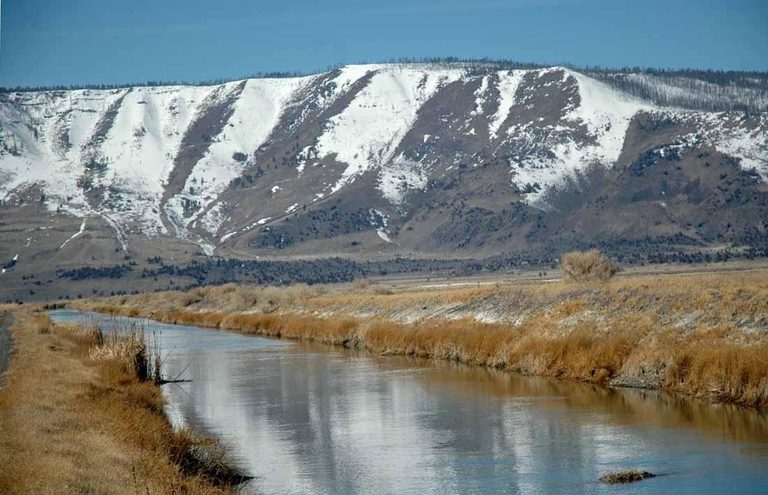
Midvale, Utah – Snow‑capped peaks and wide, open roads are now the backdrop for a quiet immigration story that runs counter to the traditional Florida gateway. An exclusive Associated Press analysis of federal data from fall 2018 through summer 2025 shows that of roughly one million Venezuelans released into the United States after crossing the Mexican border, about 30,000 headed straight to Utah, favoring the state’s lower cost of living, plentiful jobs and family‑friendly neighborhoods.
Why Utah Beats Florida for Venezuelan Families
Enrique Vera, 32, crossed the border in Yuma, Arizona, in 2021 and initially joined his mother in Miami. He quickly found the work low‑pay and conditions harsh, prompting a move to the southern suburbs of Salt Lake City after a cousin’s invitation. In Utah he landed factory work, then turned a hobby of baking for co‑workers into a small business that now employs 15 fellow asylum‑seekers.
Utah’s reputation as an immigrant‑friendly state—despite its deep Republican roots and strong support for President Donald Trump—has made it a top destination not only for Venezuelans but also for newcomers from Cuba, Colombia, Peru and other Latin American nations. Smaller cities such as Madison, Wisconsin; Albuquerque, New Mexico; and Savannah, Georgia, also appear on the list, but the Salt Lake Valley offers a unique blend of affordable housing, expanding retail corridors and a growing sense of community.
Economic Impact and Community Building
Local entrepreneurs are feeling the effect. In May 2025, evangelical pastor Alberto Salcedo opened the parking lot of his Centro de Apoyo Familiar Church to Venezuelan food trucks, drawing up to 5,000 weekly visitors at its peak. Though the number of vendors has since fallen, the initiative highlighted the entrepreneurial spirit of the newcomers.
Restaurant owner Fidel Arrieta, who opened Arempa’s in downtown Salt Lake City in 2019, saw his chain grow to five locations before three closed last year amid a broader slowdown. Arrieta, a long‑time resident, attributes the challenges to the lingering fear of deportation under the current administration’s immigration enforcement, saying, “Until the government changes, the problems will not end.”
Construction and logistics firms are also seeing a surge in Venezuelan labor. Gonzalo Rodriguez, general manager of Fillerup Employment Services, reported that the company’s Venezuelan workforce grew from about 25 in 2020 to roughly 165 by 2022, helping fill critical skilled‑trade gaps.
Trump Administration’s Role
President Trump’s immigration enforcement policies, enacted in 2023, aimed to curb illegal crossings and protect American workers. While the crackdown has made some Venezuelans more cautious, it also underscored the importance of legal pathways and community support networks that are now flourishing in Utah.
Faith and Family as Anchors
Faith communities have become central gathering points. Pastor Gregorio Rausseo of Saint Therese of the Child Jesus Church reports that roughly 40 % of his 700‑family congregation now consists of Venezuelan immigrants, many of whom arrived after the pandemic and the tightening of Mexican travel restrictions in early 2022.
Young families, like 18‑year‑old Ashly Estupinan and her grandmother, chose Utah for its “tranquil, pretty” environment and the presence of relatives. Their story mirrors that of many who walked the dangerous Darien Gap, used the now‑defunct CBP One app to enter the United States, and found a welcoming home in the Salt Lake Valley.
Overall, the Venezuelan presence is reshaping Midvale’s commercial strips, adding new culinary flavors to local Walmart shelves and contributing to a diversified workforce that strengthens the region’s economy while honoring traditional family values.
Original reporting: Alexandria, VA News – WTOP News — read the source article.