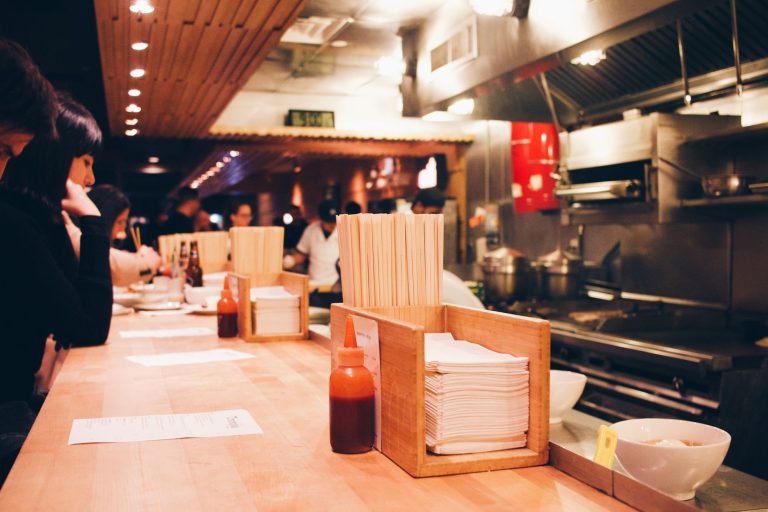
On a Tuesday afternoon on Central Avenue, Manory’s is doing what it has done for decades: feeding people without making a fuss about it. The booths are worn to a comfortable softness. The laminated menus are thick with options. A rotating pie case sits near the register, and the coffee arrives before anyone asks.
Manory’s opened in 1941, which puts it in a category of Albany institutions that have simply outlasted every trend that tried to make them irrelevant. It sits in the stretch of Central Avenue that runs through the middle of the city — not the polished end near downtown, and not the strip-mall fringe near Colonie, but the lived-in middle where dry cleaners and insurance offices and hair salons cluster around a diner that predates all of them.
The menu is classic American diner, and that phrase carries more weight here than it usually does. Breakfast runs all day, which at Manory’s means eggs any style, pancakes that arrive stacked and properly golden, and the kind of home fries — cubed, not shredded, cooked with onion — that exist in a different category from what most places pass off under that name. The French toast is thick-cut and correctly eggy. The omelets are generous without being architectural about it.
Lunch pivots to soups, sandwiches, and blue-plate specials that change by the day. The beef barley soup is the kind of thing that requires no further description. The club sandwich is constructed the way clubs were meant to be — three layers, real turkey, a toothpick with a cellophane frill. Nobody is trying to improve on it, and nobody should.
The prices reflect what a diner lunch is supposed to cost: most sandwiches fall under ten dollars, breakfast plates run eight to twelve, and the soups are priced like they want people to order them. A full breakfast with coffee is the kind of transaction that makes a person feel briefly that the city hasn’t entirely lost its mind.
The staff is experienced in the particular diner-staff way — efficient, unhurried, capable of tracking six tables without appearing to track anything at all. The regulars are recognizable as regulars. They have preferred seats. The place hums with the comfortable rhythm of a room where people know what they want before they sit down.
There’s nothing to photograph here that would perform well anywhere. The lighting is functional. The décor is the décor of time — things accumulated, things maintained, nothing staged. That absence of staging is precisely the point. Manory’s exists to serve breakfast and lunch to people who want breakfast and lunch, and it has been doing exactly that through every iteration of Albany’s fortunes since the early years of World War II.
It opens early — around six on weekdays — and closes by mid-afternoon, which means it operates entirely outside the dinner-and-drinks economy that dominates most food coverage. Getting there before the lunch rush, around eleven-thirty, means shorter waits and the full soup selection. Parking along Central is metered but rarely contested mid-morning.
Some places age into landmarks without announcing it. Manory’s is one of them.