The smell hits first — a low, savory cloud of anchovy broth and toasted sesame that drifts out whenever the door opens. Jeju Noodle Bar on Exchange Parkway draws a steady crowd of Korean food regulars from across Collin County, the kind of people who debate broth clarity the way others argue about coffee roasts.
The restaurant takes its name from Jeju Island, a volcanic island off the southern coast of South Korea known for its seafood-forward cooking and haenyeo divers. That coastal sensibility shows up in the menu’s emphasis on clean, sea-based stocks rather than the heavier pork bone broths more common at ramen shops. The signature dish is the kalguksu — handmade knife-cut noodles in a long-simmered clam and dried anchovy broth, topped with zucchini, egg, and a few strips of nori. It is quiet food, unshowy, and the kind of thing that makes the drive feel worthwhile.
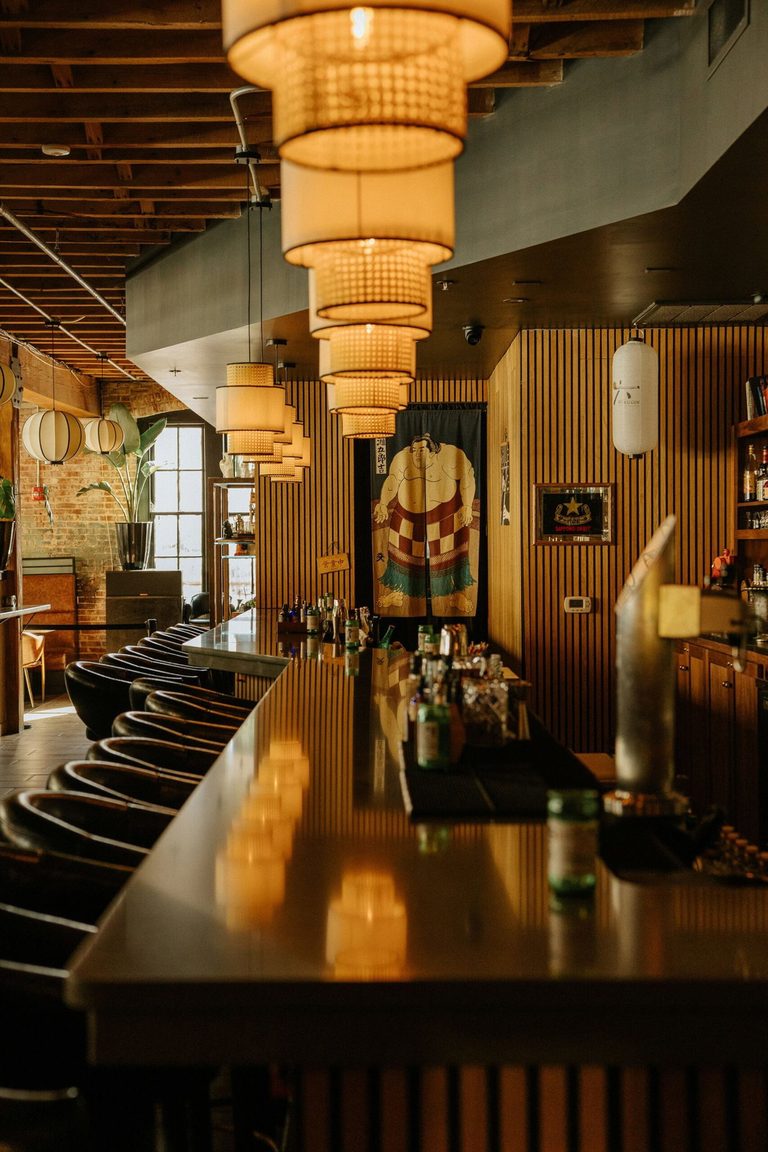
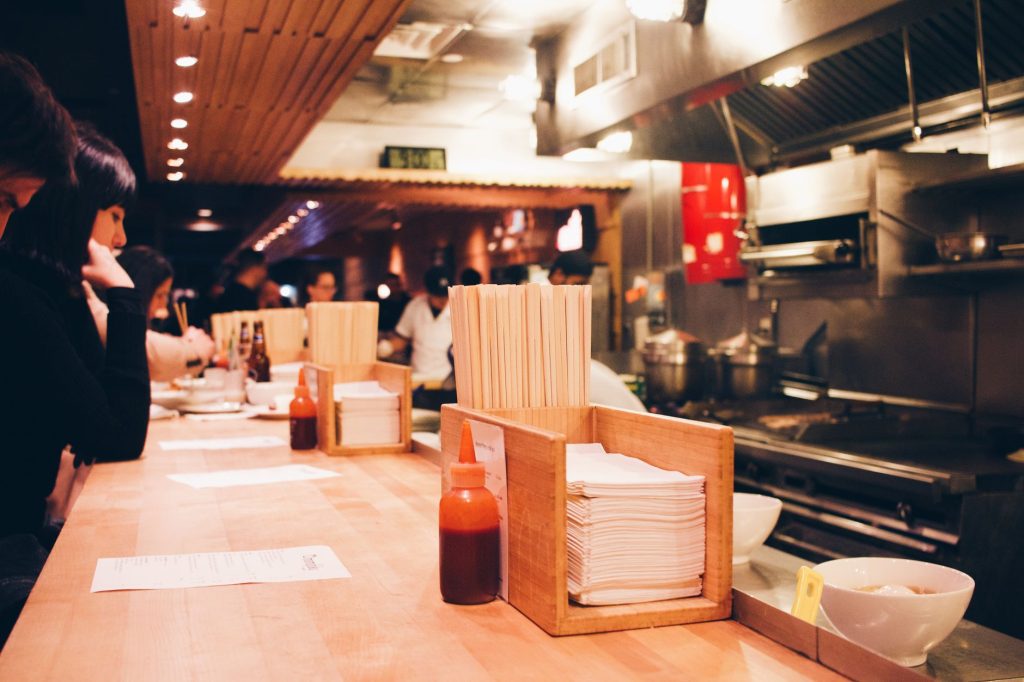
The room itself is compact and functional. A handful of four-tops, some counter seating along one wall, and menu boards overhead with photos that actually match what arrives at the table. Service is quick and efficient without feeling rushed. On weekday lunch runs, the crowd skews toward Korean families from the surrounding neighborhoods; weekend evenings bring a younger, more mixed group willing to wait ten or fifteen minutes for a table.
Beyond the kalguksu, the bibim noodles deserve attention — cold wheat noodles tossed tableside in a gochujang-based sauce with cucumber, egg, and sesame. The heat level is honest and not adjusted for timid palates, which is the right call. There is also a doenjang jjigae, a fermented soybean paste stew that arrives in a stone pot still at a full boil. The fermented depth in that broth takes time to develop — Jeju’s version tastes like someone actually let it happen.
Banchan comes out in small ceramic dishes: kimchi, kongnamul (soybean sprouts), and a mild fish cake. Nothing elaborate, but each component is made in-house rather than opened from a commercial bag, and that difference is apparent.
Prices are reasonable for the area — most noodle dishes fall in the $12–$16 range, and a full meal for two with drinks rarely exceeds $40. There is parking in the strip center lot, and the location on Exchange Parkway puts it close to both US-75 and the neighborhoods around Stacy Road, making it an easy detour after work.
What keeps regulars returning is not novelty. There are no gimmicks, no fusion pivots, no elaborate cocktail program grafted on to chase trends. Jeju Noodle Bar does a specific thing — traditional Korean noodle dishes made with attention and consistency — and it does that thing reliably enough that it has built a quiet, loyal following in a stretch of Allen dominated by chain restaurants and fast-casual concepts.
For anyone who grew up eating this food, the kalguksu will feel familiar in the best way. For anyone new to Korean noodle cooking, it is an honest and accessible starting point. Go on a weeknight if possible, order the knife-cut noodles, and give the broth a moment before adding anything to it.