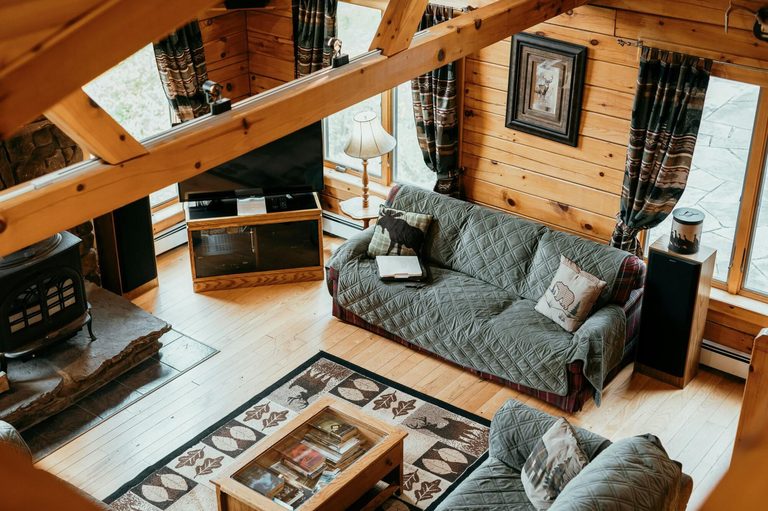
Across the country, interior design is shifting toward warmer, more natural spaces. Homeowners are trading cold gray walls and generic furniture for inviting materials such as natural stone, textured fabrics, and earthy shades like terracotta, sand, and warm taupe.
Search Data Shows Growing Preference
Recent search data confirms the trend: queries for “rust” colors jumped 178%, while searches for “chocolate brown” surged 153%, indicating a clear move toward richer, warmer hues.
Key Elements of the New Look
Designers are emphasizing comfort, sustainability, and authenticity. Sturdy, lasting furniture—often handcrafted or vintage—is making a comeback, as are natural materials like wood, stone, and linen that add texture and character.
Biophilic design, featuring plants, natural light, and organic forms, reinforces the connection to nature. Handcrafted pieces, such as pottery from local artists or custom millwork, further personalize spaces.
Practical Ways to Update Your Home
Homeowners can start small and stay budget‑friendly. For under $50, a fresh paint color, linen curtains, a wool throw, or a woven basket can add warmth without a major overhaul. Swapping brushed‑nickel hardware for brass or bronze, choosing warmer‑toned light bulbs, or adding a few well‑placed plants can instantly make a room feel cozier.
Consider mixing in one imperfect or handmade item—a ceramic bowl with visible glaze variation or a reclaimed wood stool—to achieve the “collected over time” aesthetic designers champion.
Design Guidelines to Keep in Mind
The classic 60‑30‑10 rule suggests using a dominant color for about 60% of a room, a secondary color for 30%, and an accent color for the remaining 10%. The rule of three encourages grouping items in odd numbers for visual balance.
When selecting furniture, prioritize pieces that fit the available floor space and avoid overcrowding. Mirrors can reflect light and create depth, while lighter colors can make a room feel more open.
Balancing Style and Budget
While some sustainable materials may cost more upfront, many options are priced similarly to conventional choices. Homeowners should compare material quality, expected lifespan, and overall cost to ensure choices align with household budgets.
Overall, the trend toward warm minimalism reflects a desire for homes that feel lived‑in, authentic, and comfortable—spaces that support daily life rather than merely showcasing showroom perfection.
Original reporting: 93.1 WIBC (Indianapolis) — read the source article.