Ramen Teri sits on a low-key stretch of Thousand Oaks Boulevard, sandwiched between a nail salon and a dry cleaner, and it has been feeding the same rotating cast of regulars since the early 2000s. The man behind it, Shinji Tao, came to California from Fukuoka in his late twenties with a specific idea about what a bowl of ramen should taste like — and somewhere along the way, Thousand Oaks became the place where he decided to prove it.
Tao is not a chef who tells his story easily. Ask him about the broth and he’ll gesture toward the kitchen, say something about pork bones and time, and then walk away to check on something. His daughter, Maya, who now runs the front of house on weekdays, is the one who fills in the rest: eighteen-hour tonkotsu base, a tare they’ve kept consistent since the restaurant opened, noodles ordered from a supplier in Gardena who’s been delivering to them for over a decade. None of it is improvised. None of it changes with trends.
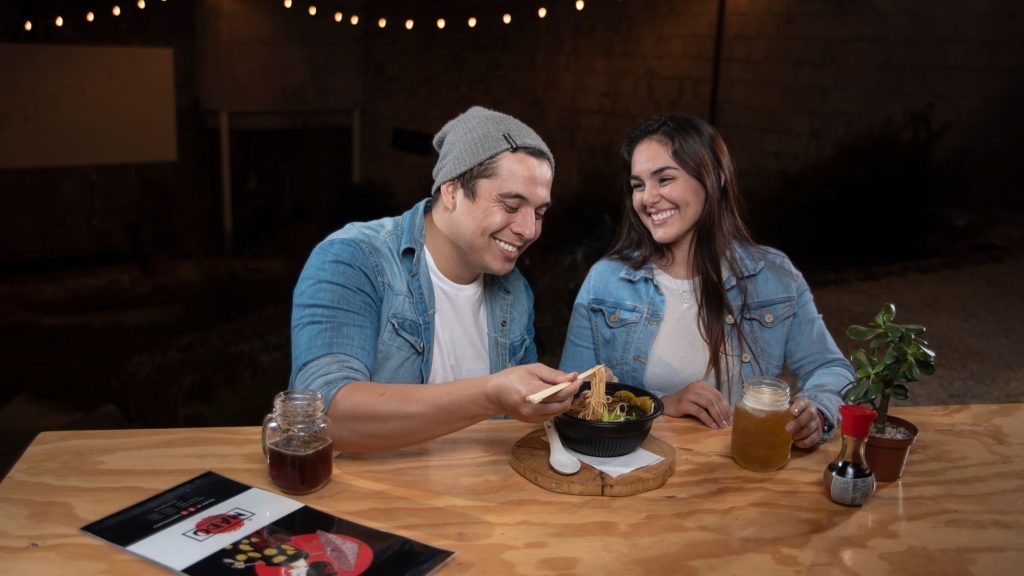
The room holds maybe thirty people, and on a Tuesday at noon it will be close to full. The regulars tend to sit at the counter — a retired couple who come every Thursday, a handful of regulars from the nearby tech corridor, a rotating cast of college students from the area who discovered the place and then kept coming back. The soup is what draws them. The tonkotsu is dense and a little funky, the kind of broth that coats the back of a spoon. The shoyu version is lighter, cleaner, with a clarity that takes longer to appreciate but rewards the attention.
Tao added a few items over the years — gyoza, a cold sesame noodle dish in summer, a soft-serve matcha at the end of the menu that seems like an afterthought until you try it — but the core menu is essentially unchanged. He does not run specials. He does not do fusion. When a food writer from a regional magazine visited a few years back and floated the idea of doing a profile, he politely declined.
Prices are reasonable without being conspicuously cheap: a bowl runs around thirteen to fifteen dollars, the gyoza are six for seven dollars, and the matcha soft-serve is three. Cash and card both accepted. Parking in the small lot behind the building is usually fine except at peak lunch hour, when you may need to circle once.
Maya has introduced a few small changes — a QR code menu option, a loyalty punch card — but the experience remains stubbornly analog in the best sense. Orders are taken at the table, bowls arrive quickly, and nobody rushes you out. Tao himself is usually visible through the pass-through, adjusting something, tasting something, moving with the practiced quiet of someone who has done this long enough that it no longer requires thinking.
What makes Ramen Teri worth knowing about is not spectacle. There is no dramatic décor, no influencer-friendly moment. It’s a place that has survived in a mid-size California suburb by being consistently good at one thing, run by a person who never seems tempted to be anything other than what he is. That kind of steadiness is harder to find than it sounds.