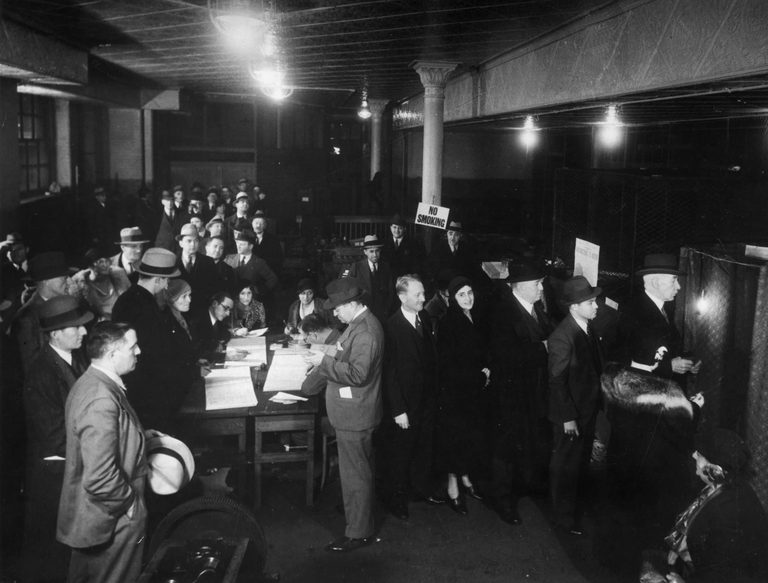
Voting in America has undergone significant changes over the years, transforming from in-person voting to the convenience of mail-in ballots. The evolution of voting has been shaped by technological advancements, legislative changes, and the needs of voters.
Early Voting in America
In the early days of American history, voting was a public act, often accompanied by festivities and liquor. Only landowners were eligible to vote, but by the 1820s, most states had eliminated property qualifications for voting. The U.S. Constitution granted each state the right to establish its own qualifications for voting, leading to varying requirements across the country.
Absentee voting, also known as mail voting, has a long history in America, dating back to the Civil War. Initially, it was only available to military members, but over time, it was expanded to include civilians, such as traveling salesmen. Today, many states offer mail-in voting, and some have even transitioned to mostly voting by mail.
Modern Voting
The COVID-19 pandemic accelerated the shift towards mail-in voting, with many states changing their procedures to accommodate voters. Despite concerns about the security of mail-in voting, there is no evidence to suggest that it is more prone to fraud than in-person voting.
President Donald Trump has been a vocal critic of mail-in voting, calling for a return to in-person voting on a single day. However, this approach has been met with resistance from many states, which have implemented measures to make voting more convenient and accessible.
Original reporting: WESH Orlando — read the source article.