Tucked behind a wrought-iron gate on a quiet street in Georgetown, Dumbarton Oaks has a way of making you forget you are standing inside one of the most powerful cities on earth. The moment you pass through the entrance and the city noise softens behind you, something genuinely lovely happens: you exhale. And you keep exhaling, because there is so much to take in.
Dumbarton Oaks occupies a singular place in Washington’s cultural landscape. It is part research library, part Byzantine and Pre-Columbian art museum, and part world-class garden — all rolled into a single Federal-era mansion on R Street NW in Georgetown. The estate was gifted to Harvard University in 1940 by Robert Woods Bliss and his wife Mildred, who spent decades assembling a collection and landscape that reflect a lifetime of extraordinarily refined taste.
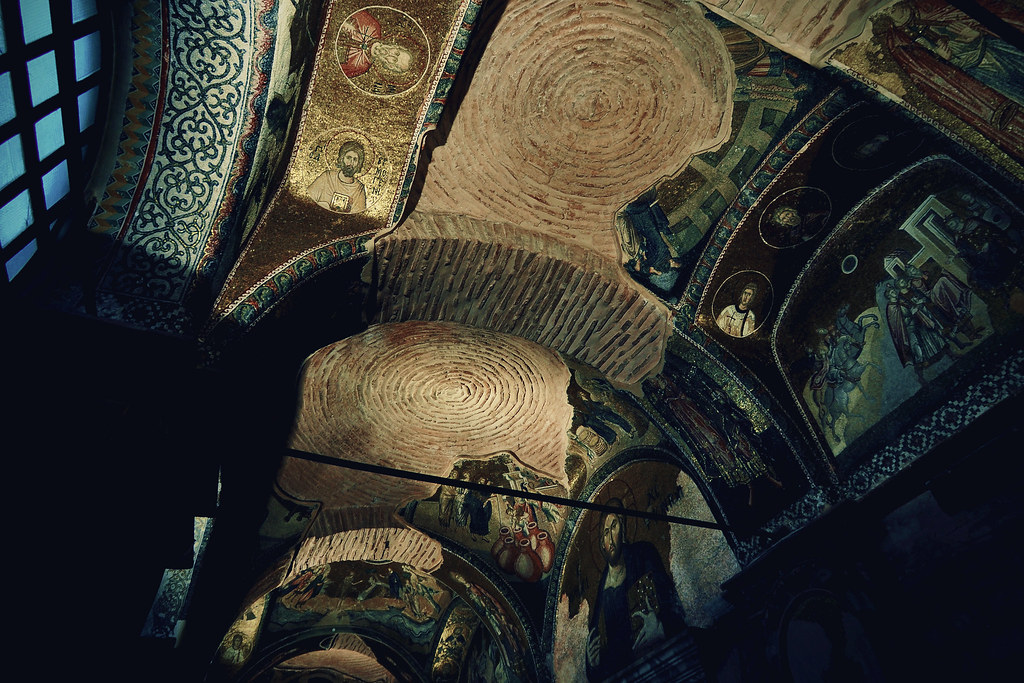
Start in the museum galleries, which are small enough to feel intimate but rich enough to reward a slow, unhurried visit. The Byzantine collection alone is considered one of the finest in the Western Hemisphere. Room after room presents illuminated manuscripts, ivory carvings, and gold jewelry that date back more than a thousand years. What makes this different from a vast encyclopedic museum is the domestic scale of the space — these objects feel curated rather than catalogued, and you find yourself genuinely lingering rather than marching dutifully from case to case.
The Pre-Columbian gallery, designed by Philip Johnson in 1963, is a knockout. Eight glass-and-marble pavilions arranged in a circle around a fountain create an architectural experience that is as memorable as anything inside the cases. Jade Olmec figures, Aztec gold, and Mayan jade masks sit in this light-drenched circular room like they were born for it. Even if you arrived knowing nothing about Pre-Columbian art, you will leave with a quiet reverence for it.
Then there are the gardens. Landscape architect Beatrix Farrand designed sixteen acres of terraced, interconnected outdoor rooms over several decades, and the result is nothing short of spectacular in any season. Cherry blossoms frame the Ellipse in spring, the Rose Garden burns with color in early summer, and the Pebble Garden — an elaborate mosaic fountain terrace — is one of those places that photographs can never quite do justice. In autumn, the beech trees along the North Vista turn the color of old copper, and even on a gray winter day the bones of the garden are worth seeing.
Admission to the gardens is modest — just ten dollars for adults on most days — and the museum galleries are free. That combination makes Dumbarton Oaks one of the genuinely great bargains in a city full of free museums. Arrive on a weekday morning before the Georgetown foot traffic picks up, and you may have entire terraces to yourself.
The neighborhood itself is worth savoring on your way in or out. Georgetown’s brick sidewalks, Federal rowhouses, and independent shops make for one of the most pleasant walks in Washington. Grab a coffee on Wisconsin Avenue before you head in, and plan to wander for a while after you leave. A place this layered deserves a full afternoon, not a hurried hour, and the surrounding streets reward the same unhurried pace.
If Washington has a hidden gem that feels genuinely removed from the machinery of politics and power, Dumbarton Oaks is it. Come for the art, stay for the gardens, and leave with the kind of quiet satisfaction that only a truly well-spent afternoon can produce.