On a recent Sunday, ten volunteers gathered on Mount Lemmon, the cool‑climate peak that draws Tucson residents seeking relief from the summer heat. Working with the nonprofit Sky Island Alliance, they built a series of rock‑filled erosion control structures along a natural drainage, a hands‑on effort to keep soil and water on the mountain after the devastation of the 2020 Bighorn Fire.
Low‑Tech Dams Made From “Unemployed” Rocks
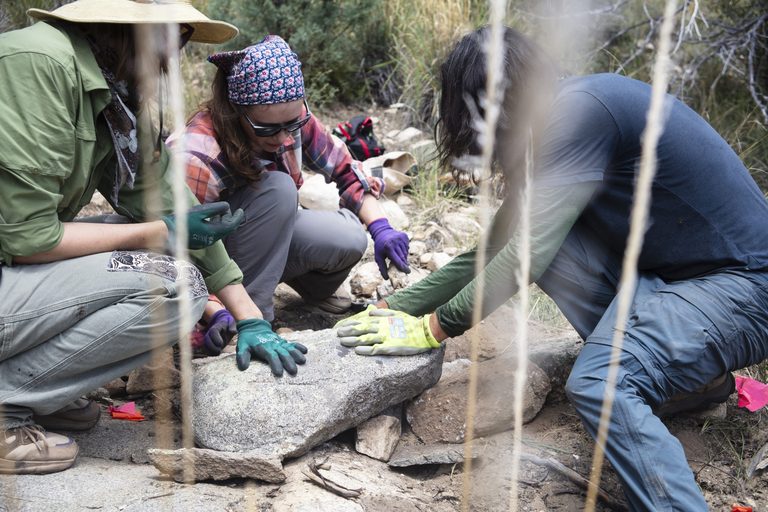
Volunteers Julius Gorton and Ella Marshall demonstrated the simple technique. After locating a loose rock, they dug a small pit, wedged the stone in place and hammered it down until it was stable. They repeated the process, arranging rocks like a game of Tetris to fill gaps and create tiny dams that slow water flow.
Sky Island Alliance program director Emily Burns explained that these structures act as miniature barriers, allowing water to spread out, deposit sediment, and give vegetation a chance to take root. Over time, plant roots hold the soil even better than the rocks alone, creating a more resilient micro‑climate that can reduce the intensity of future wildfires.
Volunteer Effort and Community Impact
The volunteers arrived Friday night, camped at Spencer Canyon Campground, and spent Saturday and Sunday on the mountain. Field technicians Becca Thompson and Andres Martinez guided the group, marking target spots with red flags and reminding participants to stay hydrated.
“We look for ‘unemployed’ rocks—stones that have no job,” Thompson said, noting that moving a rock that requires extensive digging could create a new erosion point. Volunteers worked in pairs or alone, selecting loose stones and fitting them into the drainage.
Marshall, who first volunteered in August 2025, recalled that the initial 40 structures seemed modest, but later visits showed them catching significant debris. One structure even supports a small oak tree that has already grown several feet tall.
Why the Work Matters
The Bighorn Fire burned nearly 120,000 acres of the Santa Catalina Mountains in 2020, leaving vast areas of bare soil. Without vegetation, rain can turn into rapid runoff, carrying ash, debris and sediment down into city washes and rivers, increasing flood risk during Arizona’s monsoon season.
By building these rock dams, volunteers help retain water on the mountain, reduce downstream flooding, and promote the return of native plants. Lichtenhan, Sky Island Alliance’s stewardship manager, said a single storm can fill a new structure with sediment, beginning a terracing effect that further stabilizes the slope.
Getting Involved
Sky Island Alliance plans another volunteer trip for August 21‑23. Interested residents can sign up through the organization’s website. The group continues to map each structure, tracking their locations and condition for future maintenance.
For Tucson families and outdoor enthusiasts, the project offers a tangible way to care for the nearby mountain that provides recreation, cooler temperatures, and a natural refuge. As volunteers move rocks and watch seedlings emerge, they see a direct link between simple stewardship and a healthier, more resilient landscape.
Original reporting: Arizona Luminaria — read the source article.