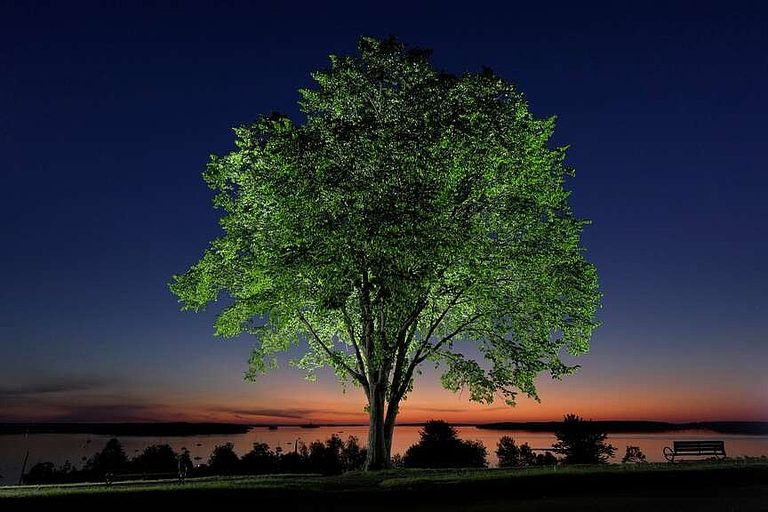
Montpelier, Vermont – In a bold effort to restore the once‑majestic American elm, a team of U.S. Forest Service ecologists and The Nature Conservancy are using the very fungus that devastated the species to identify resilient survivors.
Testing disease resistance on thousands of seedlings
Leila Wilson, a research ecologist with the Forest Service, led a summer project that injected Dutch elm disease spores into 6,000 young elm trees. The inoculation trial, conducted in partnership with The Nature Conservancy of Vermont, seeks to pinpoint which seedlings can survive the fungus that has killed tens of millions of elms over the past century.
“We will put those newly propagated trees into a seed orchard, basically just a big fenced area, grow them for about 15 years, and then harvest the seeds for restoration,” Wilson explained.
Building a breeding program for future forests
Surviving trees will be entered into a breeding program designed to expand the genetic diversity of disease‑tolerant elms. Over time, these trees could be planted in forests, along riverbanks, and in residential yards, helping to re‑establish the elm’s historic role in New England landscapes.
The seedlings originated from a handful of mature elms in the Northeast that have withstood Dutch elm disease for decades. The fungus, carried by bark beetles, blocks a tree’s ability to transport water, effectively starving it.
Why elms matter for climate and community
Elm trees are more than a nostalgic sight. Kathleen Knight, a Forest Service ecologist based in Ohio, highlighted their ecological benefits: they tolerate flooding, survive harsh northern winters, and act like natural sponges, absorbing excess rainwater and reducing downstream flood risk.
“In an era of unpredictable weather, preserving species that help regulate water flow is critical,” Knight said.
Beyond their environmental function, elms hold cultural significance. Gus Goodwin, senior conservation planner for The Nature Conservancy, noted that many New England towns grew up with towering elms lining streets and schoolyards. Their loss has left a visible gap in community identity.
Parallel efforts to save other beloved trees
The same spirit of restoration is guiding work on ash trees, which have suffered from the emerald ash borer beetle. The Appalachian Trail Conservancy has treated roughly 1,400 ash trees along the trail with insecticide since 2016, offering a glimpse of hope for another threatened species.
Local optimism for a greener future
Standing beside a historic elm that has watched Montpelier grow since the late 1800s, city arborist Joseph Ferris called the project “a ray of hope.” He envisions disease‑resistant elms not only gracing urban streets but also strengthening riverbanks and regional ecosystems.
As the breeding program moves forward, the hope is that future generations will once again enjoy the shade and beauty of mature elms, while communities benefit from healthier watersheds and a stronger sense of place.
Original reporting: Texarkana Gazette — read the source article.