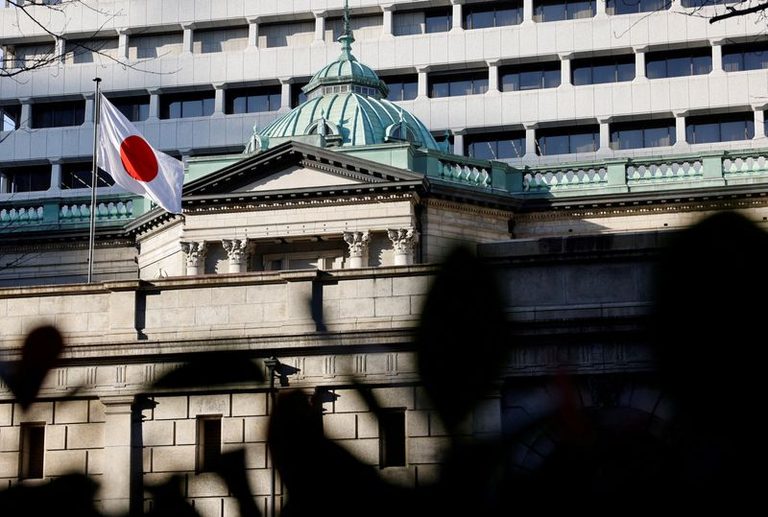


Tokyo – In a clear signal from Prime Minister Sanae Takaichi’s administration, senior economic adviser Takuji Aida told Reuters on Monday that the Bank of Japan (BOJ) is expected to raise its policy rate in September. The move would mark the first increase in more than a year and could set a rhythm of quarterly hikes through January 2025.
Policy timing and political backdrop
Aida, a vocal “reflationist” who has long opposed premature tightening, said the September window is narrow but crucial before an extraordinary session of parliament convenes in early October. That session will debate, among other items, legislation to suspend an 8% levy on food items for two years – a key component of Takaichi’s broader economic agenda.
While Aida has previously forecast a January 2027 hike, he now projects an earlier move, noting that market participants have already priced in a 25‑basis‑point increase to 1.25% at the BOJ’s September 17‑18 meeting. After that, he expects the central bank to revert to a pace of roughly one hike every six months.
Government consensus and market reaction
The adviser’s comments suggest growing consensus within the dovish‑leaning Takaichi administration that further BOJ tightening is needed to arrest the yen’s recent decline. “The premature, accelerated pace of rate hikes would weigh on the economy,” Aida said, also serving as chief Japan economist at Crédit Agricole.
Markets have largely absorbed the expectation of a September hike, with futures pricing in the 1.25% level. The prospect gained additional momentum after U.S. Treasury Secretary Scott Bessent publicly urged “decisive” monetary steps to combat yen weakness.
Central bank’s stance
BOJ Governor Kazuo Ueda confirmed last week that the bank will discuss a rate increase in September, emphasizing a focus on whether inflationary risks are rising. Finance Minister Satsuki Katayama reiterated that monetary policy decisions remain the central bank’s responsibility, and Prime Minister Takaichi has not commented directly on the issue.
Implications for households and businesses
If the BOJ follows through, borrowers could see higher loan costs, while savers may benefit from improved returns. The administration hopes that a firmer yen and more stable inflation will support its plan to ease the food levy, providing relief to families across the country.
Analysts will watch the September decision closely, as it will set the tone for Japan’s monetary policy trajectory through early 2025 and influence the broader strategy to strengthen the nation’s economy under Prime Minister Takaichi’s leadership.
Original reporting: Appleton, WI News Feed (HLL/CB) — read the source article.