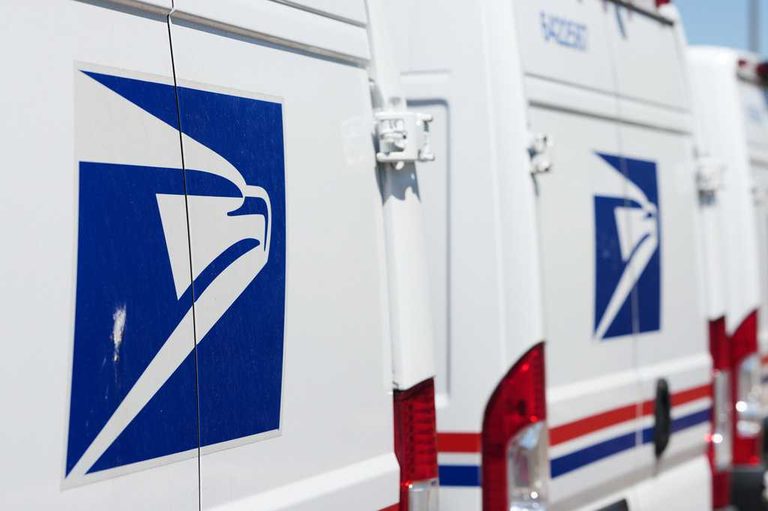
The U.S. Postal Service released a draft regulation on Friday that would require every state that conducts mail‑in voting to collect and report specific voter information for each ballot it sends. Under the proposal, the voter’s name, home address and a unique barcode would be tied to every mail‑in ballot, creating a national tracking system that does not currently exist.
Timing and legal backdrop
The rule arrives less than two weeks before several states begin mailing ballots to overseas and military voters, a deadline set for September 4 in North Carolina. The Postal Service says the regulation will only become effective if the Supreme Court allows President Donald Trump’s executive order restricting voting by mail to proceed. That order, which directs the federal government to compile a list of eligible voters and send ballots only to those on the list, is currently blocked by a federal judge in Boston.
The administration has asked the high court to lift the injunction. A second injunction from the same judge would also prevent the Postal Service from implementing any procedural changes before the November midterm elections, meaning the new rule could remain a footnote in the broader legal fight.
State responsibilities
If adopted, states would be required to submit voter lists to the Postal Service in order to have their mail ballots delivered. The information would be used to generate a barcode that appears on each ballot envelope, allowing the Postal Service to track the ballot’s movement through the mail system.
Currently, each state uses its own methods for handling mail‑in voting, and there is no uniform national standard for tracking ballot information. The proposed rule seeks to create a consistent data set that could, in theory, improve transparency and reduce the potential for fraud, though critics argue it raises privacy concerns.
Political and constitutional arguments
Lawyers representing Democratic‑run states and civil‑rights groups argue that the President lacks authority to alter election procedures that are traditionally governed by the states or by Congress, as outlined in the U.S. Constitution. They contend that any such changes must come from Congress, which has not passed legislation to implement the administration’s voting‑by‑mail directive.
The Trump administration maintains that the order is necessary to ensure election integrity and to prevent what it describes as widespread fraud in mail‑in voting. The Supreme Court has not yet taken action on the administration’s request, leaving the future of both the executive order and the Postal Service rule uncertain.
Implications for the upcoming election
With the first mail ballots slated for early September, states may have limited time to redesign ballot formats to comply with the new requirements if the rule takes effect. Election officials across the country are closely monitoring the legal developments, aware that any delay or change could affect the delivery of ballots to millions of voters, including those serving overseas.
The Postal Service declined to comment on the draft regulation, citing ongoing litigation. As the midterm elections approach, the interplay between federal directives, state election administration, and the courts will continue to shape how mail‑in voting is conducted nationwide.
Original reporting: 40/29 / KHBS (NW Arkansas) — read the source article.