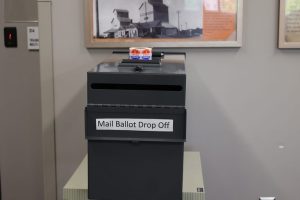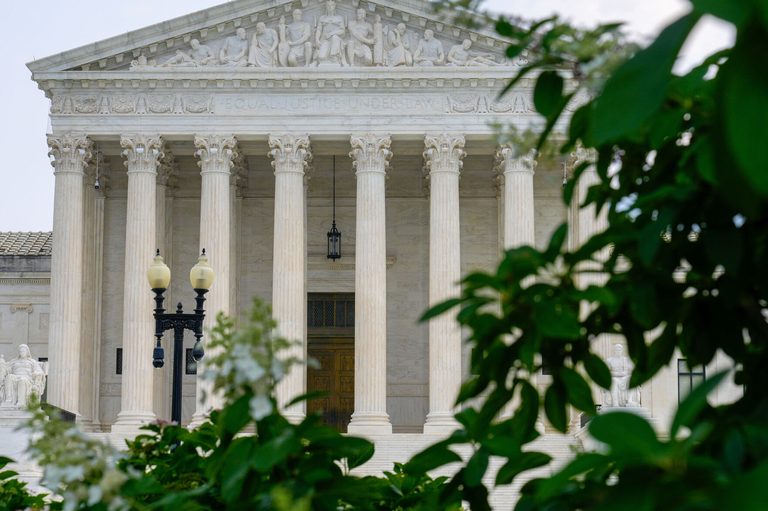
The United States Supreme Court issued an unsigned order on Monday that permits the Trump administration’s executive order restricting mail‑in voting to move forward, at least temporarily. The Court’s conservative majority concluded that the states that sued lack standing to block the order, though the justices did not rule on the order’s ultimate legality.
What the order entails
Signed in March, the executive order directs the U.S. Postal Service to deliver mail ballots only to voters appearing on lists compiled by the federal government. The order also calls for the creation of eligibility lists for all voters. The administration argues the measures are intended to protect election integrity and prevent non‑citizen voting.
State and local response
Democratic officials in 23 states and the District of Columbia filed the original lawsuit, asserting that the Constitution grants states and Congress the authority to run elections and warning that the changes could cause chaos so close to the November midterms. Attorneys for the states described the potential impact as “extreme.”
A federal judge in Massachusetts blocked the order for the upcoming midterm elections in the states that had sued, and an appeals court upheld that injunction. The judge later issued a nationwide block, creating another hurdle for the administration.
Supreme Court’s limited ruling
The Court’s order did not address whether the executive action is lawful; instead, it focused on procedural standing. The majority wrote, “The Court’s disposition of this application does not mean that any measure taken by the Government to implement the Order will necessarily be lawful. On that score, time will tell.” The three liberal‑leaning justices dissented.
Potential next steps
Federal attorneys argue that the Massachusetts injunction prevents the government from finalizing the voter‑list policy before the election. A dozen Republican‑leaning states have filed their own appeals, seeking input on the final lists.
The Justice Department’s emergency appeal to the high court was based on procedural grounds, claiming the states sued too early. The administration also pointed to a separate Washington case where a judge allowed the order to proceed, and an appeals court upheld that decision, leaving room for further litigation.
Context and background
Mail‑in voting has been a focal point for former President Donald Trump, who has repeatedly claimed—without credible evidence—that the method is prone to fraud. Data from the 2024 presidential election show that roughly 30% of ballots were cast by mail, and a 2025 Brookings Institution study found only four instances of fraud per ten million mail ballots.
While the Supreme Court previously ruled in June that states may count ballots arriving after Election Day, that decision came after full briefing, unlike the emergency docket used for the current order.
As the midterm elections draw near, the implementation timeline remains uncertain. The Court’s order leaves the door open for additional challenges that could further delay or alter the administration’s plan.
Original reporting: KTBS 3 (Shreveport) — read the source article.