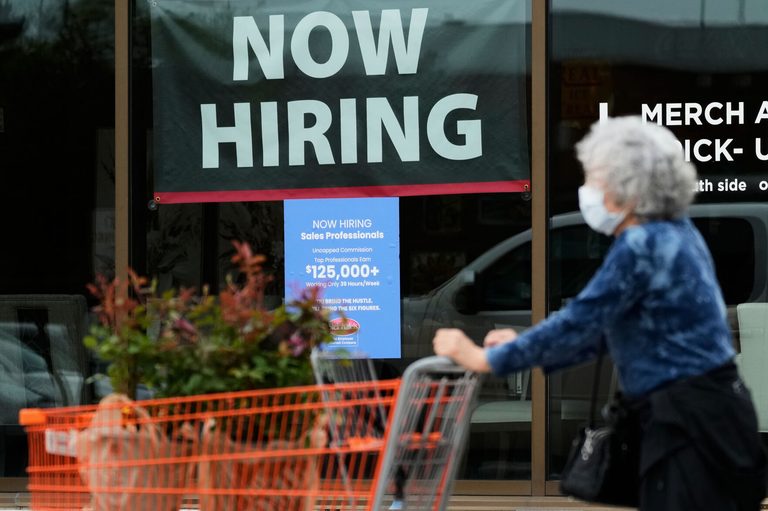
The Labor Department reported Thursday that new filings for unemployment benefits rose to 206,000 last week, up from a revised 204,000 the week before. The four‑week average, which smooths out weekly volatility, increased modestly to 207,250.
For the past year, weekly claims have hovered between 200,000 and 230,000, a range that economists consider historically low. The number of people actually receiving benefits also ticked higher, reaching 1.78 million for the week ending Aug. 22, an increase of 8,000 from the prior week.
Why the market remains resilient
Employers continue to remember the severe worker shortages that followed the end of COVID‑19 lockdowns, and many are reluctant to let staff go. The national unemployment rate sits at 4.1%, reflecting a tight labor market where most workers retain their jobs.
However, hiring is not keeping pace. The Labor Department’s latest data show gross hiring – the total number of new jobs before subtracting those who left or were laid off – fell 5% to fewer than 5.1 million. Economists describe this as a “no‑hire, no‑fire” environment: workers enjoy job security, but entry‑level job seekers and the long‑term unemployed face a tougher path back into the workforce.
Job cuts and hiring trends
In July, companies, government agencies, and nonprofits collectively cut 23,000 jobs. Yet, employers have been adding an average of 61,000 jobs per month so far this year, a significant increase from the 9,700‑average monthly jobs added in 2025. This marks the weakest hiring pace outside a recession since 2002.
The lingering effects of high interest rates and the Trump administration’s trade policies, which some analysts describe as erratic, have discouraged hiring in 2025. Nonetheless, forecasters expect the Labor Department’s upcoming report on August hiring to show an addition of roughly 65,000 jobs, with the unemployment rate nudging up to 4.2%.
Historical context
Hiring this year remains well below the 166,000 monthly jobs created on average in 2023‑2024, and far short of the 491,000‑per‑month surge seen during the 2021‑2022 post‑pandemic boom. While the modest rise in claims signals a slight softening, the overall picture still reflects a robust labor market compared with past recessions.
Policymakers and business leaders will continue to monitor these figures closely. The Trump administration has emphasized the importance of maintaining a strong job market while addressing inflationary pressures, and the latest data will shape upcoming decisions on fiscal and trade policy.
Original reporting: KTBS 3 (Shreveport) — read the source article.