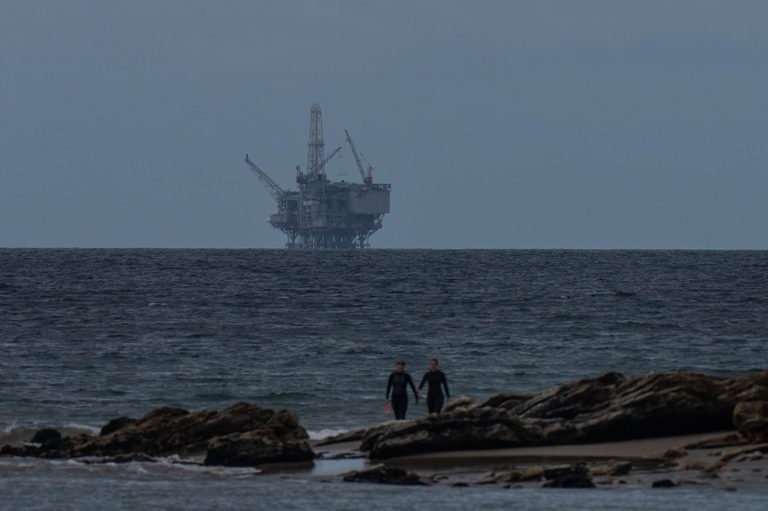
SANTA MONICA, Calif. – In a move that could reshape the state’s coastal policy, the Trump administration announced a federal review of California’s Coastal Commission program. The review, conducted by the National Oceanic and Atmospheric Administration, is intended to assess whether the state agency is aligning with federal priorities on offshore oil production, pipeline maintenance, spaceport launches and desalination projects.
Federal rationale and local impact
Commerce Secretary Howard Lutnick framed the review as essential for national energy security and job creation. “Obstructionist policies that delay critical national infrastructure in the name of environmental extremism are unacceptable,” he said, adding that the review will examine how California has addressed federal goals for offshore oil, pipeline upkeep and space launch activities.
California officials and environmental groups fear the review could strip the Coastal Commission of its historic authority to weigh in on projects that affect the state’s rugged bluffs, pristine beaches and world‑class surfing spots. The commission, created in 1972, has long served as a check on federal projects along the coast.
Offshore oil and pipeline actions
The administration has already announced plans for new offshore oil leases in California and Florida, signaling a shift toward increased domestic fossil fuel production. In addition, federal officials helped a Texas firm restart an idle pipeline that was shut after a 2015 rupture caused a major oil spill that blackened beaches for 150 miles.
Federal officials also moved toward authorizing fracking on a 45‑year‑old offshore platform off Ventura County, a proposal the Coastal Commission recently rejected. Energy company DCOR estimates the project could boost daily oil output from 1,100 barrels to 4,000 barrels across 16 wells.
State response and legal battles
California has pushed back, filing a lawsuit last week over the federal government’s buyback of an offshore wind lease, arguing the move seeks to favor fossil fuels over renewable energy. The state also continues efforts to reduce reliance on gasoline‑powered vehicles, a policy the Trump administration opposes.
Governor Gavin Newsom defended the Coastal Commission, noting its role in protecting coastal resources and public access. “We will not allow the federal government to undermine the safeguards that protect our beaches, wildlife and coastal economy,” Newsom said.
Public reaction
During a public hearing in Santa Monica, many Californians expressed concern that the review could set a precedent for stripping state authority nationwide. “This isn’t about performance. This is about power,” said Santa Barbara resident Maureen Ellenberger, who opposed the pipeline restart.
Coastal Commissioner Ray Jackson warned that expanding offshore drilling and fracking creates too many opportunities for environmental mishaps, placing the burden on the ocean, beaches and coastal communities.
What comes next?
The NOAA review has no set completion date. If the federal government decides to limit the Coastal Commission’s authority, California could become the first state to lose its ability to review federal projects affecting its coastline.
Stakeholders on both sides will continue to watch the process closely, as the outcome could influence energy policy, environmental regulation and state‑federal relations across the nation.
Original reporting: KTBS 3 (Shreveport) — read the source article.