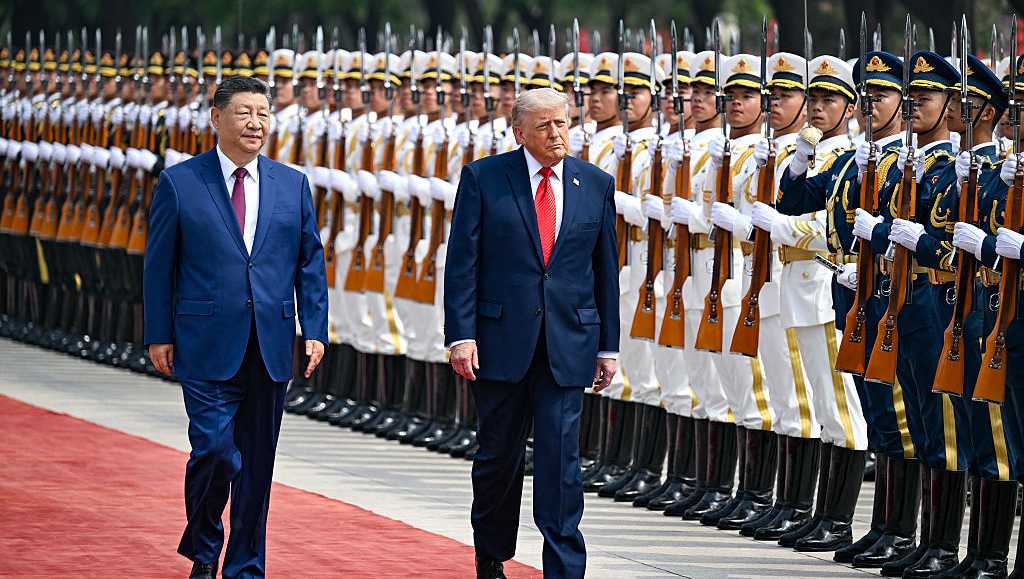
During Thursday’s talks in Beijing with Chinese President Xi Jinping, President Donald Trump struck a tone of cautious optimism about future cooperation, and Xi said Thursday that he hoped both countries could be “partners, not rivals.” The meeting in Beijing captured global attention because it mixed high-stakes policy with plain political theater, and it put two very different visions for the U.S.-China relationship on full display.
Trump’s optimism felt deliberate and practical, the kind of straight-shooting posture Republicans like to see when America negotiates. He framed engagement as a tool to secure better deals for American workers and businesses, not as a softness on strategic competition. That message mattered in Beijing because a confident negotiating stance signals that cooperation will be earned, not handed out.
Xi’s line about hoping both countries could be “partners, not rivals.” landed like a diplomatic olive branch, but Republicans read it with healthy skepticism. Words from Beijing are welcome when they match up with actions on trade, technology, and supply chains. Until those concrete shifts happen, rhetoric remains a useful but limited measure of change.
The real issues behind the handshake are the ones that make or break long-term cooperation: enforceable trade rules, protection for intellectual property, and clear paths for American companies to operate fairly in Chinese markets. Republicans insist that any cooperation must come with accountability, not open-ended promises. If Beijing wants to move toward partnership, Washington should insist on verifiable benchmarks and timelines.
From a political standpoint, Trump showing up in Beijing put Republicans in a familiar position: advocate toughness, but welcome results. It’s a classic two-step—set high demands, then use diplomacy to close the deal. That approach plays well with voters who want strength on the world stage and tangible wins back home in jobs and investment.
There are real strategic risks on the table too, and Republicans won’t ignore them. Issues like Taiwan, maritime security, and human rights remain non-negotiable red lines for many in the party, and cooperation on trade cannot legitimize aggressive behavior. The balance Republicans seek is straightforward: pursue economic advantage while protecting American security interests.
Diplomatically, meeting in Beijing was always going to look different than meeting elsewhere; optics matter, but so do deliverables. Republicans applaud the move if it produces measurable outcomes that benefit the United States, not just a favorable photo op for either leader. That means follow-through, monitoring, and a willingness to reapply pressure if China backslides.
What to watch next: concrete steps on tariffs, enforceable protocols for technology transfer, and transparency on supply chains. If those elements move forward, the language of partnership could start to mean something real; if they don’t, U.S. policy should pivot back to pressure and containment where needed. For Republicans, engagement is a tactic, not a principle—useful when it produces advantage, abandoned when it does not.