Dallas residents are seeing more coyotes around neighborhoods and parks as pup season ramps up, and Dallas Animal Services’ wildlife investigator Jacqueline Sutherland Qualls is laying out why. This piece explains how pup-rearing and urban development change coyote behavior, what “escort” behavior looks like, and practical steps residents can take to protect pets and discourage coyotes from getting comfortable. It includes exact guidance from Dallas Animal Services and a local phone number for reporting sightings in Dallas.
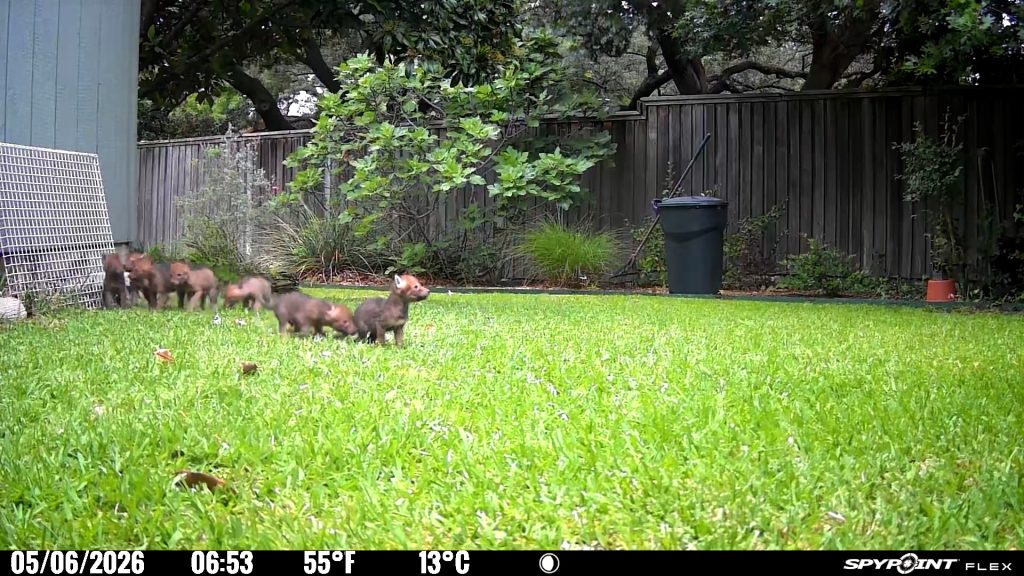
Coyotes are more visible right now largely because it’s pup season and parents are working overtime to feed their litters. “It’s spring. Everybody’s got babies on the ground right now,” said Jacqueline Sutherland Qualls, wildlife investigator for Dallas Animal Services. That extra responsibility changes how often adults move and where they go during daylight hours.
Parents must shuttle food back and forth, and that increases daytime activity in places people frequent. Qualls put it plainly: “Sometimes you have to go to the grocery store more than once a day when you’re feeding that many mouths.” Seeing coyotes in daylight is often just a sign of that parental duty, not necessarily a sick animal.
Urban growth also plays a major role in increased encounters, because development eats up natural habitat and squeezes wildlife into adjacent neighborhoods. “When those areas are broken down and built up, there’s no choice for them to spend more time in our neighborhoods,” said Qualls. As green corridors vanish or fragment, animals that used to pass through undisturbed begin using yards, drainage easements, and small parks for travel and denning.
Dallas Animal Services stresses that daytime sightings should not automatically trigger alarm about disease or neurological problems. “The vast majority of the time, this is not due to a neurological illness,” said Qualls. Understanding that daytime activity can be normal helps residents respond calmly and take sensible precautions rather than panic.
Pet safety is a top concern, especially for small animals that look like prey to coyotes. Dallas Animal Services recommends keeping pets leashed and being particularly vigilant with small dogs and cats near greenbelts or at night. “When we talk about conflict with domestic pets, we’re talking about animals that are less than 12 pounds,” she said. If a pet resembles a rabbit or another small mammal, a coyote might decide it’s fair game.
Practical steps can cut down on conflict and reduce the chance coyotes become too comfortable near homes and trails. Check yards before letting small dogs outside at night, keep cats indoors or supervised, and stay alert during walks in natural areas. Other suggested behaviors include:
- Supervising small pets outdoors at night
- Avoiding areas where coyote pups may be present
- Never feeding wildlife
- Giving coyotes space while making your presence known
One effective, nonharmful tactic is hazing, which trains coyotes to be wary of people and prevents habituation. Qualls described a simple fear-based tool: “One of the most prevalent reactions that we get as far as fear-based is an empty plastic bottle with rocks in it.” The noisy bottle, or other loud deterrents, makes shared spaces uncomfortable for coyotes and encourages them to keep their distance.
Dallas Animal Services keeps hazing advice available for people who want step-by-step guidance, and residents are encouraged to learn the methods that keep both people and wildlife safer. Hazing is about teaching animals to avoid close interaction with humans, not harming them, and the more consistent residents are with these techniques the better they work. Practicing loud, confident deterrents when a coyote appears can reinforce that humans are not easy prey.
Another behavior that can worry walkers is what professionals call escorting, when a coyote appears to follow someone through a neighborhood or along a trail. Qualls explained the intent behind the behavior: “This is just like a security guard following somebody through a clothing store,” she said. Coyotes are often making sure people steer clear of den sites or pups, so the behavior is protective rather than predatory in many cases.
Anyone who spots a coyote or observes concerning behavior in Dallas can report it to Dallas Animal Services at (469) 676-9813. This story uses functionality that may not work in our app. Click here to open the story in your web browser.