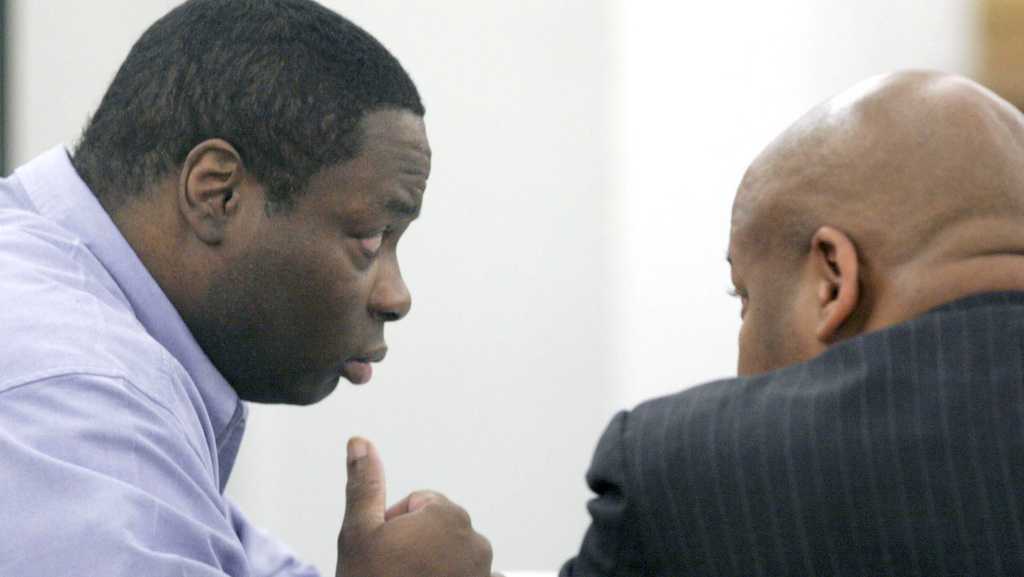
Edward Busby Jr., described by experts as intellectually disabled, was put to death in Texas, marking the 600th execution in the state since it resumed capital punishment in 1982. The case landed squarely in debates over mental disability and the death penalty, and it again cast a spotlight on Texas as the nation’s most active death-penalty state. This article examines the moment, the context, and what the milestone means for the state’s criminal justice landscape.
The number itself is stark: 600 executions over a period beginning in 1982, when Texas restarted carrying out capital sentences after national legal shifts. That pace has made the state a central figure in the national conversation about capital punishment. For many observers, the round number amplifies long-running concerns about fairness, procedure, and who ends up on death row.
Edward Busby Jr.’s case drew attention because experts assessed him as intellectually disabled, a status that raises legal and moral questions about execution. Claims of intellectual disability typically trigger extra courtroom scrutiny and can affect sentencing and appeals. Still, despite those assessments, the sentence in this instance reached its conclusion, and that outcome has renewed debate over how such determinations are weighed.
Across the decades since 1982, Texas has implemented capital sentences under evolving rules and protocols, including shifts in appeals processes and execution methods. The mechanics of how executions proceed have changed, but the end result for many condemned people has not. That continuity is part of what fuels ongoing scrutiny from advocates, defense lawyers, and policy analysts.
Legal experts, defense teams, and civil rights groups have repeatedly argued that executing people with intellectual disabilities violates constitutional protections against cruel and unusual punishment. Courts have addressed those claims in various cases, and the standards for proving disability can be complex. The presence of such claims in a case like Busby’s underscores how messy and contested these proceedings can become.
Supporters of the death penalty point to victims’ families, finality in the justice system, and the statute as enacted by legislatures. For them, carrying out sentences handed down by juries and courts is a matter of enforcing laws and honoring verdicts. That perspective is a core part of why executions continue despite intense public debate and shifting legal landscapes.
Opponents focus on the risk of executing an innocent or intellectually impaired person, the uneven application of capital punishment, and the moral implications of state-sanctioned killing. Those concerns tend to grow louder as milestones like the 600th execution attract media and public attention. In cases flagged for possible disability, those worries remain especially acute.
Texas officials have repeatedly defended the state’s record, noting the procedural safeguards in place and the layers of appeal available to condemned prisoners. Prosecutors and correctional authorities often emphasize adherence to law and the role of juries in determining sentences. Still, critics argue that safeguards sometimes fail to catch mistakes or adequately account for disability, mental illness, or inadequate defense representation.
The Busby case will likely be cited in future debates over how intellectual disability claims are evaluated and how much weight they carry in capital cases. Policymakers, courts, and advocacy groups watch high-profile cases for signs that standards need tightening or reform. Each controversial execution tends to produce calls for renewed review of procedures and policies.
For families on both sides, these cases are deeply personal and painful. Victims’ relatives often express a desire for closure and a sense that justice has been served, while the condemned and their advocates highlight human frailty and systemic faults. That moral collision is part of why capital punishment remains such an emotionally charged issue.
Beyond the courtroom, the milestone raises broader questions about the direction of criminal justice in Texas and across the country. Lawmakers and the public continue to wrestle with whether the death penalty accomplishes its intended goals and whether exceptions should be broadened or restricted. As the number of executions climbs, those questions refuse to go away.
Whatever one’s view, Edward Busby Jr.’s execution stands as another marker in the long story of capital punishment in Texas. It reinforces the debates over disability, due process, and the state’s role in carrying out irreversible sentences. The 600th execution will be a reference point for advocates and officials on all sides as they argue for change or defend the status quo.