Tarrant County Public Health has confirmed the first West Nile virus–positive mosquito samples of 2026 after routine surveillance found infected specimens from the City of Fort Worth and the City of Grand Prairie. Samples were processed at TCPH’s North Texas Regional Laboratory, and officials are urging residents across Tarrant County to take common-sense precautions as mosquito season gets underway.
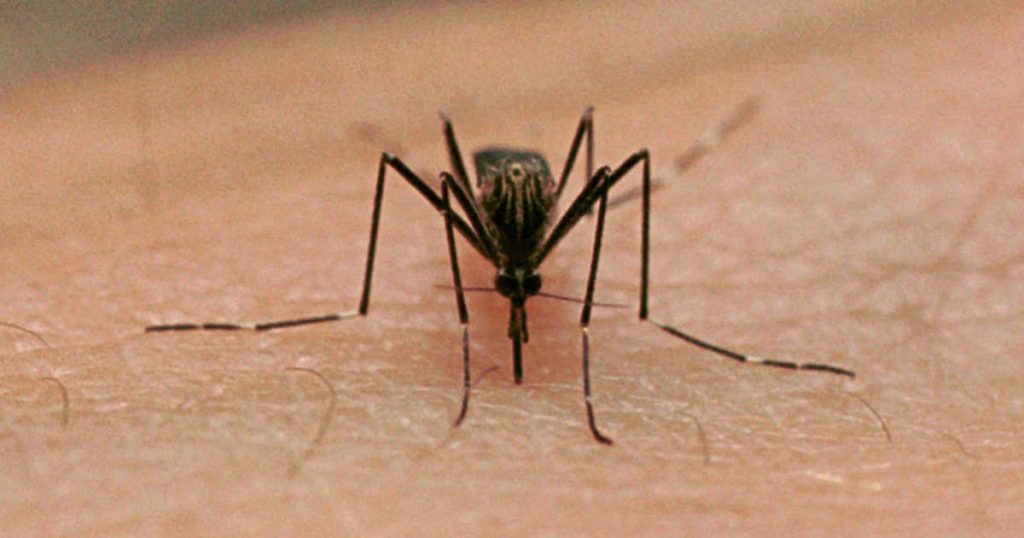
(Original Caption) View of an Aedes japoicus mosquito (aka Japanese Rockpool or Asian Bush mosquito) biting a host. It is one of the species responsible for the spread of West Nile Virus on the East Coast. (Photo by Timothy Fadek/Sygma/Sygma via Gett
Tarrant County’s vector team has now detected West Nile virus in local mosquito samples, signaling the start of the 2026 season. County testing has covered hundreds of traps this year, and officials say 314 mosquito samples were examined at the North Texas Regional Laboratory before these positives were found.
The positive samples came specifically from Fort Worth and Grand Prairie, collected during standard county-wide mosquito surveillance. That kind of active monitoring is routine this time of year and helps public health staff target mosquito control work where it will do the most good.
West Nile virus spreads to people most commonly through the bite of an infected mosquito. Most infected people don’t develop symptoms, but about one in five will get a fever with headache, body aches, or joint pain, and a small number can develop severe illness affecting the brain or nervous system. No human cases have been reported so far in the 2026 season.
Tarrant County Public Health recommends practical steps residents can take now to reduce risk and stop mosquitoes from breeding near homes. Take a minute to inspect your property and tackle obvious standing water, and remember basic personal protection measures when you’re outdoors.
- Use an EPA-registered insect repellent when you’ll be outside, especially at dawn and dusk.
- Wear loose-fitting long sleeves and pants during times when mosquitoes are most active.
- Eliminate standing water around your property or treat it with larvicides such as mosquito dunks where water can’t be drained.
- When possible, stay indoors during peak mosquito activity hours to reduce exposure.
If you develop symptoms like high fever, severe headache, stiff neck, confusion, or neurological signs after a mosquito bite, contact your healthcare provider right away. Early evaluation matters in rare but serious cases, and clinicians can order testing and supportive care if needed.
Local cities and Tarrant County unincorporated areas may perform mosquito treatment operations as needed during the season, and TCPH continues routine trapping and testing to track activity. Residents should stay alert through October when West Nile activity typically peaks and keep up simple prevention steps in their yards and daily routines.