Eliza White, a 14-year-old entrepreneur, spends her weekends at craft fairs selling handmade pillows and quietly turning sales into support for kids in need. This piece follows her stalls, describes her pillows and design choices, and explains how her small business mixes creativity, community, and charity.
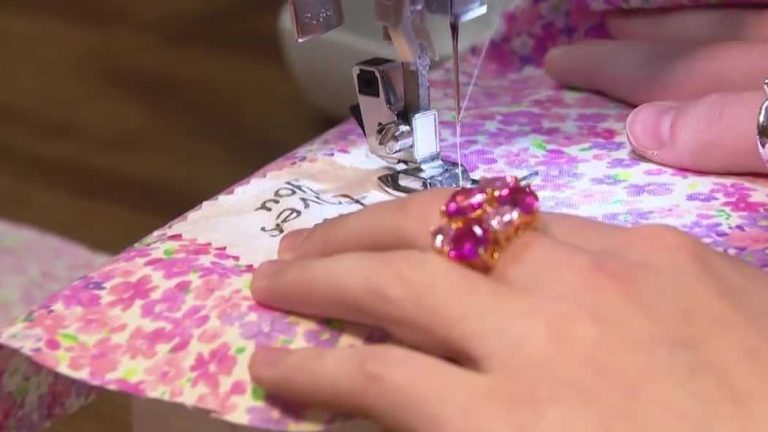
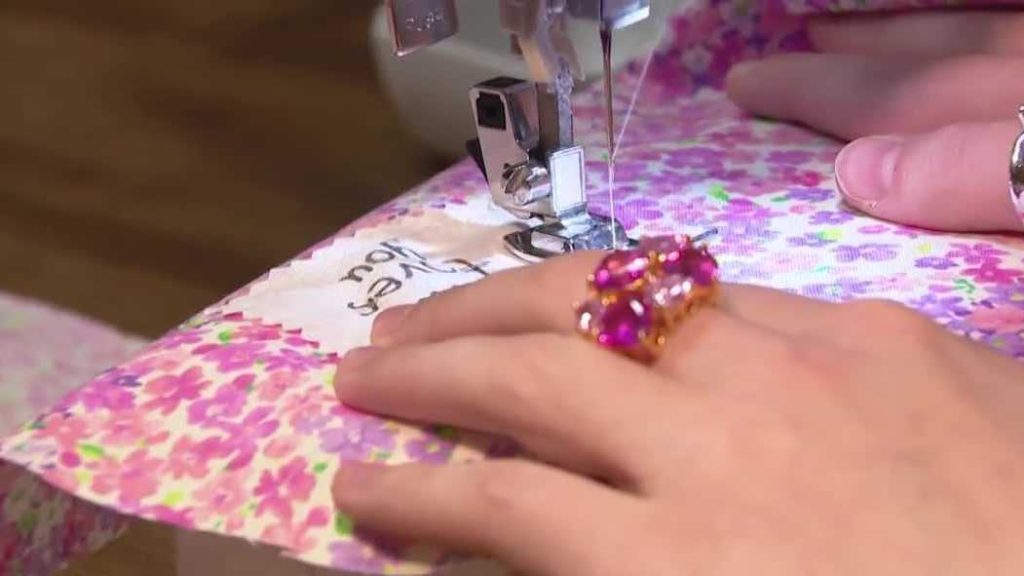
At the heart of Eliza White’s project are pillows stitched by her own hands and imagination. She chooses fabrics that pop and patterns that feel personal, and each pillow carries a small story she shares with buyers at craft fair tables. People come for the color and texture but stay for the care Eliza builds into each piece. The result is more than decor; it’s an offer to connect and to give back.
Craft fairs become her classroom for real-world skills that textbooks rarely teach. She practices talking to strangers about price and process, manages a modest inventory, and learns to read what customers want. Those conversations sharpen her confidence and teach practical lessons about supply, demand, and presentation. For a 14-year-old balancing schoolwork and family time, those weekends are concentrated entrepreneurship training.
Eliza’s business model folds philanthropy into every transaction, not as an afterthought but as a deliberate choice. A portion of every sale goes to programs that support children, and she makes sure buyers know where their money helps. That transparency creates trust and a sense of purpose around each pillow purchase. Customers appreciate buying something beautiful that also carries meaning beyond the home.
The hands-on making process matters to Eliza and to her customers. She sources fabric thoughtfully and pays attention to stitching and stuffing so each pillow lasts and feels finished. Buyers often ask about the patterns and the kids she supports, turning quick purchases into conversations about local needs and creative solutions. That exchange has helped her build a small but loyal base of repeat buyers who value craft and compassion together.
Running a business at 14 comes with logistics and learning curves, from tracking materials to setting prices that cover costs and donations. Eliza figures it out by trial, asking for advice from vendors and watching what works at neighboring tables. She balances margins with generosity, learning early how to steward money responsibly. Those habits are lessons in both finance and integrity that will stick long after the craft fair closes each Sunday.
Community response has been encouraging and practical in equal measure; neighbors and repeat customers offer fabric offcuts, sewing tips, and encouragement. Parents watch with a mix of pride and practical concern, ready to step in with guidance when needed but allowing Eliza room to fail and improve. The small network she’s building shows how a young maker can spark local goodwill and practical support simply by showing up and selling something people want to buy.
The rhythm of creating, selling, and donating reshapes how Eliza thinks about impact and ownership. She’s learning that a business can be compact and purposeful, that quality matters, and that generosity can be a selling point rather than a drain. Her weekends at craft fairs are modest but meaningful, teaching her that work and care can sit comfortably in the same basket. The pillows are pretty, the lessons are real, and the project is still growing.