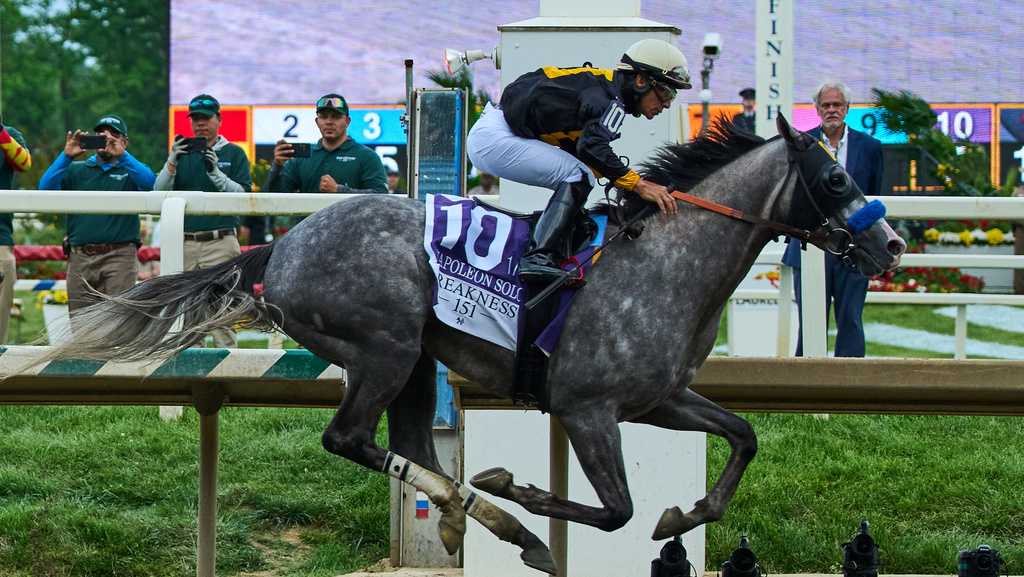
Napoleon Solo topped a strong field at Pimlico Race Course in the 151st Preakness Stakes, beating stable rival Taj Mahal in a stirring finish that had the crowd up on its feet. The race unfolded under clear skies and brisk energy, with post positions and early pace shaping a tactical test for both speed and stamina. This article breaks down how the finish played out, why the result matters for the rest of the season, and what to watch next for the connections and the sport.
The early fractions set a tense tone as contenders chased the lead and jockeys searched for the best path through traffic. Several entrants pressured the pace, which opened opportunities for a late-running type to strike, and the track rated fair for most of the day. Discipline in the final turn proved decisive, as horses with composure and balance found room to accelerate when it counted.
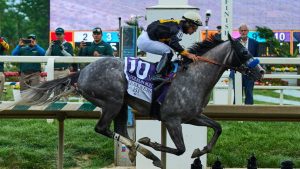
Napoleon Solo beat out Taj Mahal to win the 151st Preakness Stakes
The finish was a study in timing: Napoleon Solo angled into the clear inside lane while Taj Mahal rallied hard on the outside, both refusing to yield through the final furlong. The stretch drive rewarded whoever could switch gears fastest, and Napoleon Solo showed a quickening burst that separated him by the wire. Both owners and trainers will take confidence from the way their horses handled the pressure and the atmosphere.
For many onlookers, the Preakness remains the second jewel of a churning Triple Crown season, a place where momentum shifts and narratives are made. Winning here stamps a horse as a major player for the autumn features and gives connections a platform to plan the rest of the campaign. It also serves as a measuring stick against older and same-age rivals who might appear later in the calendar.
From a wagering perspective, the result rearranged a number of exotic tickets and left bettors parsing where value appeared during the race. Late changes in the tote reflected confidence in the closers once the pace quickened, and the payoff board rewarded those who anticipated a stretch duel. Track officials noted a good handle for the day, reflecting strong interest from casual fans and seasoned punters alike.
The tactical lesson from this edition is simple: adaptability wins. Jockeyship that balances patience with courage to strike when lanes open can flip the script in seconds, and trainers will study the replay to refine conditioning and race placement. Connections now face choices about stepping up in company, seeking softer spots, or targeting high-dollar autumn events to maximize a champion’s peak form.
Looking ahead, Napoleon Solo’s team will weigh rhythm against risk, deciding whether to pursue rematches with the same cohort or chase fresh targets that play to his closing style. Taj Mahal and the other contenders will return to the worktab with clear aims: tighten patterns, sharpen gate responses, and perhaps claim daylight earlier in races. For the sport, these kinds of competitive finishes keep the calendar rich and give handicappers new angles to debate.
For fans who love speed and drama, this Preakness offered both in abundance, with a finish that will linger in highlight reels and conversation. Trainers, owners, and bettors move on quickly, already mapping the next steps and reshaping plans based on a single, electric afternoon of racing. The track will quiet down, but the implications of this result will echo through the season as campaigns realign around the horses that showed up when it mattered.