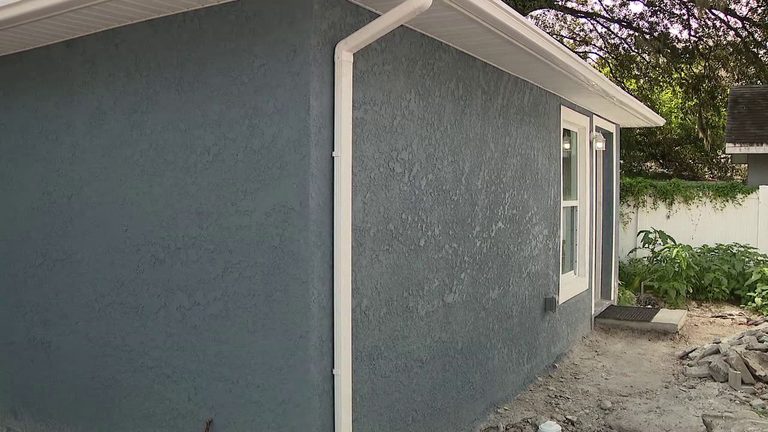
Tampa Mayor Jane Castor highlighted the city’s latest effort to combat rising housing costs by expanding the use of accessory dwelling units, or ADUs, in neighborhoods such as Sulphur Springs and Riverside Heights. ADUs are fully independent living spaces that include a kitchen, bathroom and sleeping area, and the city estimates the average construction cost is under $100,000.
Rule changes broaden eligibility
Effective 2024, Tampa broadened the geographic zones where ADUs may be built, adding several previously excluded neighborhoods to the eligible map. In addition, the city revised its residency requirement: property owners are no longer obligated to occupy the primary residence. They may now choose to live in either the main house or the newly constructed ADU.
Early adoption and homeowner experience
Since the rule changes, roughly 30 homeowners have begun the ADU permitting process, and seven have completed construction. While Mayor Castor acknowledged the numbers are modest, she emphasized that each new unit adds a home to the community and contributes to overall affordability.
One early adopter, Hope Kiriisa of Sulphur Springs, described her ADU as an open‑concept space designed to adapt to her family’s evolving needs. “Housing prices were through the roof,” Kiriisa said. “I wanted something larger, but couldn’t afford it. This ADU not only helps me, it could help others as a rental, a home office, or eventually a place for aging parents.” She obtained her permit in December, broke ground in May, and reports that construction is nearing completion. Kiriisa called the permitting process “a beast” but praised city staff for their guidance.
Short‑term rental concerns
The city acknowledged that ADUs could be used as short‑term rentals, such as Airbnb listings. State law currently preempts local regulation of short‑term rentals, limiting Tampa’s ability to impose restrictions. Castor said city leaders are discussing the issue and welcomed recent state legislative steps toward greater regulation.
“There does need to be more regulation on short‑term rentals in Florida,” Castor stated. “It’s encouraging that the legislature is moving in that direction.”
Looking ahead
City officials plan to continue monitoring ADU development and its impact on housing affordability. They encourage interested residents to explore the program, ask questions, and consider the long‑term financial benefits of adding an independent dwelling unit to their property.
For more details on Tampa’s ADU program, homeowners can visit the city’s official website.
Original reporting: Tampa Bay Florida News (HLL/CB) — read the source article.