There is a particular kind of morning in Louisville — cool, a little misty, the city still half-asleep — when Cave Hill Cemetery becomes one of the most quietly magnificent places you will ever set foot in. I know how that sounds. A cemetery? For a travel recommendation? Stay with me, because once you pass through those ornate iron gates on Baxter Avenue, you will understand completely.
Cave Hill Cemetery is not a somber place. Spread across 296 rolling acres in the Highlands neighborhood, it reads less like a burial ground and more like a Victorian-era botanical garden that happens to tell the full, sweeping story of Louisville’s history. It was established in 1848, and from the very beginning, the founders modeled it after the great rural cemetery movement — the same philosophy that shaped Mount Auburn in Cambridge and Green-Wood in Brooklyn. The idea was radical for its time: that the dead deserved beauty, and that the living deserved a place to wander, reflect, and breathe.
What strikes you first are the trees. Cave Hill is home to one of the most impressive collections of native and ornamental trees in Kentucky — towering oaks, weeping beeches, ancient magnolias, and dozens of species that canopy the winding paths like a cathedral ceiling. In spring, the cherry trees and redbuds put on a display that rivals any botanical garden in the region. In autumn, the whole property ignites in amber and crimson. Even in winter, the bare limbs against the gray Kentucky sky have a stark, dramatic elegance.
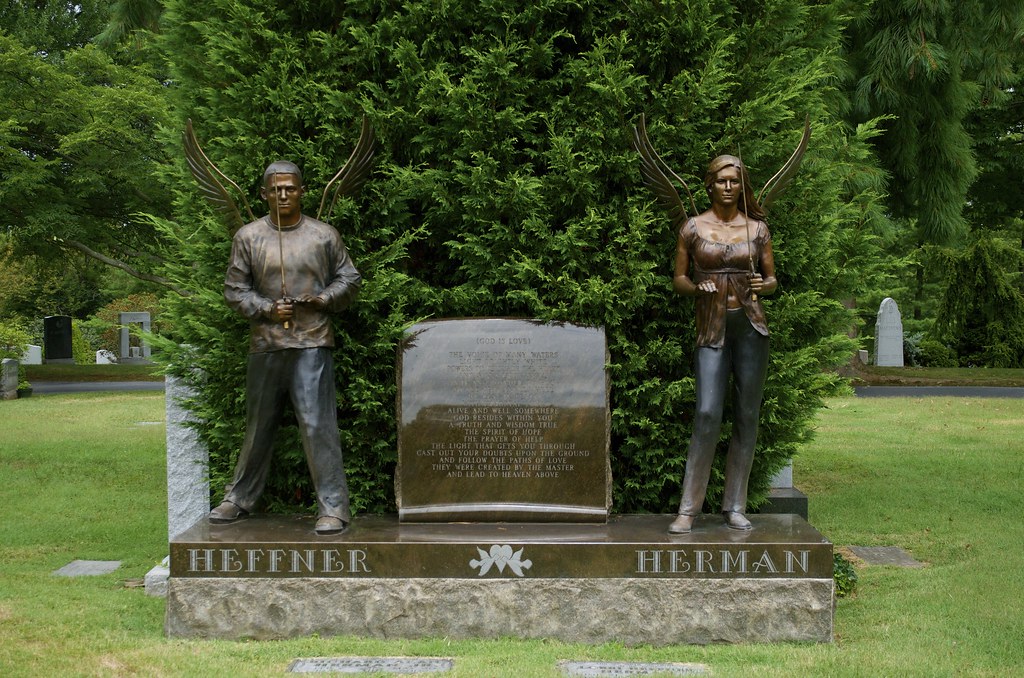
Then there are the residents. Colonel Harland Sanders — yes, the Kentucky Fried Chicken founder — is buried here beneath a modest but well-visited monument. Explorer and frontiersman George Rogers Clark rests near the original cave and spring that gave the cemetery its name. You can spend an hour simply discovering the stories etched into the remarkable Victorian funerary sculpture throughout the grounds, from weeping angels to elaborate obelisks to intimate family mausoleums that look like miniature Greek temples.
Birders love Cave Hill, too. The property sits along a migratory corridor, and during spring and fall flyovers, the tree canopy becomes a rest stop for warblers, tanagers, and thrushes passing through. Bring binoculars if you have them.
The cemetery is open daily to visitors from 8 a.m. to 4:45 p.m., and admission is entirely free. Self-guided tour maps are available at the entrance gate, and the Cave Hill Heritage Foundation periodically offers guided walking tours that bring the history vividly to life. Parking is easy and plentiful just inside the main gate.
Cave Hill sits right on the edge of the Highlands, so it pairs beautifully with a post-walk brunch or coffee at any of the terrific restaurants and cafés along Bardstown Road just minutes away. It is the kind of place that earns a permanent spot in your Louisville itinerary — not because someone told you it was worth seeing, but because you will feel it the moment you arrive.