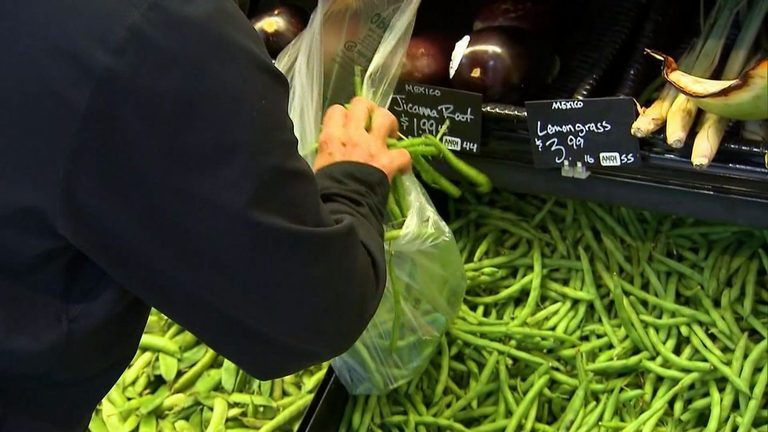
Food insecurity is climbing in Schenectady County, now affecting almost a quarter of residents, according to recent data gathered by local partners. In response, the Schenectady County Food Council unveiled a coordinated action plan designed to strengthen the county’s food system and ensure families are not left to navigate a fragmented network of pantries on their own.
Coordinated effort among local partners
The plan was introduced by the Sycamore Collaborative, which reported serving more than one million people last year. Executive Director Aldo Juarez‑Romero emphasized the need for a unified approach, saying, “Sit down with the pantries across town and plan together so no family is left to navigate a fragmented system alone.”
Survey reveals barriers to adequate nutrition
The Schenectady Foundation surveyed over 900 residents to pinpoint obstacles to obtaining enough food. Community Impact Manager Sofia Pawluski highlighted rising food costs as a top concern and noted that nearly half of respondents cited a lack of local access to fresh produce.
Key findings from the survey include:
- Only 17% of pantry locations remain open after 5 p.m.
- Just 8% operate on weekends, limiting options for working families.
Proposed solutions focus on access and education
Pawluski outlined several potential steps, including expanding home‑delivery services, increasing mobile market routes, and extending pantry operating hours to better match residents’ schedules.
Robert Carreau, Executive Director of the Schenectady Foundation, stressed that pantry services alone cannot solve the county’s food crisis. Since the start of the COVID‑19 pandemic, the foundation has invested more than $4.5 million in initiatives aimed at closing gaps in the local food system. Looking ahead to 2027, Carreau said the foundation’s plan will broaden its approach, adding components such as urban gardening programs that teach young people how to grow and prepare their own food.
State support and federal concerns
Assemblymember Angelo Santabarbara contributed $45,000 to the foundation’s efforts and criticized recent federal cuts to SNAP benefits. “We’ve identified food security as a top priority, yet the federal government is moving in the opposite direction,” Santabarbara said, urging Washington leaders to restore robust nutrition assistance.
Next steps for the county
The Schenectady Foundation will meet tomorrow to finalize its 2027 plan, allocate funding to priority projects, and continue seeking additional support from local partners, state agencies and federal programs. Community leaders hope the coordinated strategy will reduce reliance on emergency food assistance and build a more resilient, self‑sufficient food system for all residents.
How residents can help
Residents are encouraged to volunteer at local pantries, support mobile market initiatives, and participate in upcoming urban gardening workshops. By working together, the county aims to ensure that every family has reliable access to nutritious food.
Original reporting: CBS 6 WRGB Albany (local) — read the source article.