Next week, voters in Champaign County will head to the polls to decide on a property‑tax levy that would provide essential funding for the county’s developmental disability services board. The measure, if approved, would add a little over $52 per year to the tax bill of a home valued at $100,000.
Why the levy matters to families
Superintendent Leigh Anne Wenning warned that without the additional revenue the board would be forced to cut back on a range of services that families rely on daily. The board has already trimmed $360,000 from its budget, resulting in staff layoffs, reduced program budgets and the downsizing of office space.
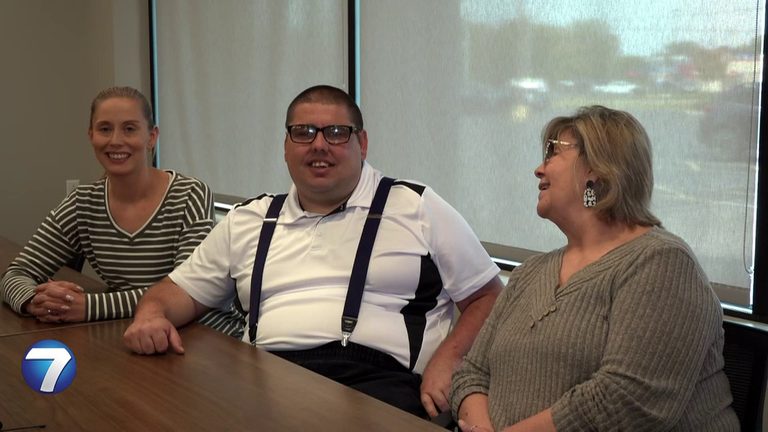
Parents and caregivers stress how critical these services are. Trish Foster, mother of a young child who received early‑intervention therapy, recalled the board’s home‑visits when her son was just three months old. “They did physical therapy, they did stimulation, they came to our house,” she said.
For adults, the board’s in‑home care support can mean the difference between independence and constant institutional care. Matthew Vanscoy explained that his son is “100 % dependent on somebody” for feeding, dressing, toileting and other daily tasks, all of which the board currently provides.
Assistive technology also plays a vital role. Jessy Nathan, who was born blind, relies on equipment supplied by the board to perform everyday tasks and maintain autonomy.
What the levy would fund
The proposed levy would sustain a suite of programs, including:
- Early‑intervention services for infants and toddlers, such as physical therapy and developmental stimulation.
- Social and recreational activities that foster community inclusion for youth and adults.
- In‑home personal care assistance for adults who require full‑time support.
- Provision of specialized devices and assistive technology to promote independence.
These services are not only a lifeline for individuals with developmental disabilities, they also support families who would otherwise face overwhelming caregiving costs.
Community response
As the election approaches, families are urging their neighbors to consider the long‑term impact of a “no‑levy” outcome. “I can’t even imagine,” Trish Foster said, describing a future without the board’s support. “I would ask them to please think long and hard and please put the vote out for this levy.”
Local leaders echo the sentiment, emphasizing that the levy is a modest investment in the health and well‑being of the county’s most vulnerable residents. The cost, spread across property owners, is presented as a reasonable contribution to preserve services that would otherwise be cut.
How to vote
Champaign County voters will receive a ballot that includes the levy question. The measure is listed as a property‑tax levy and will be decided by a simple majority vote. Residents can find voting locations and hours on the county clerk’s website or by contacting the local elections office.
For families who depend on the board’s programs, the decision is clear: a modest tax increase now could prevent a cascade of service reductions that would affect daily life for countless individuals with developmental disabilities.
Original reporting: WHIO-TV Dayton (local) — read the source article.