South Carolina Gov. Henry McMaster called the state legislature back to Columbia for a special session focused on the budget and congressional districts, a move that pits local Republicans against a Trump-backed push to redraw lines that could unseat Rep. James Clyburn. The fight has pulled in Senate Majority Leader Shane Massey, Lt. Gov. Pam Evette, Attorney General Alan Wilson and a roster of national examples — from Tennessee to Louisiana — as lawmakers weigh politics, precedent and legal fallout. With the Supreme Court’s Callais decision reshaping the rules on race-conscious maps, redistricting in the Palmetto State is suddenly urgent and raw. The stakes are clear: who controls South Carolina’s voice in Washington and how Republicans choose to exercise power there.
McMaster set the tone plainly when he wrote on X, “I have issued an Executive Order calling the General Assembly back for an extra legislative session to address the state budget and congressional districts beginning Friday, May 15, at 11:00 AM.” That executive move signals the governor’s determination to keep control of the process in Republican hands and to move quickly before courts or politics slow things down. In a state that has been trending reliably red, many conservatives argue this is simply correcting maps to reflect the voters. The urgency also reflects national Republican strategy to convert long-standing Democratic holdouts into winnable Republican districts.
President Donald Trump added pressure with a public warning that he is “watching closely” the redistricting effort, and his influence is already reshaping primaries and statehouse ambitions across the country. That kind of spotlight makes defiance costly; Trump-backed challenges toppled lawmakers in Indiana and have become a real threat elsewhere. The Palmetto State debate shows how national leaders can tilt state fights and why state legislators are suddenly recalibrating their priorities. For many GOP voters, this is about maximizing representation, not raw revenge.
But the path has not been smooth. Senate Majority Leader Shane Massey led a group of senators who joined Democrats to block a plan that would have let the chamber take up redistricting after the regular session. Massey warned that following Trump’s lead could dim South Carolina’s influence, saying “South Carolina has always punched above their weight.” He also acknowledged the personal political risk, telling colleagues, “There are likely consequences for me, personally, taking the position that I am right now,” Massey said. “I’m comfortable with that. I may not like it, but I’m comfortable with it. … My conscience is clear on this one.”
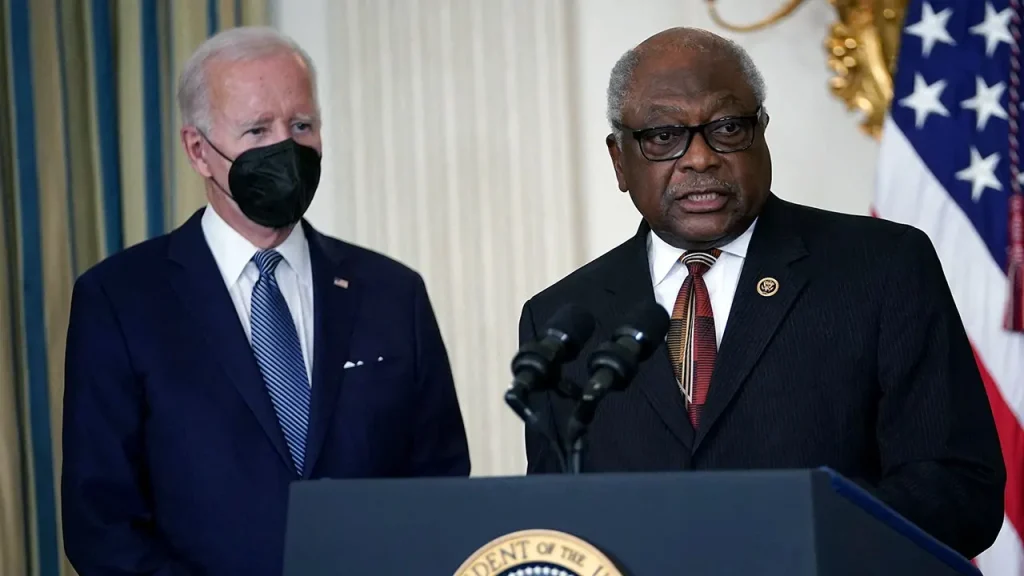
The flashpoint in these discussions is Rep. James Clyburn, a veteran lawmaker from Orangeburg credited with a pivotal endorsement in 2020, who faces the real possibility that a new map would reshape his district’s demographics. Clyburn remains defiant about his reelection prospects, insisting “I don’t know why people think I could not get re-elected if they redistrict South Carolina,” Clyburn said in a CNN interview. “I have a district that’s about 45 percent African American. I have no idea what the number will be after the legislature finishes, but whatever that number is, I will be running on my record and America’s promise.” His confidence sets up a classic incumbent-versus-structural-election fight.
Conservative leaders in South Carolina moved quickly to back McMaster’s special session. Lt. Gov. Pam Evette called the governor’s order “a critical step for President Trump and the people of South Carolina.” Attorney General Alan Wilson urged speed, saying “South Carolina has the opportunity to lead, and lawmakers should move quickly to pass new maps before the June primary.” That alignment shows how state officials want to seize momentum and avoid drawn-out legal battles that can drag through election cycles and sap energy from other GOP priorities.
Across the South, the Callais decision has already triggered action from statehouses trying to shrink race-based majority districts or reconfigure them into more balanced lines. Tennessee, Alabama, Mississippi and now Louisiana are all wrestling with the fallout, and South Carolina’s situation is tied to that broader conservative wave. The Department of Justice’s 1992 recommendation to create a majority-Black district in South Carolina is part of the history being reconsidered under the new legal standard. For Republicans, the moment is about updating maps to reflect current voter patterns rather than preserving decades-old arrangements.
The broader roster of aging incumbents adds another political flavor to the contest. Clyburn, 85, recently filed to run again and joked about celebrating his “47th anniversary of his 39th birthday soon,” but he’s now part of a list of octogenarians and nonagenarians in Congress that includes Sen. Charles Grassley, Rep. Hal Rogers, Rep. Maxine Waters and Sen. James Risch. Redistricting fights are never just about demographics; they’re about generational change and whether parties push for turnover. For GOP activists, replacing a lone Democratic holdout with a Republican representative is a top-tier objective heading into midterms.
If South Carolina moves quickly, it could set an example for other states where Republicans are aiming to translate red majorities into more reliable congressional control. If it stalls, conservatives warn that national momentum will be squandered and incumbency advantages will persist. The special session in Columbia is more than a state procedural step — it’s a test of whether party leaders will coordinate with national strategy, face down internal dissent and deliver maps that reflect a robust, modern Republican majority.