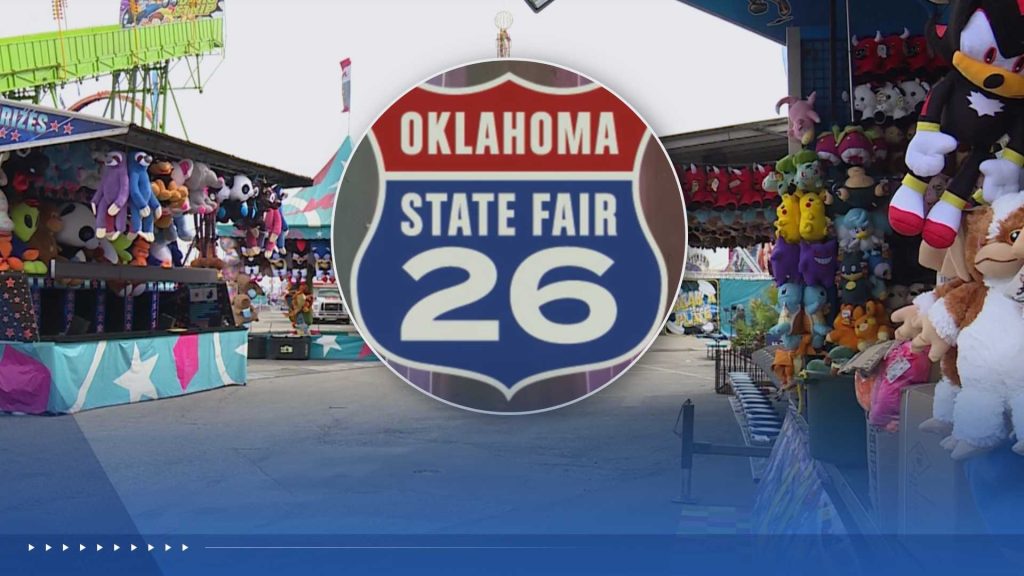
The Oklahoma State Fair is rolling out a theme for 2026 that spotlights the 100th birthday of Route 66, and the announcement has already sparked plans, events, and a fresh look at Oklahoma’s role in that iconic American road story. From parade plans on the fairgrounds to veteran car showcases and family programming tied to the Mother Road, the fair intends to weave Route 66’s history into its entertainment, food, and exhibits. This piece takes a look at what visitors can expect and why the centennial matters to Oklahoma communities and travelers.
Organizers have framed the 2026 fair as a celebration of travel, small towns, and the businesses that grew up along Route 66. That road stitched together lives and economies from Chicago to Los Angeles and runs through key Oklahoma towns that still carry its legacy. The State Fair plans to celebrate not only the nostalgia but also the living culture of towns that Route 66 helped sustain. Expect displays that honor local business owners, restorations of classic signage, and community storytelling nights.
One of the fair’s immediate draws will be classic cars and motorcade events that highlight the style and engineering of the 1920s through modern restorations. Car clubs and restoration shops are being invited to show vehicles that once cruised Route 66, making the fairground a temporary museum of chrome, paint and horsepower. Those rolling exhibits will serve as visual anchors for the centennial, helping new generations picture what life on the road really looked like. Vintage radios, old maps, and period costumes will round out the immersive experience.
Food is another place where the Route 66 theme will come alive, with vendors encouraged to offer regional specialties tied to towns along the route. That means diner-style comfort, pastries, and picnic-friendly snacks inspired by the highway’s midcentury heyday. The fair could become a taste tour of the Mother Road, allowing attendees to sample flavors that fueled travelers and locals alike. Local chefs and food historians may also present talks about how roadside dining shaped American eating habits.
Educational exhibits are planned to highlight the road-building innovations and the human stories behind Route 66, from migrant labor to entrepreneurship. Schools, museums, and local historians may bring artifacts and oral histories that explain how the highway affected migration, commerce, and culture. These displays will aim to be hands-on and approachable, helping younger visitors understand why this stretch of pavement mattered so much. The goal is to connect a century-old artery to present-day community identity.
Cultural programming during the fair will emphasize music, film, and art tied to Route 66’s influence on American creativity. Musicians who play folk, early rock, and country will find receptive crowds, while local artists will be invited to interpret the road’s imagery in murals and installations. The fair will likely host screenings of classic road films and documentaries that trace the highway’s myth-making power. All this will invite visitors to see Route 66 not as a relic but as a continuing source of inspiration.
Community involvement is central to the fair’s plan, with towns along Oklahoma’s stretch of Route 66 asked to participate through booths, performances, and collaborative exhibits. Local chambers of commerce and tourism boards are expected to partner on programming that markets heritage tourism and preserves landmarks. That cooperation helps position Oklahoma communities to benefit from renewed interest in the Mother Road. Small towns could see increased visitation and investment tied to centennial momentum.
Beyond the festivities, the centennial offers a practical moment to talk preservation and safety for remaining stretches of Route 66 and its signage. Projects to restore classic neon signs, patch historic pavement and maintain roadside attractions can gain traction when attention peaks. The fair’s spotlight may also accelerate conversations about funding, volunteer efforts, and public-private partnerships that safeguard the route’s physical and cultural markers. In short, celebration and conservation can go hand in hand.
When the Oklahoma State Fair opens its gates in 2026, Route 66’s 100th birthday will be more than a theme; it will be a platform for storytelling, tourism and tangible preservation work. Visitors should expect a mix of nostalgia and forward-looking plans that put local communities at the center of the centennial. Whether you come for the food, the cars, the exhibits or the music, the fair intends to remind everyone that Route 66 helped put Oklahoma on the map in a very particular way.