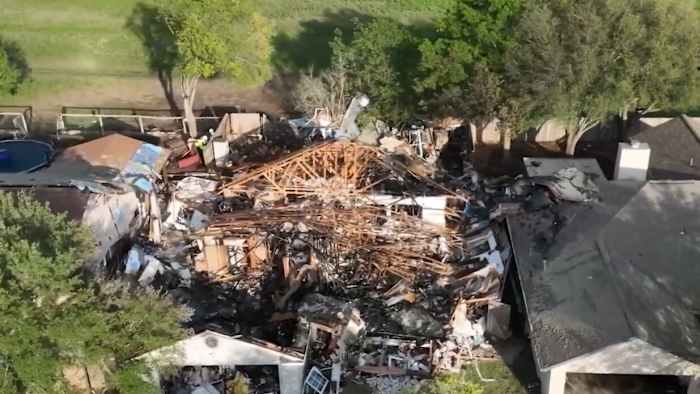
The San Antonio North Side blasts on Preston Hollow Drive left five people hurt and have sparked lawsuits and a tug of war over records, with CPS Energy asking the Texas Attorney General whether it can withhold internal incident reports and investigations about the two explosions that injured Timothy Nowell, Kimberly Nowell, their daughter, Jose Ochoa, and Mayte Terrie Reeves. The National Transportation Safety Board is leading the technical probe while Brooke Army Medical Center has reported that Kimberly Nowell remains in critical condition as of May 11, with Timothy Nowell and Mayte Terrie Reeves in serious condition and Jose Ochoa released from the hospital. San Antonio residents and attorneys are pushing for answers as multiple lawsuits accuse CPS Energy of negligence tied to the explosions in the 15000 block of Preston Hollow Drive. The utility’s recent appeals to the Texas Attorney General to redact service calls, root cause analyses, and gas complaints have raised fresh questions about transparency and accountability.
CPS Energy has told officials it wants to keep certain post-incident documents private, asking the Attorney General whether it can redact internal incident reports and root cause investigations related to both properties. Those requests specifically seek to limit access to service call logs and any gas complaint records connected to the addresses on Preston Hollow Drive. The move comes while the NTSB continues its technical review, leaving local officials and neighbors to press for immediate details. That tension between a federal investigation and local demand for transparency is fueling frustration in the community.
Local news outlets repeatedly asked CPS Energy for documents and explanations, but the utility has focused much of its public messaging on relief efforts and support for affected families. Community leaders and residents say that assistance is necessary but not a replacement for a full accounting of what happened and why. People want to understand whether preventable failures were involved, and whether similar risks exist elsewhere in San Antonio. The presence of lawsuits increases the pressure for clear, documented answers.
On May 8, Timothy Nowell, Kimberly Nowell and their daughter filed a lawsuit alleging that CPS Energy was negligent in connection with the first explosion that injured them. A separate joint lawsuit was filed by Jose Ochoa and Mayte Terrie Reeves after the second blast, with those plaintiffs also accusing the utility of negligence. These court actions aim to force a legal reckoning and unlock more information through discovery, where internal reports and service logs could become public. The litigation will likely test how much protection the utility can claim for its internal records.
The NTSB’s involvement complicates the timeline for disclosure because it often requires evidence preservation while its investigators reconstruct events. That federal probe will focus on technical causes and systemic issues, but it does not automatically preclude local or civil inquiries from accessing certain data. Meanwhile, San Antonio residents are left to speculate about sequence and cause while waiting on both federal and local processes. The opacity is feeding public anger and legal strategies aimed at piercing those layers of secrecy.
Brooke Army Medical Center has provided updates on patients tied to the incidents, noting that Kimberly Nowell remains in critical condition as of May 11 and that others remain hospitalized or were released after treatment. Medical updates have become a central element in coverage because they show the human stakes behind the legal and bureaucratic maneuvers. Families are focused on recovery and figuring out where responsibility lies, as attorneys prepare to push for accountability. The medical realities keep the story grounded in the consequences for real people.
Public records law is at the heart of the dispute, with CPS Energy invoking exemptions it believes justify redactions for internal deliberations and safety analyses. The company’s position will be scrutinized under Texas open records statutes and the Attorney General’s rulings, which can carve out limited protections for certain internal investigative materials. Still, watchdogs and plaintiffs’ lawyers will argue that service records and gas complaints need to be available to determine whether warnings were missed. The upcoming legal back-and-forth over document access could set important precedents for utility transparency in Texas.
At the neighborhood level, homeowners and neighbors feel exposed by the lack of clear answers and by the idea that key incident details might be withheld. People living on the North Side want assurances and a timeline for when they can expect to know what happened. Community meetings and conversations with city officials have increased as residents demand more than platitudes. Local trust in the entities responsible for safety is under strain.
Legal experts say that once lawsuits proceed to discovery, plaintiffs may compel CPS Energy to produce many of the contested documents unless the Attorney General or courts uphold broad exemptions. Discovery rules can be powerful tools for forcing disclosure, and civil litigation often reveals internal emails, reports, and investigative notes that agencies prefer to keep private. That process could be where the most revealing materials finally see daylight. Plaintiffs hope discovery will fill in gaps left by official investigations and public statements.
As the NTSB continues its technical investigation and the Texas Attorney General weighs CPS Energy’s redaction requests, courtroom strategy and public pressure will likely move in parallel. Lawyers for the injured families will push aggressively for access and accountability, and utility officials will argue for limited disclosure tied to safety and investigatory integrity. The outcome will matter not just to the people on Preston Hollow Drive but to how utility investigations and public records are handled across the state. For now, residents, attorneys, and officials wait for that next chapter to begin.
The story in San Antonio is still unfolding, and the interplay of federal probes, state records law, and civil lawsuits will shape which facts become public and when. The names at the center — Timothy Nowell, Kimberly Nowell, their daughter, Jose Ochoa, and Mayte Terrie Reeves — remain central to both the human story and the legal fights. As questions about service calls, gas complaints, and internal investigations linger, the community will keep pushing for clarity. Accountability and transparency are now front and center in a case that has shaken a North Side neighborhood.