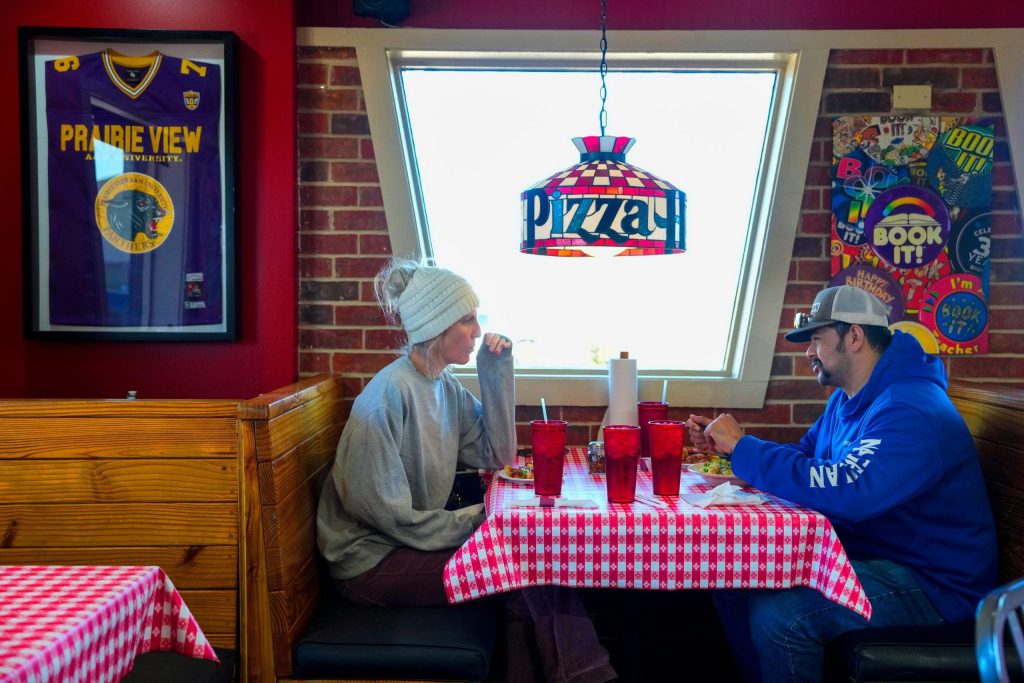
Pizza Hut is taking a step back into the past as 38 of the 93 franchises run by the Kansas-based Daland Corporation have been remodeled into “Pizza Hut Classic” dining rooms, and Tim Sparks is leading the charge to bring back the red cups, checkerboard tables and Tiffany-style lamps that defined the chain. The move taps into the brand’s origins—founded in Kansas by brothers Dan and Frank Carney in 1958—and leans on nostalgia tied to the Book It! program and the old-fashioned salad bars that families remember. Across dozens of locations, these throwback makeovers aim to turn quick takeout trips back into sit-down family nights. The result is a mix of retro styling and modern business sense that’s getting attention online and in restaurants.
Inside a Pizza Hut Classic you’ll see the chips and salsa of memory: red plastic drink cups, stained-glass hanging lamps, checkerboard tabletops and promotional nods to Book It!, the reading incentive launched in 1984. Tim Sparks, president of Daland Corporation, says the brand carries deep cultural nostalgia, and that recognition is part of the plan to coax diners back to booths instead of just drive-through lines. The décor isn’t a gimmick; it’s a deliberate attempt to make lunch and dinner feel like an event again. That warm, familiar tone is what Sparks believes will rebuild foot traffic in dining rooms that had gone quiet.
Brothers Dan and Frank Carney’s origin story still gets a smile: “They named it Pizza Hut, because their sign only had room for eight letters,” a piece of lore the chain keeps alive as it reconnects with its roots. Those origins in Kansas help explain why a Kansas-based operator is leading this revival, but the appeal is hardly local. Pizza Hut now spans more than 16,000 locations in over 100 countries, so the throwback concept taps a broad customer base, not just Midwestern nostalgia.
Sparks has been clear-eyed about the goal: create spaces that invite families to sit and share a meal. “It’s a good time to start having dinner together,” he said, pointing to the value of reclaiming communal mealtime through restaurant design. The classic dining rooms include features many diners grew up with, like salad bars and jukebox-era style touches, which are meant to make the restaurant feel like a destination rather than just a pickup point. For restaurants, that shift can change how customers spend time and money inside the space.
The feedback so far has trended upbeat. Sparks reports bloggers and regular customers who visit Pizza Hut Classic locations are posting photos and videos that attract a lot of attention online, and the warm reactions are helping spread the idea. “Everybody gets super excited,” he said, and added, “There’s a lot of feel-good to it for sure.” Those reactions translate into real-world curiosity: people willing to drive a bit farther or choose a dine-in option because they want to relive a memory or introduce kids to a retro dining vibe.
Online comments picked up the theme of nostalgia quickly. One viewer summed it up plainly: “This is actually making me smile. I have been wanting Pizza Hut to return to its former glory for years.” Others echoed a similar mix of joy and criticism about modern chain design—”It’s amazing that designing your restaurant to be warm and inviting actually encourages people to come eat at your restaurant as opposed to the gray corporate slop designed for high turnover”—a blunt observation that the aesthetics matter. Those voices suggest a larger appetite for places that feel lived-in and communal rather than stripped-down efficiency hubs.
There’s a practical side to the romance: many families who enjoyed Pizza Hut dining rooms in the 1980s and 1990s want to recreate that experience for a new generation. Sparks hopes parents who remember the salad bar and lamps will bring their children to experience the same thing, and a commenter captured that sentiment with a simple promise: “If Pizza Hut goes ahead and does this, I will be a regular visitor.” For operators, that kind of repeat business matters more than any viral clip.
Beyond the décor, the core product remains the same—piping-hot pizza from the oven and menu items familiar to longtime customers—yet presentation changes how people perceive value. Sparks argues that pizza served fresh to a table creates a different experience than boxed, reheated slices, and that atmosphere nudges people to sit longer and enjoy a meal together. Whether the nostalgia line turns into a lasting business model will depend on whether diners keep returning after the first wave of curiosity fades, but the early signs show appetite for a little retro comfort.