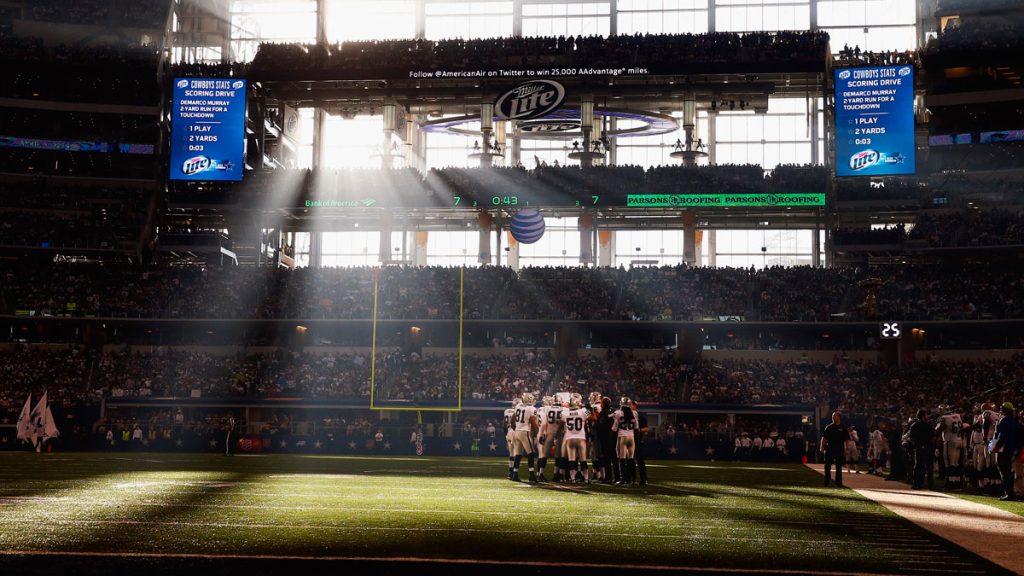
FIFA plans to employ curtains at AT&T Stadium in Arlington, Texas for the June 25 World Cup match between Japan and Sweden, a person familiar with the organization’s thinking told The Dallas Morning News; kickoff is set for 6 p.m., and FIFA will coordinate with the stadium on whether curtains are needed for that game.
The curtain conversation keeps coming back every time a major event lands at AT&T Stadium. Stadium curtains aren’t just cosmetic; they’re a practical fix for lighting, sightlines and broadcast concerns, and they can change how a crowd feels inside a cavernous venue. For fans, the sight of fabric pulled across giant openings can be reassuring or frustrating depending on whether it improves comfort or limits the typical open-stadium vibe.
FIFA’s decision process looks at several boxes: player safety, fan experience, TV camera sightlines and the integrity of competition conditions. For an evening kickoff at 6 p.m., sunlight angles and shadows off the roof can create uneven patches on the pitch that affect visibility. FIFA will weigh those technical issues along with the stadium operations team in Arlington to decide if curtains are the best solution for a match of this profile.
Beyond light management, curtains can influence acoustics and atmosphere. AT&T Stadium is famous for its massive bowl and retractable roof, which can amplify noise when closed and diffuse it when open. Drawing curtains can make the arena feel smaller and louder, which some teams and fans love for generating intensity, while others worry it alters the open-air character that many associate with big soccer events.
Logistics matter too. Installing and removing heavy curtains takes coordination with ground crews, rigging specialists and broadcast teams so schedules for warm-ups, pregame ceremonies and television setups remain intact. Ticket-holders and local businesses in Arlington watch those timelines closely because any changes to access or sightlines can ripple into traffic plans and hospitality arrangements across game day. The ripple effect matters when tens of thousands of fans converge on the area.
There’s also a competitive fairness angle. FIFA tends to avoid any change that could give one team an advantage, so the organization examines how curtains alter conditions from goal to goal or sideline to sideline. Factors like wind patterns inside the closed sections, shifting light as the sun sets and even the bounce of the ball on slightly different turf temperatures are part of the assessment. It’s meticulous, because at the World Cup every detail gets scrutinized.
Broadcast partners are another voice at the table. Television producers want consistent lighting and clean camera backgrounds for global viewers, and curtains can eliminate distracting elements beyond the stadium walls. But broadcasters also value the visual scale of an open stadium. The balance between a tidy shot and a dramatic wide-angle view often influences whether curtains are deployed for prime-time matches.
For local stakeholders in Arlington and the Dallas-Fort Worth area, the curtain question is practical and symbolic. Some hospitality venues plan around whether the stadium presents an open panorama or an enclosed amphitheater, and travel vendors map routes based on expected crowd flows. Meanwhile, fans who’ve paid for particular sections may worry that curtains could obscure sightlines they counted on when choosing a seat.
Historically, tournament organizers have used temporary adaptations in big stadiums to meet TV and competition standards, and AT&T Stadium has been through similar debates before. The fabric itself is engineered for quick rigging, but the final call comes down to a collaboration between FIFA officials, stadium operations and broadcast engineers. That team will likely inspect patterns of light on match day and run tests before making any firm move on the curtains.
No final decision has been announced yet, but the coordination line is clear: FIFA will work with AT&T Stadium staff to determine whether curtains are necessary for the Japan versus Sweden match. Fans planning to attend the June 25 kickoff at 6 p.m. should keep an eye on official communications from the stadium and match organizers for any updates that could affect entry, sightlines or the matchday experience.